


The 1975 album Bob Dylan would do all over again: “That’s the way to do a recording”

Bob Dylan often sounds like he’s making music because he has to.
Whereas some people just have to come up with the mandatory amount of songs needed to fulfil a record contract, the only reason that Dylan still writes music of his calibre today is that he still has something to express whenever he sits down with a notebook and his guitar.
But compared to all of Dylan’s other works, The Basement Tapes is by far one of the most ramshackle recordings that he had ever put together. Sure, there had been more abrasive listens on Self Portrait when Dylan moved completely out of his wheelhouse, but when listening to this album, it’s easy to hear him taking cues from The Band and using every song as an excuse to just have some fun in his home.
Then again, maybe that’s exactly what Dylan needed. Since his intentional sabotage didn’t do anything to sway people’s opinions of his iconic status, a lot of The Basement Tapes spent time lying on the shelf while he worked on songs for country albums like Nashville Skyline like ‘Lay Lady Lady’.
When he did decide to revisit them, we got a massive double record that took everything Dylan was known for and made it a lot more human. While not to the extent of something like John Lennon’s Plastic Ono Band, fans are still Dylan for all his little imperfections, complete with a tracklist that reads like a group of people just calling out tunes on a whim in a practice space.

That sense of looseness is exactly what gives The Basement Tapes its charm. Rather than aiming for polish or perfection, the recordings feel like a snapshot of a moment, where ideas are allowed to breathe and mistakes are left in if they add to the atmosphere. It’s a far cry from the carefully constructed image Dylan had cultivated up to that point, revealing a side of him that was far less concerned with legacy and far more interested in simply enjoying the act of making music.
In doing so, Dylan strips away much of the mythology that had built up around him. Instead of the untouchable voice of a generation, he becomes just another musician in the room, bouncing off those around him and letting the songs take shape organically. That shift in perspective doesn’t diminish his stature; in many ways, it enhances it because it shows that even at his most revered, Dylan still found value in keeping things grounded and real.
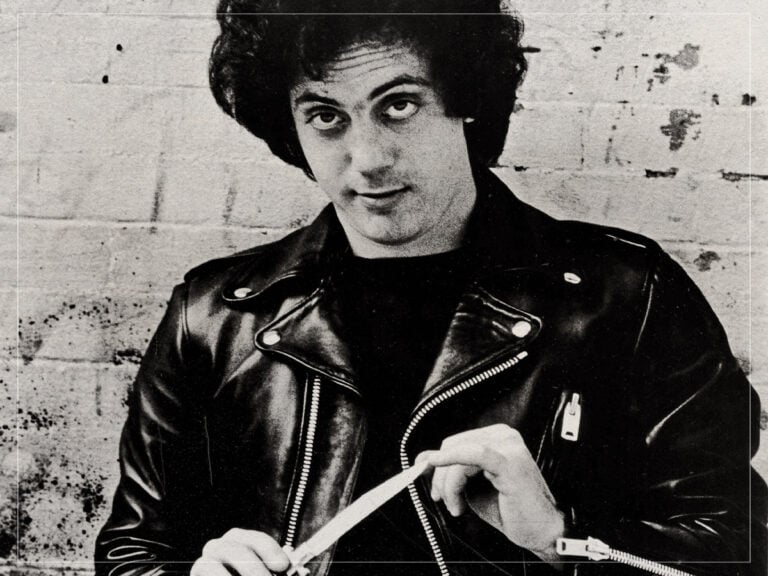

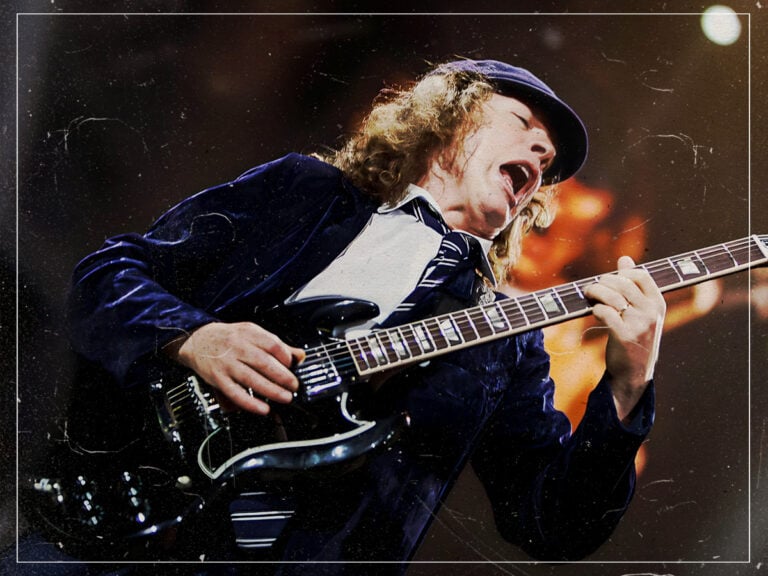
Despite not being the most successful album he ever made, Dylan thought it was one of the most enjoyable experiences he ever had in the studio, telling Rolling Stone, “They weren’t demos for myself. They were demos of the songs. They were just fun to do. That’s all. Fact, I’d do it all again. That’s really the way to do a recording in a peaceful, relaxed setting in somebody’s basement. With the windows open…and a dog lying on the floor.”
Even though Dylan has promised for a long time that we will never see the man behind all of those classic tunes, the man who turns up on The Basement Tapes might be one of the most authentic characters that he has ever played. Compared to musicians who hide like actors behind their songs, Dylan feels like he’s in his natural habitat across every song, just being happy to be part of a group rather than the almighty icon that everyone labelled him as.
Then again, the fact that the album stayed on the shelf until he released Blood on the Tracks is actually pretty telling about what Dylan was aiming for. He had shown the world the darker side of his personality amid his divorce, and this was his chance to present himself as a human who could still have fun every once in a while.
For all of the imperfections, that never stopped Dylan from being seen as an idol. He would still be the voice of the people for the rest of his days, but at least it took this album for fans to realise that he was still a person underneath it all.

Never Miss A Tale
The Far Out Bob Dylan Newsletter
All the latest stories about Bob Dylan from the independent voice of culture.
Straight to your inbox.