


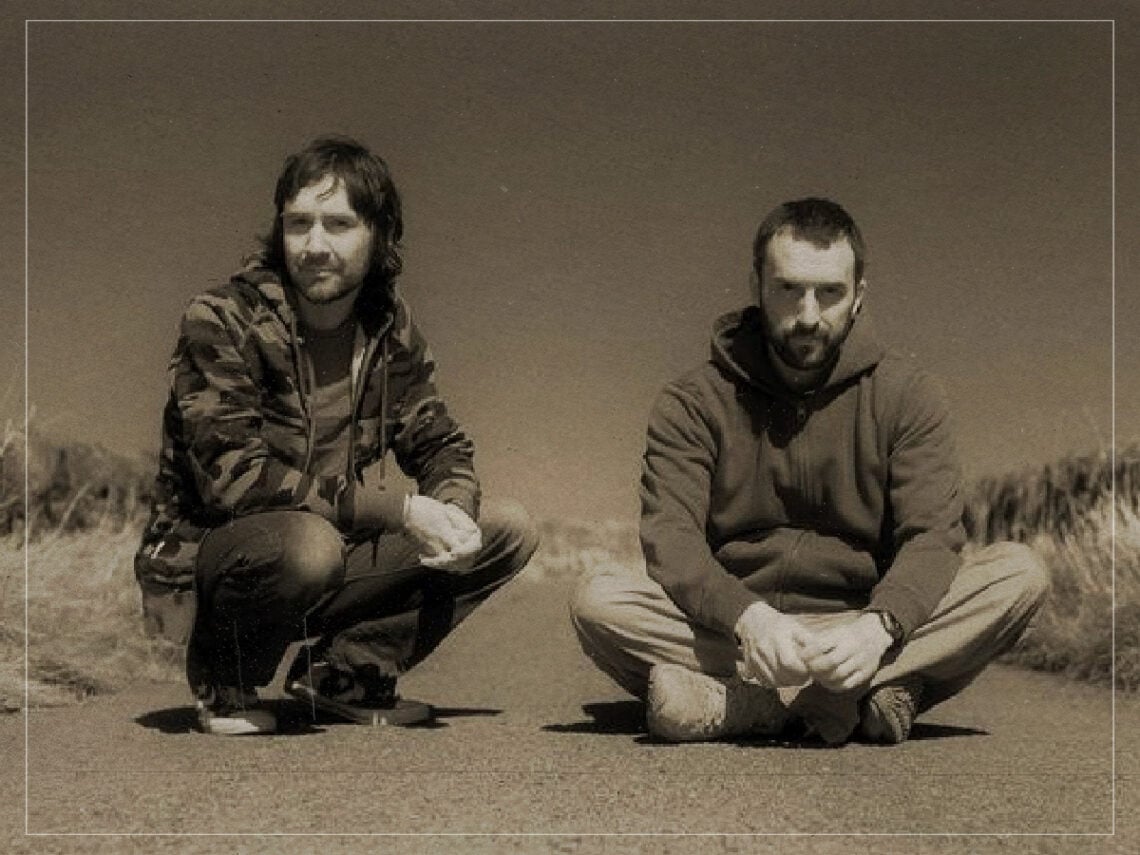
Boards of Canada: the band who exiled themselves from any ‘scene’

A certain level of mystique follows most, if not all, of music’s most lauded acts. Especially in today’s digital age, where the internet yields immediate exposure and the demand to know every facet of an artist’s life becomes overwhelming, privacy warrants intrigue.
In the late 1990s, after experimenting with music making together for over a decade, Mike Sandison and Marcus Eoin took the concept of mystique a step forward, consciously ensuring that their music remained at the forefront of their band, Boards of Canada’s narrative.
For years, the Scottish duo – named for the National Film Board of Canada and their love of cinema – and their reclusiveness became the stuff of legend, as facts about the duo were outweighed by rumours. Far-reaching interpretations of their strange sonic blend of psychedelia and electronica attempted to parse through the noise and understand where the two came from: as NME cites, rumours swirled that Sandison and Eoin belonged to an art collective/cult, recorded in an abandoned nuclear bunker and wove hidden messages into their songs.
It would not be until 2005, nearly 20 years after they began making music together, that they would reveal they were brothers, all along, in an interview with Pitchfork. The mystery surrounding them became a sort of armour, letting the music speak for itself and all conversation of its meaning being left up to interpretation.
While their 1998 debut, Music Has the Right to Children, was an instant success that cemented their signature, creepy ambience, Boards of Canada saw an opportunity for fame and turned the other way. “We’re too busy to give a shit,” Sandison writes to NME (over email, to protect their privacy), before expanding on why, in 2002, he and his brother remained living in the country over a bustling city: “I don’t think it’s easy to be truly independent as an artist at the same time as being part of an urban community,” he posited.
“I’m not saying it’s impossible,” he continued, “but it just doesn’t suit us. Besides, when I’m faced with the choice of hanging out with my friends round a bonfire where we live, or being squashed in a London tube with some suit’s elbow in my face, it’s an easy choice to make.”
Their unique, self-imposed exile saw them locked away in their Pentland Hills studio, south of Edinburgh, for 15-hour days, attached to their drums and synthesisers and only taking breaks to drink coffee or beer. Between 1999 and 2001, Boards of Canada recorded what would become Geogaddi, their second studio album that Sandison describes to Orr as “a record for some sort of trial-by-fire, a claustrophobic, twisting journey that takes you into some pretty dark experiences before you reach the open air again”.
Rather than filling the sonic space with harsh melodies, the 22 tracks that comprise Geogaddi are ambient and relaxed, but threaded by an undercurrent of anxiety, making for a potentially uneasy listening experience. In turn, the brothers composed 66.6 minutes of a slowly building panic that you cannot help but be enraptured by.
“We love the sound of music that seems to be barely under control,” Sandison explained of the evolution of their experimentation on Geogaddi. “We love music that’s out of tune in a beautiful way, or dissonant, or damaged. We tried to make the record work as a giddy, swirling soundtrack… I think most bands get more polished and over-produced as they go along. But one of the ideas with Geogaddi was to go the opposite way.”
Board of Canada’s joint solitude works in tandem with their refusal to be defined and disregard for being understood. The pair make music that perhaps only they can wholly comprehend, and if listeners extract their own meanings in the sounds, then so be it. Literally removing themselves from the music scene that so desperately wants to place them at its epicentre, the brothers continue to live quietly, rarely seen or heard in interviews and releasing music at a moment’s notice, but it is a tactful method that works in their favour.
“We just try to keep ourselves to ourselves,” Eoin surmised to NME. “The music is what is important.”
