


Deciphering the bizarre moment that formed modern Ethiopian music

Mulatu Astatke is currently on a global tour. The father of Ethio-Jazz has had to wait a long time for the world to recognise that his brand of the genre is now the meat of the roast. It is now hailed by all the cool cats like Brian Eno, Kevin Morby, and many more, but far more importantly, it continues to evolve and claim its prominence as currently the most inventive music around.
Astatke’s recent show at the Barbican is proof of this. Resplendent with hipsters, he is treated these days like a musical numen. In some ways, he is just that. As the Talking Heads frontman David Byrne explained on his radio show: “Ethiopian jazz is a sleeping beauty. In the 1960s and early 70s it flowered and was heard in many parts of the world. Then an authoritarian regime called The Derg crushed social life in Ethiopia in 1974.”
Thankfully, Astatke’s unique presence on the world stage is proof that it is flourishing. “In 1991, after 17 years of silence – democracy and music returned to Ethiopia. In 1997, a French music producer began collecting, recording and releasing this music in a series of records called Ethiopiques,” Byrne concludes, leading us to the modern LP that brought much of the music to the masses, but where did this unique blessing come from?
Well, while Astatke’s experiments of blending traditional pentatonic scales and the English music he picked up on while studying to be an aeronautical engineer has a large hand to play, as he channelled this into the definitive debut, Ethio-Jazz, the genre far from begins and ends with him. In fact, a bizarre moment in Ethiopian history helped to get the ball rolling long before that.
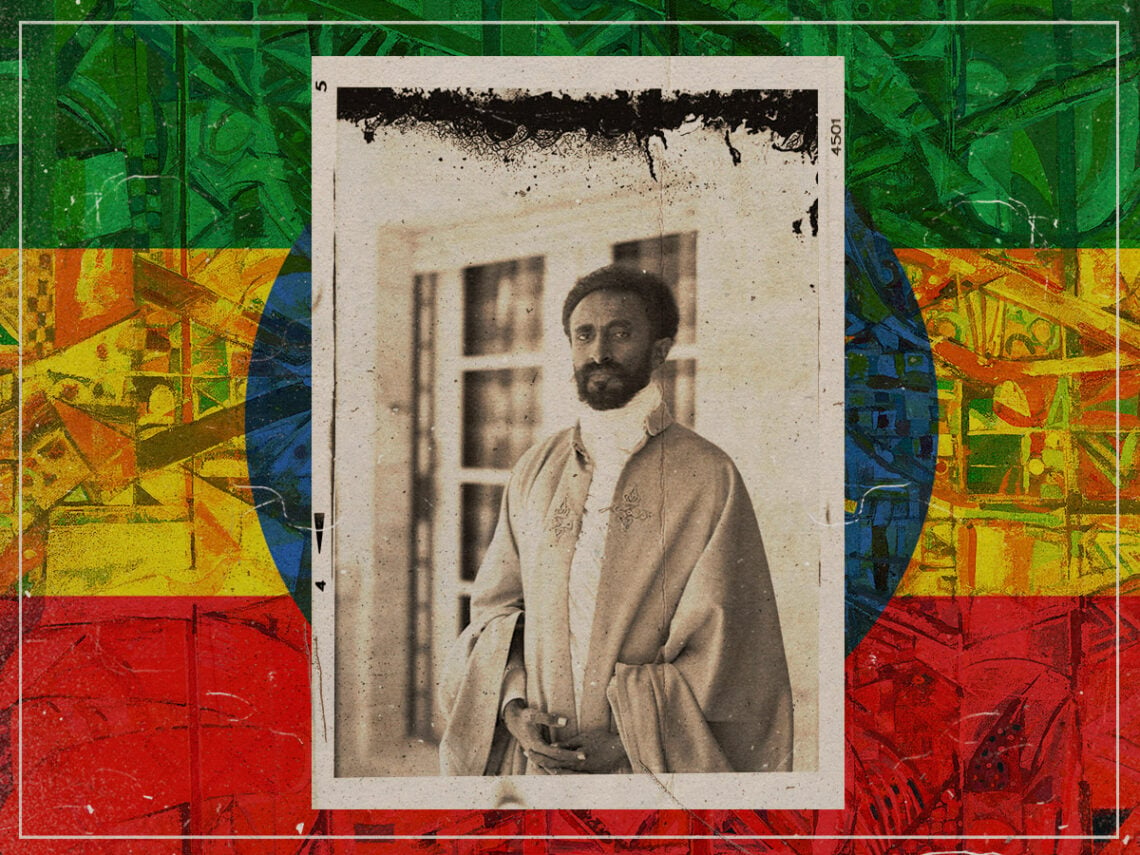
Originally, the vast expanses of Ethiopia that the native ranchers often had to travel through wearily meant that the resultant folk songs from the region were ballads filled with longing and Wichita Lineman-like reverie, delicate, crooned homebound thoughts. However, this all changed when, in 1936, the emperor, Haile Selassie, travelled abroad as the country’s regent while exiled by the occupying Italy from his homeland.
On his travels, he encountered a marching band of 40 boys in St. James Cathedral in Jerusalem, all of them orphans of the Armenian genocide. He was overcome by their emotive brilliance. He identified with them. Their chanted longing, indeed, bore similarities to the music of his home, but the melodic sensibilities and instrumentation were entirely different.
He requested that they return with him to Ethiopia, where he would give them shelter, work and payment. This was agreed upon, and soon, when the British battled the Axis forces and returned Ethiopia to the Ethiopians along with their emperor, their musical influence spread in Ethiopia, welcoming brass and tonality to the sound of the region. Suddenly, Ethiopia became the world’s musical sponge, welcoming sounds from all over the world in a cultural revolution that resulted in some of the most unique, flowing music ever.
Thus, blending music with a decidedly different grammar was already in Astatke’s blood before he beautifully put it into practice in 1971, thanks to a profound moment in history and the spiritual poignancy that embracing a wide array of influences represents for Ethiopian people.
