


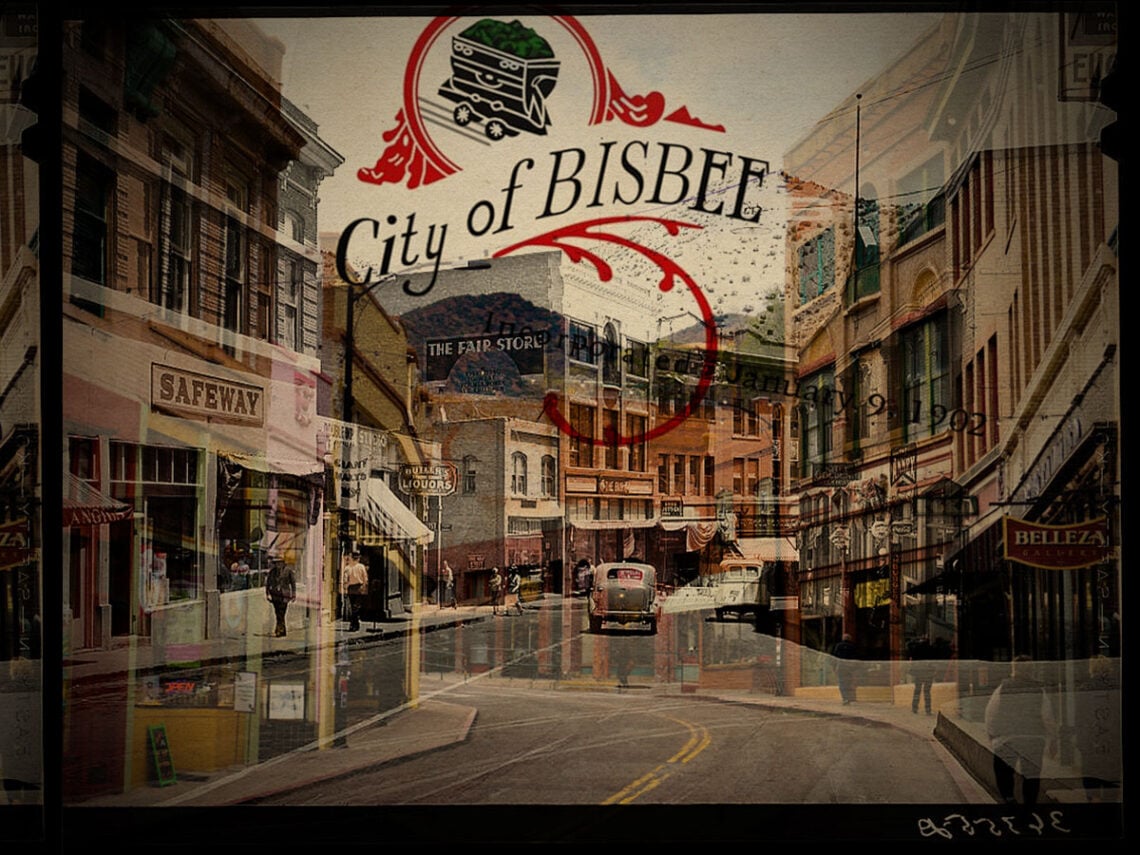
Bisbee: America’s last remaining counterculture town?

Once the coolest, most culturally important nation on the planet, it suddenly feels anything but, so when did America lose its cool?
The country that gave us Bob Dylan and NWA, clothed us in Levi’s, Ralph Lauren and Supreme, made us read Allen Ginsberg, Kurt Vonnegut and Ernest Hemingway and sold us the dream of driving a Mustang or a Corvette, has been replaced by a Cybertruck-driving, Joe Rogan-listening, Monster-guzzling nation, with a Starbucks on every corner.
With the world getting smaller and being able to explore the planet through our phones, we were always going to see a cultural hegemony appear, but it felt like America, the country that had influenced the world, might be able to avoid it. However, not all is lost, and in the far southeast corner of Arizona, tucked into the Mule Mountains, sits Bisbee, a former copper-mining town that has resisted the ever-creeping advances of our monotonous global culture, and is America’s last remaining bastion of counterculture.
In many ways, it was always going to be Bisbee. After all, this is a town on the very outskirts of the USA, being, quite literarily miles from the Mexican border. It’s isolated, stuck between barren desert and mountainous peaks, and unlike those other boomtowns in the American West, it hasn’t become a plaything for millionaires or a ghost town.
While the surrounding cities and towns are lined with chain stores, gated communities, modern housing developments and corporate architecture, Bisbee is different. In part, it’s a Red Dead Redemption town with Wild West-style saloons, intersecting with bikers, artists and a large LGBTQ+ community.
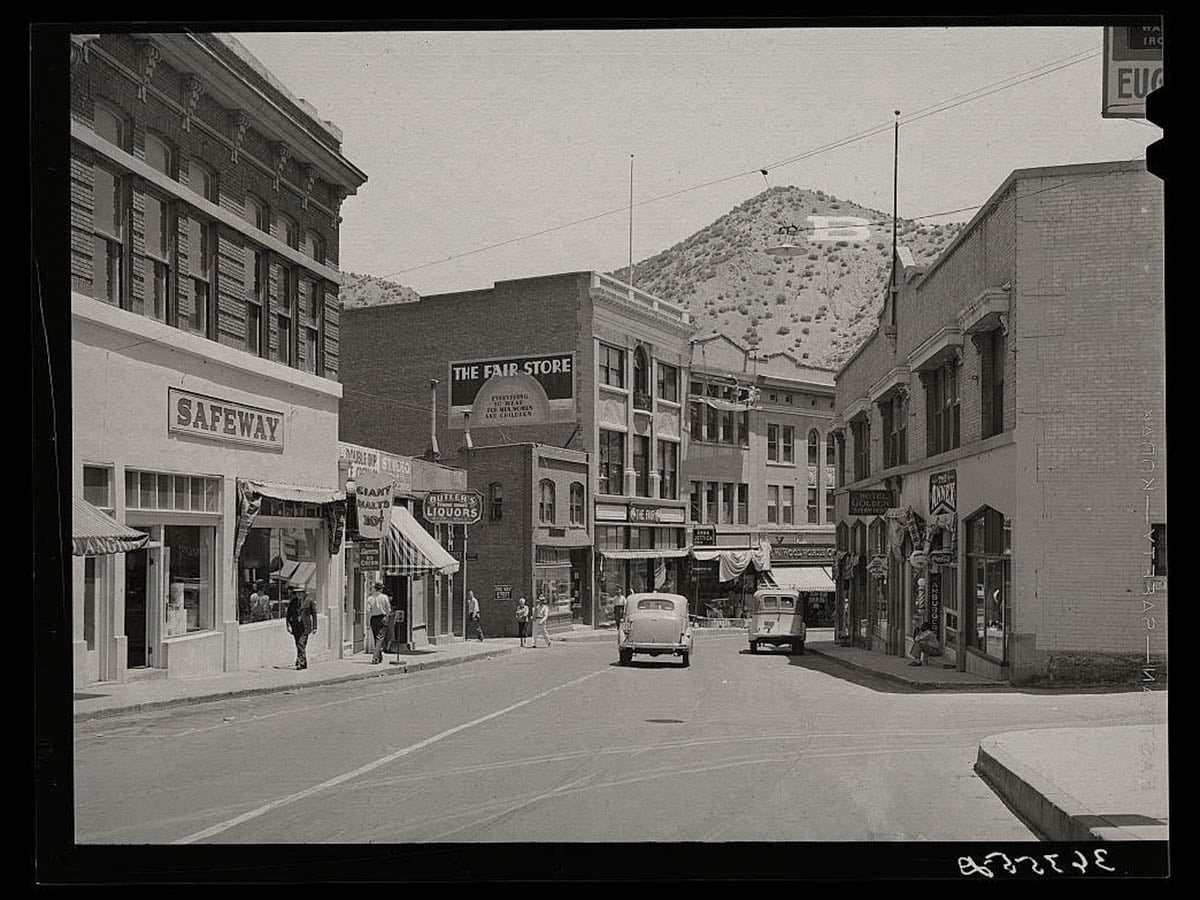
The town of Bisbee first popped up on maps in 1880 and became one of the United States’ richest mining towns. The discovery of copper brought thousands of miners to the town chasing riches, with the spoils of their work going to electrify the nation. Then, after the highs of the 1920s came the decline, and it wasn’t kind to Bisbee or the surrounding towns and cities of the American West.
The population dropped 60% from 1920 to 1950, and today’s total of 4,923 is still roughly half of what it was in its heyday. Unlike other industrial cities around the country, it didn’t collapse; in fact, those cheap rents attracted outsiders.
First came the artists, as they always do, creating a fun, vibrant city that had only begun to attract more people. Then it was the hippies, the drifters, the musicians, writers and bikers. Bisbee became a town offering refuge to those who didn’t fit elsewhere, whether that was the punks or the Vietnam veterans who left the country to do their duty and came back vilified.
Bisbee wasn’t alone in this, and places like San Francisco and Portland also thrived. However, as we see so often, when cheap rents bring in artists, it’s usually the first step towards gentrification. While other places became pricier, more corporate and sanitised, somehow Bisbee didn’t; it’s still odd, it’s still quirky, and it’s still very much a counterculture town.
We’ve seen alternative culture become an aesthetic, both in America and further afield, but that isn’t Bisbee, which is still very much rough and ready. While the rest of the country is speeding up, with around-the-clock opening hours, this place is very much on its own time, with businesses shutting up shop early and an indifference to the ideologies of expansionism and growth over everything that have taken hold elsewhere. While other towns market themselves as alternative and artistic for investment, the opposite is true of Bisbee, in which it’s a way of life that benefits the people living there, not any prospective visitors.
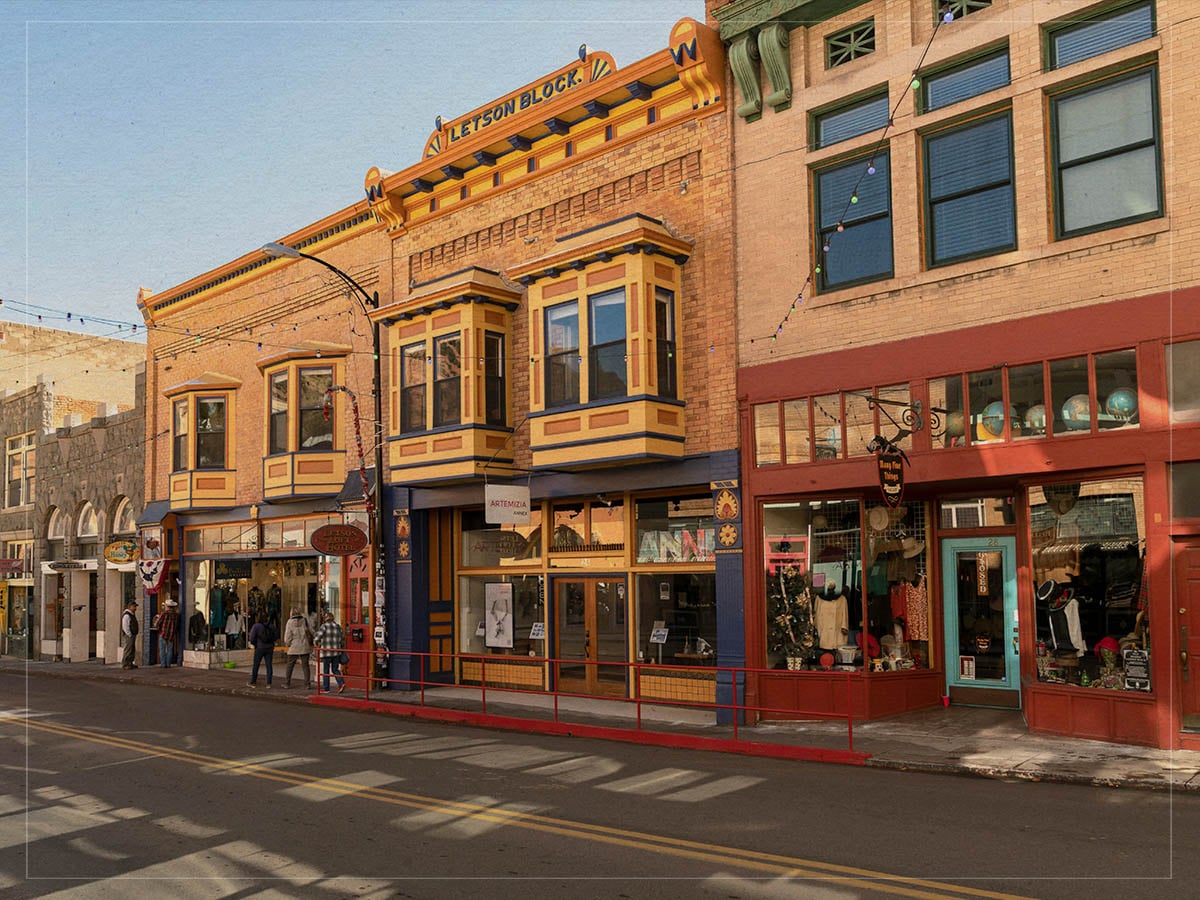
It certainly doesn’t look like so many of the neighbouring cities, with that clean, modern identikit look that has become common over America. Houses are licked with faded paint, murals are splashed across walls, and neon bar signs light up the sky once the sun has gone down. It isn’t to say that modern life hasn’t come to Bisbee, it’s just arrived very slowly, and has been treated with suspicion by the local community.
This is a place that has resisted homogenisation, where being a punk matters and isn’t just a way for a brewery to sell you beer. There are glimpses of the past, from century-old buildings built in the town’s early years, but also glimpses of youth and energy, with creatives in their 20s painting and filming there.
Tourism has begun to rise in the region, as have prices, leaving many long-time residents concerned that the town could slowly follow the path that many others have and become a destination, a gentrified relic of what it was, but there is resistance, and Bisbee is fighting it every step of the way. This is America’s last counterculture town, a place for the artists, rebels, outsiders and down-and-outs, and is a rare pocket of non-conformity in an ever-most uniform country.
