


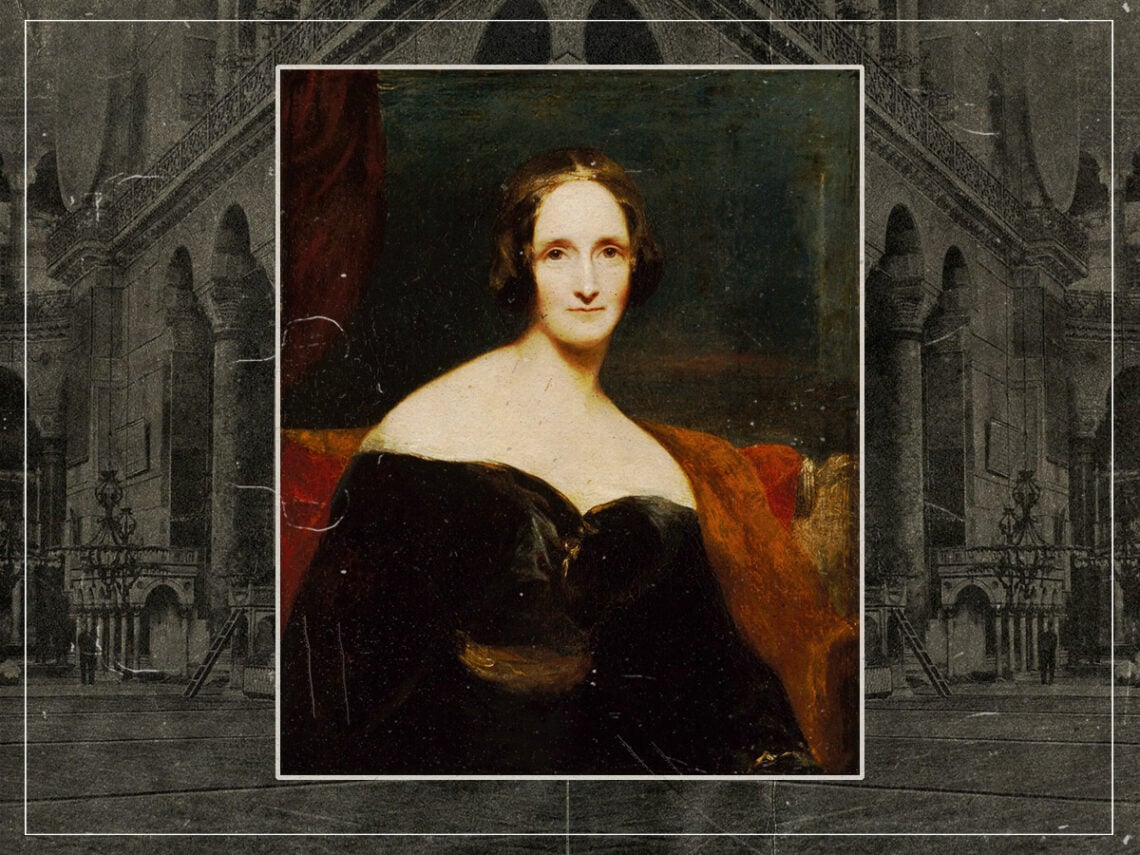
Beauty and tragedy in the Eternal City: Mary Shelley’s turbulent years in Rome

Visitors to the Eternal City frequently depart enchanted, as if they’ve savoured their own intimate taste of mysticism. This beloved Italian gem has embraced countless souls from diverse backgrounds, captivating romantics and solitary wanderers alike. Rome, often hailed as a paragon of beauty, is aptly compared to perfection, as evidenced by the timeless adage proclaiming its architectural marvels weren’t crafted in haste.
In March 1818, Mary and Percy Shelley made the heartfelt decision to transplant themselves to this charming city, driven by a universal desire: the pursuit of serenity. A few months earlier, Mary’s seminal work Frankenstein had been published. At the tender age of 18, she would grapple with both achievement and melancholy, traversing the tumultuous terrain of dark emotions during her sojourn in Rome.
Just as darkness pervaded her gothic novel, Mary’s life was haunted by the death of her children and, on one occasion, almost herself. Mary had four children during her lifetime, and only one of them survived. The rest died tragically during infancy, which fed Mary’s ongoing depression and, of course, her writing. The pair’s time in Italy was marked by a lot of writing, sightseeing and socialising, but the death of their children created a barrier between the couple as Mary battled with unrelenting demons.
“My dearest Mary, wherefore hast thou gone and left me in this dreary world alone?” Percy wrote in his notebook, evidently reaching out to his ghostly wife whose former self had seemingly drifted away. Perhaps she could have been found where her deceased children were, comforting them with the cool winds of absence, the ultimate stage of grief pulling her along as if depression was nothing but the firm, unmoving grasp of the devil’s crooked old fingers.
During this time, her only comfort was writing. The arrival of her fourth child, Percy, would lift her spirits in 1819, allowing her a subtle, temporary respite from the daily perils of ill health. “My heart, which was before sorrowful, now swelled with something like joy,” Mary wrote, her words in Frankenstein reflecting what she must have experienced during this one fleeting moment in time.
Loveliness was all around Mary while she lived in the city, but the ghosts of her past and present would soon catch up, her lost children following her around for the rest of her life. In some ways, Rome was the perfect backdrop to such events, for the city has always held beauty as its defining quality, but somehow insidiousness still pervades the cracks of its Sampietrini cobblestones.
Nonetheless, these years birthed some of Mary’s most defining works of literature. As Percy penned a collection of significant poems, Mary delved into various literary endeavours, crafting the novel Matilda, the historical narrative Valperga and creating the plays Proserpine and Midas. While tragedy followed them wherever they went, Rome provided a rich cultural heritage, with ancient ruins, art galleries, and churches serving as the perfect distraction and ideal home for tragedy and beauty.
Even amid moments of bitterness when Mary attributed the Italian climate to the loss of her children, the pervasive aura of the country stirred her to action. It impelled her to transmute her sorrow into creativity, utilising her anguish as fuel for her writing. Thus, Mary Shelley emerged as a luminary in the realm of literature, her life and career epitomising a narrative rich in tragedy, intricately interwoven with the multifaceted tapestry of Italy’s storied landscapes.
