


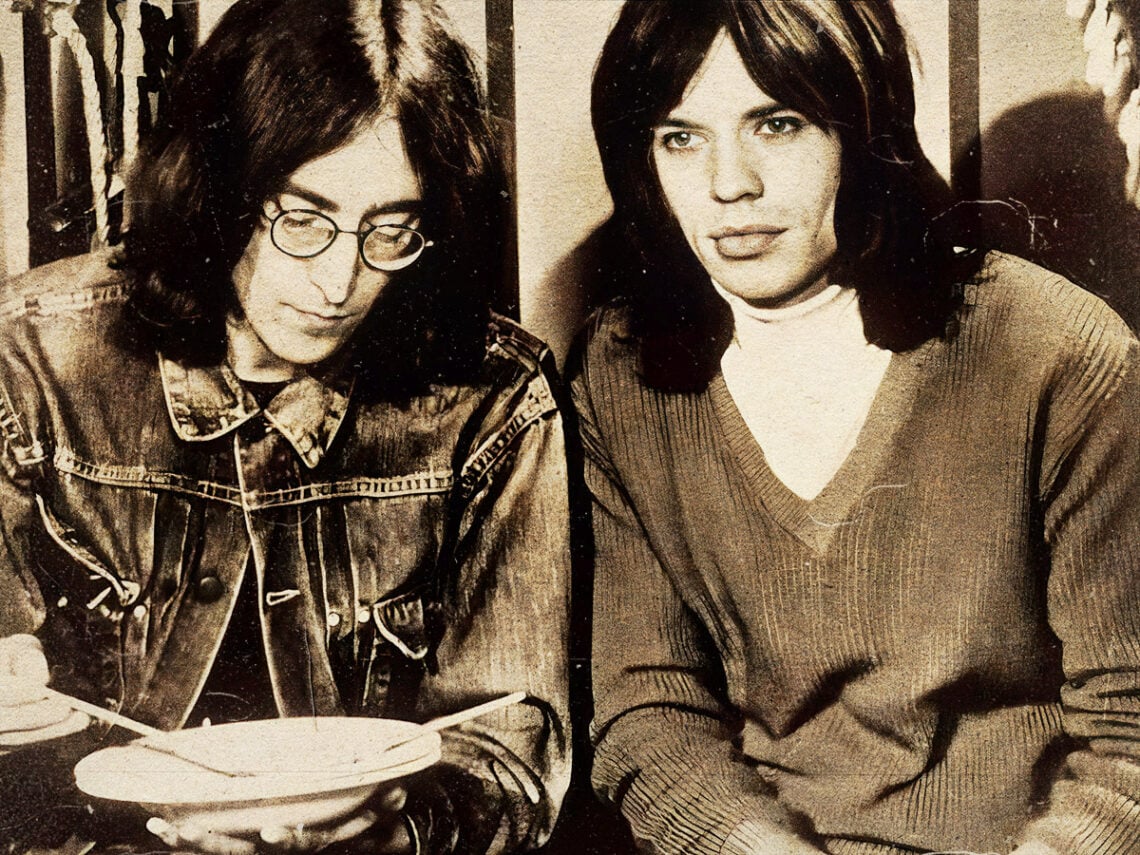
‘Revolution’ versus ‘Street Fighting Man’: How The Beatles and The Rolling Stones reflected the political protest of the 1960s

A period of rich cultural expression and innovation, the 1960s were also a period of protests, political activism, and youth uprising in the United States. As the civil rights movement marched on and protests against the war in Vietnam became more and more widespread, the cultural landscape began to reflect this blossoming world of activism and revolution. Two of the most notable examples of this socially-reflective songwriting came from two of the decade’s defining artists, The Beatles and The Rolling Stones.
Back in 1964, both groups visited the United States for the very first time, with The Beatles touching down in February, and the Stones following a few months later in June. This transatlantic trip proved to be pivotal in the development of both groups, as they each found a wealth of inspiration in the music, culture, and spirit of America. The Beatles immersed themselves in the sounds of Motown soul, and The Rolling Stones began performing covers of American blues and R&B anthems. Before too long, though, the British bands started to take on the influence of America’s growing protest movement.
After all, the protest movement was becoming increasingly difficult to ignore as the 1960s marched on. Both groups were heavily influenced by the Black American artists who were having to fight tooth and nail to be treated like human beings, and both immersed themselves in the LSD-infused hippie counterculture, which held anti-war protests as a core value. Inevitably, these influences began to manifest themselves within the musical output of the trailblazing bands, but they had very different takes on the political uprisings in America.
August 1968 arguably marked the peak of the anti-war movement, as a demonstration at the Democratic National Convention descended into riots lasting several days, spurred on by the authoritarian actions of the Chicago Police Department and the Illinois National Guard. That same month, both The Beatles and The Rolling Stones unleashed their own political anthems, in the form of ‘Revolution’ and ‘Street Fighting Man’.
We’ll start with ‘Revolution’, as it was released a week prior to the Stones’ effort. Penned by John Lennon in response to the political protests and riots of early 1968, the song sees Lennon denounce the direct action of left-wing activists and protestors, although he sympathised with a desire to change the world for the better.
“When you talk about destruction, don’t you know that you can count me out,” sang Lennon, criticising those activists who were out in the streets fighting for a better future. Inevitably, when the song was released with the backdrop of the Chicago protests, left-wing activists and counterculture figures viewed Lennon’s take on the uprising as an absolute betrayal. Here was a songwriter who was supposed to speak for them, and he was seemingly siding with authority, rather than supporting direct action.
The Rolling Stones provided the antidote to this betrayal, releasing their seminal single ‘Street Fighting Man’ mere days after the Chicago protests made headline news across the globe. “The time is right for a palace revolution, but where I live, the game to play is compromise solution,” bellowed Mick Jagger, with some of the greatest lyrics he ever wrote. In contrast to The Beatles, Jagger and the gang appeared to voice their support for protestors, highlighting the necessity of their actions and supporting their hands-on approach to changing the world.
With ‘Street Fighting Man’, The Rolling Stones reaffirmed their reputation as subversive and rebellious rock pioneers, but it also firmly aligned themselves with the counterculture movement, something which would only continue with era-defining records like ‘Sympathy for the Devil’, released two months later.
Although Lennon later pivoted from ‘Revolution’, calling for a Marxist uprising on ‘Power to the People’ in 1971, it was too little, too late. As far as those protestors in Chicago were concerned, the songwriter had sold them down the river, while the Stones were on the frontlines with them.

Never Miss A Beat
The Far Out Beatles Newsletter
All the latest stories about The Beatles from the independent voice of culture.
Straight to your inbox.