


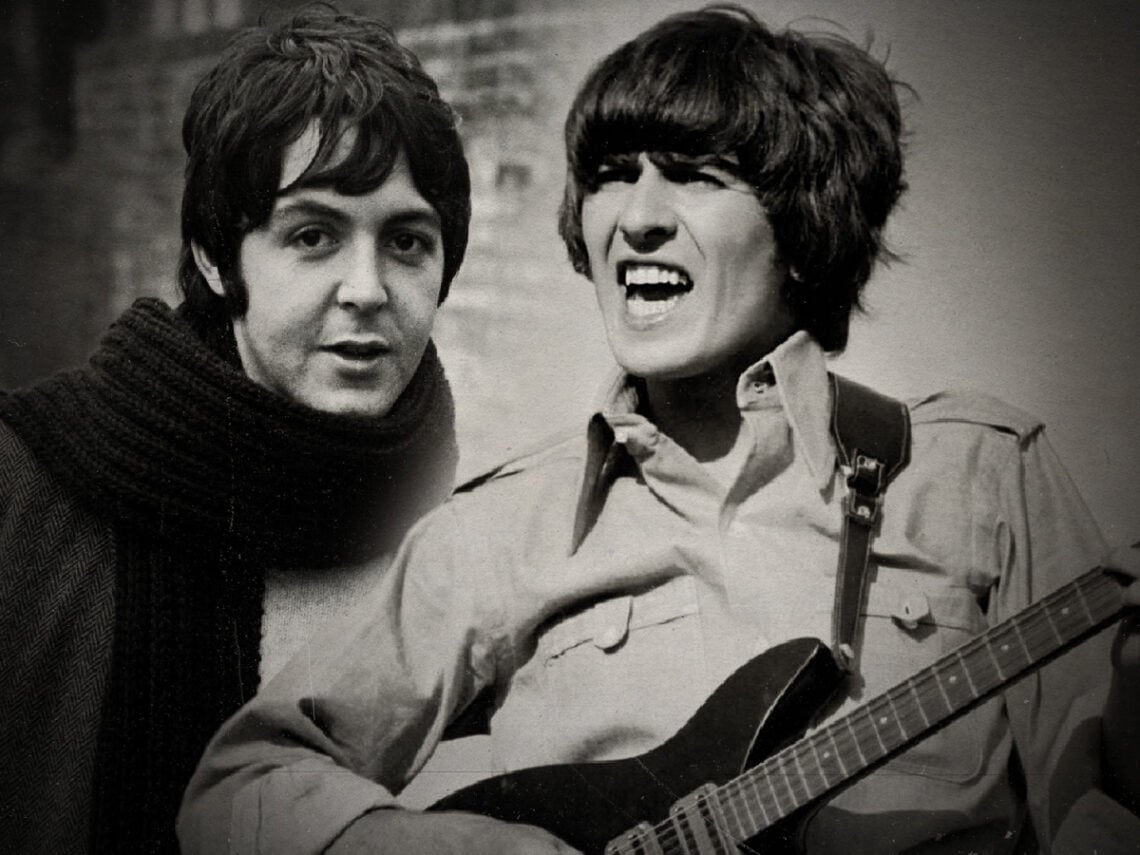
The Beatles album that saw Paul McCartney accuse George Harrison of underperforming

Being in a band might conjure up images of musical camaraderie, but in reality, the insurmountable pressure of the music industry quickly takes its toll. Even The Beatles – the biggest band the world has ever seen – didn’t last overly long before succumbing to rising tensions and accusatory finger-pointing.
Admittedly, it is easy to understand and – to an extent – excuse the ever-rising tensions within The Beatles. After all, the band had largely been together since their teenage years as the Quarrymen, and had rarely a moment away from each other during their rise from Hamburg club favourites to global megastars, mobbed everywhere from Teesside to Tokyo.
Even when they retired from touring in 1966, the stress of Beatlemania was merely replaced by the stress of placing four musical minds in the same small studio.
Typically, the rising tensions of The Beatles and their ultimate demise are centred around the Get Back sessions. Those famously tumultuous sessions did, after all, see George Harrison temporarily leave the band in the midst of constant arguments and an increasingly unavoidable fatigue with the music industry itself. Ultimately, though, the cracks within the band formed long before the recording process for that 1970 album.
According to Paul McCartney, in fact, Harrison’s sudden (though, albeit, short-lived) departure in 1969 was predicted years prior, during the production of the band’s LSD-infused magnum opus, Sgt Pepper’s Lonely Hearts Club Band. The guitarist’s contributions to the band often went underrated by McCartney and Lennon, but, seemingly, the issue with his role in Sgt Pepper’s was simply that he didn’t seem overly interested.
“During the making of the White Album, things started to get a little bit edgy,” McCartney once shared of the band’s fracturing relationship during a 1990 interview. “In fact, during the making of Sgt Pepper, George hadn’t showed for most of the album, which was unusual.”
On one hand, that fact shouldn’t be all that surprising, given that Harrison had expressed a desire to leave the band completely earlier in 1967, only deciding to stay once they had sworn off touring completely. “He normally showed for recording sessions,” McCartney affirmed, nevertheless. “George hadn’t been too interested in making that album, I think he was building a swimming pool.”
Conversely, Harrison’s influence is all over Sgt. Pepper’s, so the idea that he apparently wasn’t interested in it seems bizarre – or, at the least, an over-exaggeration. Without the aid of the guitarist, for instance, the album surely wouldn’t feature the wealth of Indian and Eastern instrumentation that helped to bolster its psychedelic spirit.
Either way, those early tensions on Sgt Pepper’s were only expanded upon as The Beatles’ discography marched on, with small cracks in the band members’ relationships becoming vast, untraversable chasms that eventually spelt the end of the world’s biggest band in 1970.

Never Miss A Beat
The Far Out Beatles Newsletter
All the latest stories about The Beatles from the independent voice of culture.
Straight to your inbox.