


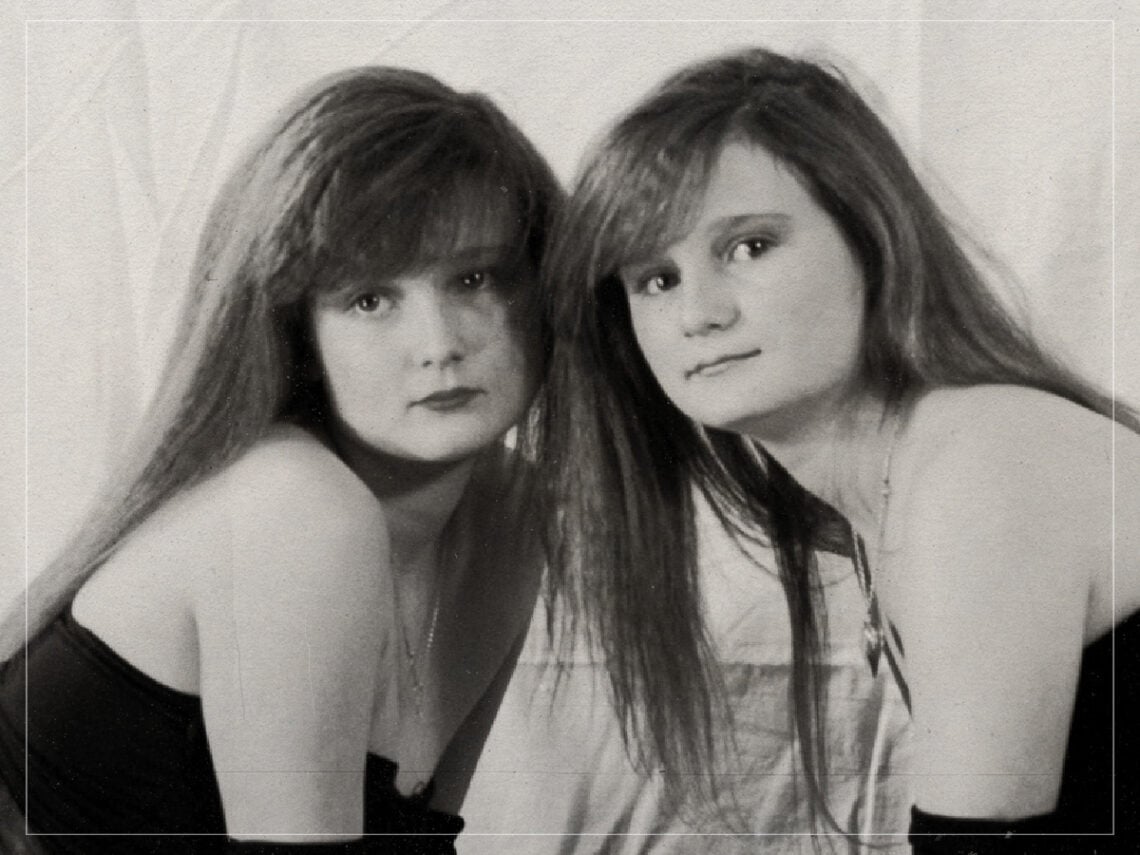
From Nursery to Misery: Basildon’s other great synth-pop group

It took nearly three decades, but the unremarkable Essex town of Basildon counted another synthpop gem in its electronic alumni with the rediscovered work of cult trio From Nursery to Misery.
There’s no question who placed Basildon on the musical map. Standing as the entire Essex county’s biggest-selling artist, Depeche Mode’s surge from high-school disco popsters to giants of the alternative 1980s saw the synth pioneers sell as many as 100 million records and become a stadium-selling force to this day. With former member Vince Clarke forming Yazoo with fellow Basildonian Alison Moyet to chart success, for a long time, the little London commuter town was musically defined by the early Mute Records connection.
Yet, as Depeche Mode was dominating America with Music for the Masses and its mammoth tour, a trio of underground artists began cutting a string of DIY, lo-fi tapes under the moniker of From Nursery to Misery. Formed in 1987, keyboard player and producer Lee Stevens invited identical twins and schoolmates Gina and Tina Fear over to his parents’ house to cut their own brand of primitive electronic music. A largely bedroom affair armed with a rudimentary keyboard, simple drum machine and a basic four-track, the Fear twins began to lend their vocals and lyrics to Stevens’ bank of experimental backing tracks.
What resulted was a wholly original sound that veered between dreampop wanderings, chilly minimal synth, audio collages, and the occasional industrial rumble, all caked in a lo-fi hiss due to the unpolished setup. Such mosaic flavours are held together by the Fears’ unique songcraft. A strange, wavering balance of amateur naivety and effortless arrest percolates among the sisters’ lyrical musings on weighty subject matter, be it sexual violence, Man’s capacity for evil, or the callous indifference to the plight of animals and the natural world.
Throughout their recordings, a prickle of unnerving drama pulses with eerie disquiet. Furthered by Stevens’ intimate urgency to his backing scores, the Fear sisters’ vocals speak their anxieties and cool view of humanity with beguiling dispassion, an unfiltered and flagrant diary confessional rendered all the more stark by its seeming lack of self-awareness. Added with their childlike presentation, From Nursery to Misery’s dark warnings tap into an uneasy, arcane energy, bottling the menace that lurks in old Grimms’ Fairy Tales or old cautionary folklore.
Despite never penetrating the mainstream or even garnering much attention in the electronic underground, From Nursery to Misery won many disparate fans in the Mail Art community, often including contact details inserts in their tapes to receive messages from supporters. While only ever playing four live shows before parting ways in 1991, plus the trio’s live appearance with The Demolition Company at Basildon’s The Roundacre Youth Club, the three managed to count as many as 22 compilation features around their self-released The Oak Tree and Equilibrium full-length cassettes and Art is the Tool split with Nostalgie Eternelle.
Years passed before From Nursery to Misery’s legacy was reappraised, the Fears moving together in a wooded area near Wales’ Swansea city and continuing to eke out a living as artists and remaining tightly bonded as each other’s companions. It took a 2016 documentary short from Essex filmmaker Matthew Reed on the Fear sisters’ lives to trigger renewed interest, prompting the ever-reliable Dark Entries Records to finally dust off their old tapes and reissue the bulk of From Nursery to Misery’s work for 2017’s Pixies In The Woods and Tree Spirits four years later.
A second life in the synthpop world, and adding their own creative stamp on Basildon’s electronic heritage, is a turn of events the former From Nursery to Misery singers seem to welcome, albeit expressing some alarm at the dark nature of their work nearly 40 years later.
“I like the idea of being rediscovered,” Tina told The Fader around the time of the documentary, concluding, “Although I think I should have written more positive lyrics in the band. I was young at the time and wasn’t impressed with the human race: how capitalism treats people, the planet and animals. I just found the negative facts of life so depressing and worrying.”
