


‘Basic Black’: the pioneering 1960s fashion film led by experimental jazz

Who doesn’t love watching a movie where every single costume is designed and worn to absolute perfection? Glamorous ball gowns, quirky 1960s dresses or bizarre costumes make for compelling viewing, adding to the visual experience by centring sequins, glitter, gorgeous silks, bright colours and interesting patterns. From the iconic black dress and jewels worn by Audrey Hepburn in Breakfast at Tiffany’s to the iconic outfits worn in Clueless and the ‘50s-style dresses of Phantom Thread, there are plenty of movies boasting unforgettable pieces of clothing.
However, a lesser-known genre of cinema is the fashion film, which focuses solely on depicting clothing. Rather than simply advertising the latest pieces from a specific fashion house or designer, fashion films typically blend experimental filmmaking to emphasise the artistry that goes into making clothing. As we know, fashion is a form of art and expression, and for centuries, the things we wear have reflected different kinds of people, cultures, world events, and social attitudes.
Thus, fashion films are designed to capture the spirit of the clothing being shown, proving that clothing can be wearable art with a life of its own. Look at designers like Alexander McQueen, who revolutionised fashion with his innovative concepts, such as using a robotic paint spray to decorate dresses in front of an audience or getting his models to stand within a ring of fire. His politically charged pieces of work liberated fashion, and his unforgettable catwalk shows surely took inspiration from experimental cinema and art.
You cannot separate fashion from art, so it makes sense that fashion films exist, whether they appear as short narrative-driven films or more experimental shorts. Karl Lagerfeld favoured the former with his short movies like Reincarnation, The Tale of a Fairy and Once Upon A Time…, made in conjunction with certain Chanel collections.
Fashion films have evolved drastically over the years, with many famous directors, from Sofia Coppola to Wes Anderson, teaming up with fashion brands to create shorts. Yet, it all began in the ‘60s when Peggy Moffitt starred in Basic Black. The model was one of the decade’s most recognisable faces, known for her black bowl cut and intense eye makeup. She was the first to model the daring monokini – a swimsuit that completely exposed the wearer’s breasts – and she even featured in the iconic swinging ’60s film Blow-Up.
Married to a photographer named William Claxton, the pair teamed up for Basic Black, with Moffitt in front of the camera and Claxton behind it. They were inspired by experimental cinema and free jazz, and the short film features the model (and a few others) sporting different outfits that encapsulate entirely the innovative and fun essence of ‘60s fashion.
As skirts got shorter and prints got bolder, the desire to show these playful outfits off became even stronger. Music and art were becoming more daring and expressive, psychedelia was a dominant sound and style, and the younger generation were revelling in sexual liberation and more relaxed attitudes. This is all reflected in Basic Black.
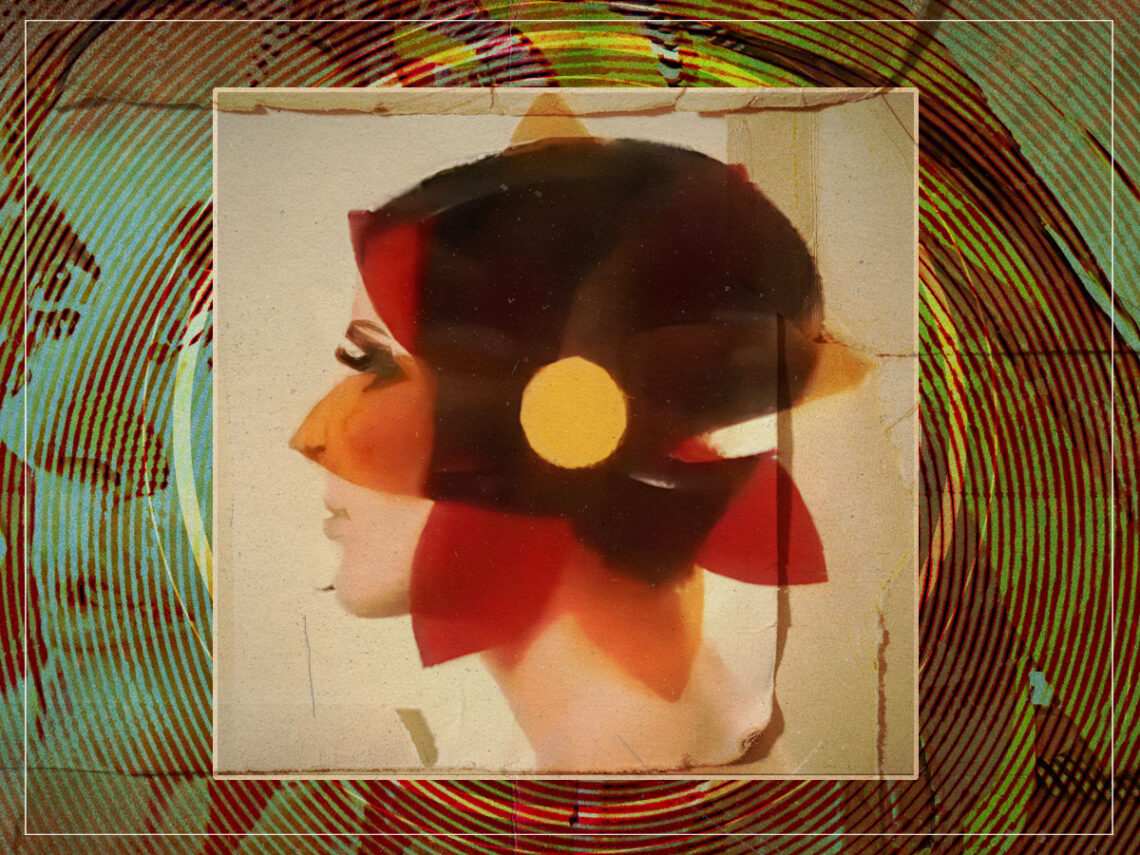
The film begins with Moffitt walking into an all-white room cloaked in black before close-ups of bright patterned outfits are shown. We then see Moffitt dancing in her block-coloured tights and sleek black bob before Claxton experiments with various kinds of imagery, such as placing coloured shapes over Moffitt’s naked body and zooming in and out, or filming her in different animal-printed one-pieces, emerging from the darkness.
PVC outfits, feathers, bright contrasting colours, intricate headdresses and floaty materials create fascinating visuals, with images of Moffitt in different outfits melting onto each other before she returns at the end, clad in black.
It feels like a celebration of fashion as art, as a tool for female liberation and expression, championing the fun and experimentalism that fashion aims to promote. Soundtracked by an array of jazz pieces, some more bizarre than others, Basic Black will transport you straight to the ‘60s and make you wish for a modern-day resurgence of such unique and bold styles.
