


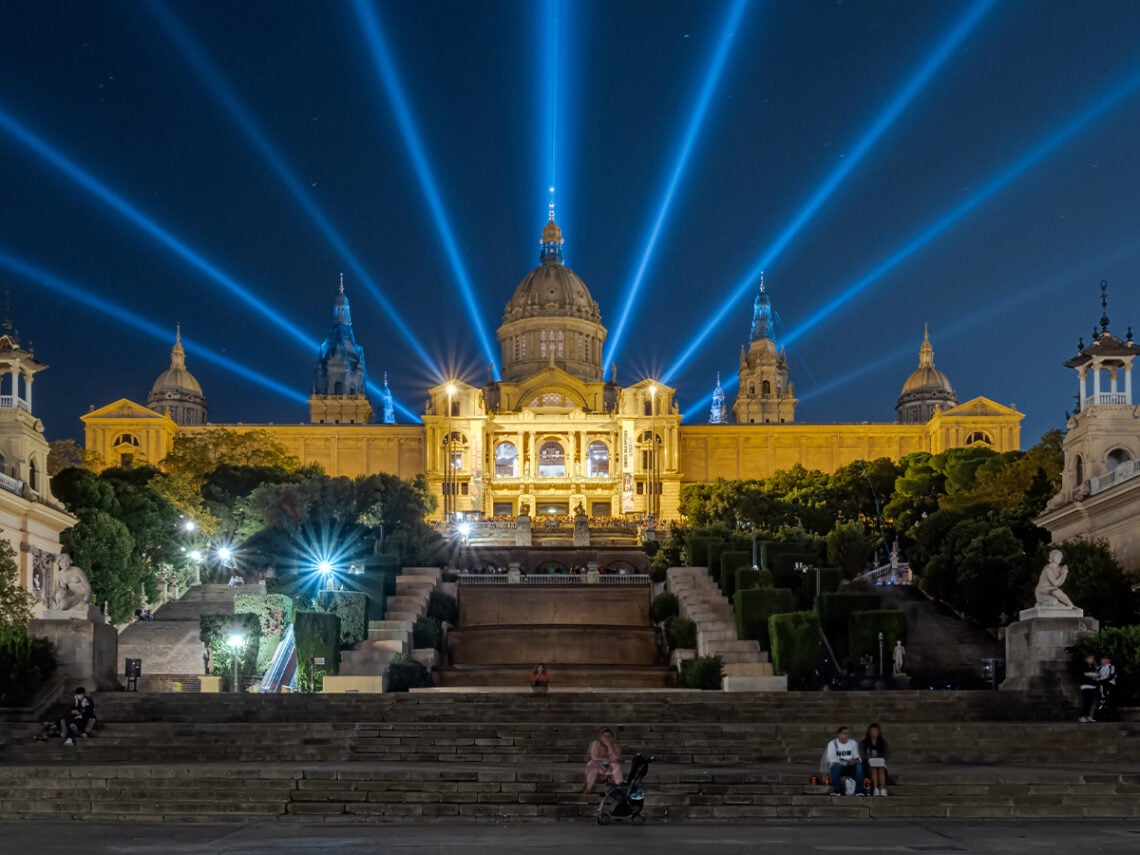
Barcelona museum fighting the system by refusing to return Sijena murals to original monastery

A museum in Barcelona is fighting the system and a Supreme Court ruling by refusing to return the famed Sijena murals to their original monastery.
The murals, known as the “Sistine Chapel of Romanesque art”, have been housed at the Museu Nacional d’Art de Catalunya (MNAC) in the city since 1961, but a legal debate has prompted the order from the Spanish Supreme Court that they be returned to their original site of the Royal Monastery of Sijena in Aragón.
The 12th century murals, depicting various Bible scenes including the creation of Adam and Eve, are considered a pillarstone of the country’s artistic history, but were badly damaged during the Spanish Civil War.
They were subsequently sent to MNAC, where they have remained ever since. Per The Art Newspaper, a legal dispute in May last year led to the museum being ordered to return the murals to Aragón, but they have so far refused to, saying that the condition of the works needed to be evaluated before removal.
However, further controversy was sparked when the museum decided to hold a concert by Spanish singer Rosalía for her album Lux, in the Oval Hall where the Sijena murals are held.
A lawyer for the municipality of Villanueva de Sijena requested that the event should be cancelled due to concerns that sound vibrations could damage the works, but the gig went ahead as planned in November.
A spokesperson for MNAC told the publication that their refusal to return the murals to their original home is “always been based purely on technical arguments” and is “grounded in scientific analysis and knowledge of the artworks”.
They said that no further legal action had been filed against them at this time, adding with regards to the Rosalía concert: “The Oval Hall, where Rosalía’s listening party took place, regularly hosts events, including concerts. The Sijena rooms are completely isolated, so there is absolutely no risk.”
Despite the murals currently being in a stable condition, a report from the Catalonia regional government and Barcelona city council last year said they showed signs of damage, possibly inflicted by climate, vibrations, and movement, which the museum refutes.
