


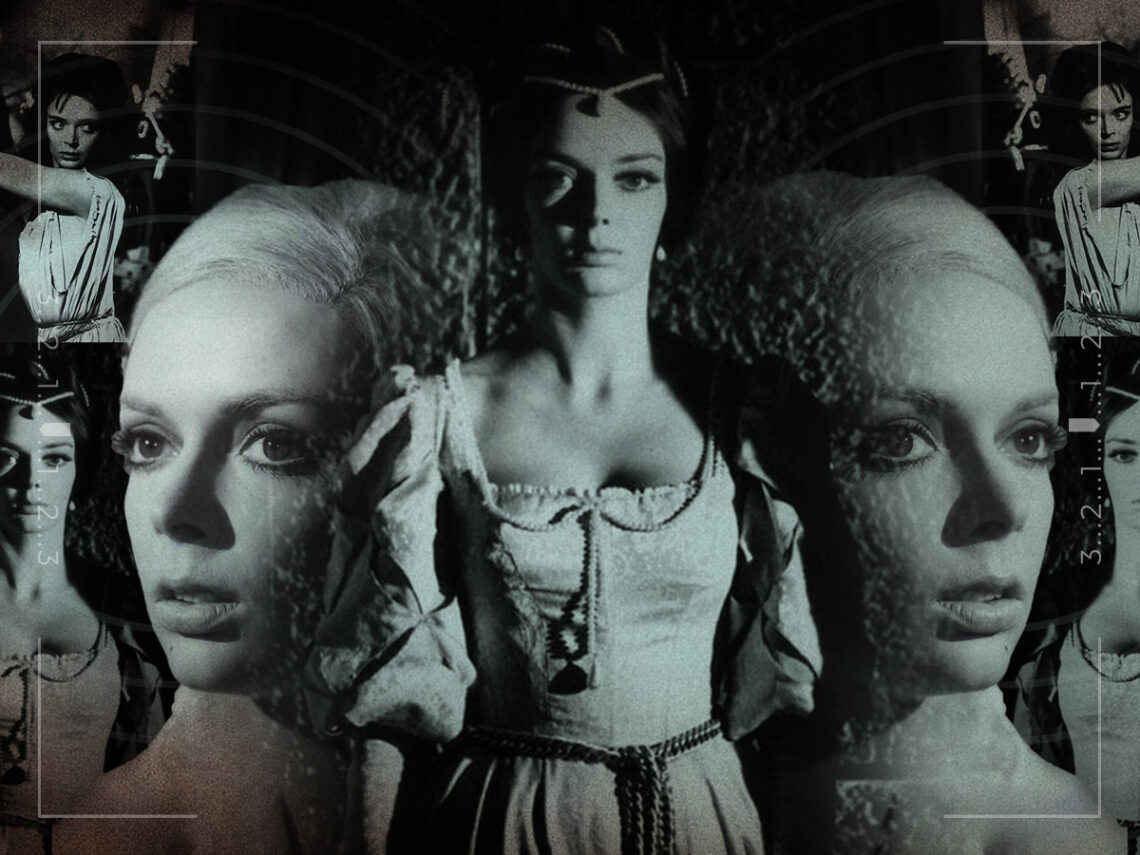
Is Barbara Steele cinema’s greatest scream queen?

The role of women in the horror genre has always been complicated, where, more often than not, she is relegated to being a victim, pursued by a male killer, as seen in popular slashers like The Texas Chain Saw Massacre, Halloween, and Scream.
Of course, that doesn’t mean a film is automatically misogynistic, and that’s a very black-and-white way of looking at it, but considering the genre as a whole, it’s not as common that you’ll find women terrorising victims with a knife in hand (well, unless you’re Pamela Voorhees).
The early days of the genre saw countless female characters endangered by terrifying male creatures, whether that be in classic adaptations like Nosferatu or innovative tales like The Cabinet of Dr Caligari. But as the years have collected, women evolved from merely damsels in distress to instead occupy the role of the scream queen, finding a solid footing with the rise of the slasher genre in the 1970s.
The scream queen archetype can be seen in the fertile beginnings of the horror genre, with Fay Wray, star of King Kong, earning the title in the 1930s. Who is classified as a scream queen has been subject to debate over the years, with some examples possessing considerably less autonomy than later title holders who have come to dominate media with much more fleshed out personalities under their belts, such as Neve Campbell.
Best known for her role as Sidney Prescott in the Scream franchise, sure, she is the victim of Ghostface throughout the series, but she always comes out on top, using her intelligence to outsmart the killer. Not only that, but she has a backstory driven by grief, and the film doesn’t hesitate to show Sidney’s experience of trauma, which leads her to do a lot more than just shriek.
The archetype’s so iconic it even sparked the 2015 TV series Scream Queens, starring Emma Roberts – who’s pretty much a modern-day scream queen in her own right. The show gave female characters room to be brilliantly unhinged on screen, and for most scream queens, their fate’s more or less sealed anyway, often elevating them to that legendary status: the final girl.
So, who is the best scream queen?
In recent memory, Jamie Lee Curtis stands out as one of the greatest, with her debut as Laurie Strode in John Carpenter’s Halloween.
As the daughter of Janet Leigh, whose screaming face is one of the most indelible images from Psycho, it makes sense that she had what it took to become a scream queen. Subsequently appearing in other horrors, like Prom Night, The Fog, Terror Train, and copious Halloween sequels (not forgetting Scream Queens, too), Curtis is pretty great at wailing her way through terrifying situations, usually emerging ultimately unscathed.
Before Curtis, however, there was the veteran scream queen, who I’d argue deserves the title most, and that’s Barbara Steele. With her distinctive wide-eyed appearance, the English star has appeared in horror spanning countries, but it was Italy that charmed her most, where she appeared in Mario Bava’s pivotal 1960 horror Black Sunday, which, alongside Psycho and Peeping Tom, both released that same year, helped to bring more violence to the big screen.
Steele seemed right at home in these foreign-language flicks she ended up in after moving to the country with the dream of working with Federico Fellini, and while all that drove her career to a wildly different direction, she would eventually get to work with the iconic director on 8½ in 1963. For the most part, though, Steele dedicated herself to horrific tales which saw her play both victims and villains.
From The Pit and the Pendulum to The Long Hair of Death, Castle of Blood, The Horrible Dr Hichcock, and later on, David Cronenberg’s Shivers, she built up an impressive horror resumé that solidified her crown as the greatest scream queen of all time. With a face perfectly suited for seductive, gothic roles, paired with dark hair and an intense gaze, both as compelling as it is haunting, Steele was and is every bit the horror icon.
