


‘Rock Around the Clock’: The banned movie that heralded the rise of the rock ‘n’ roll culture war

Art is an unarmed liberator, and plenty of conservatives have always thought that makes it primed to attack and tear down as a sinister force to be very wary of. Rock ‘n’ roll, from its very inception, was viewed as the devil’s music. And that came to the fore in England one wild day in 1956.
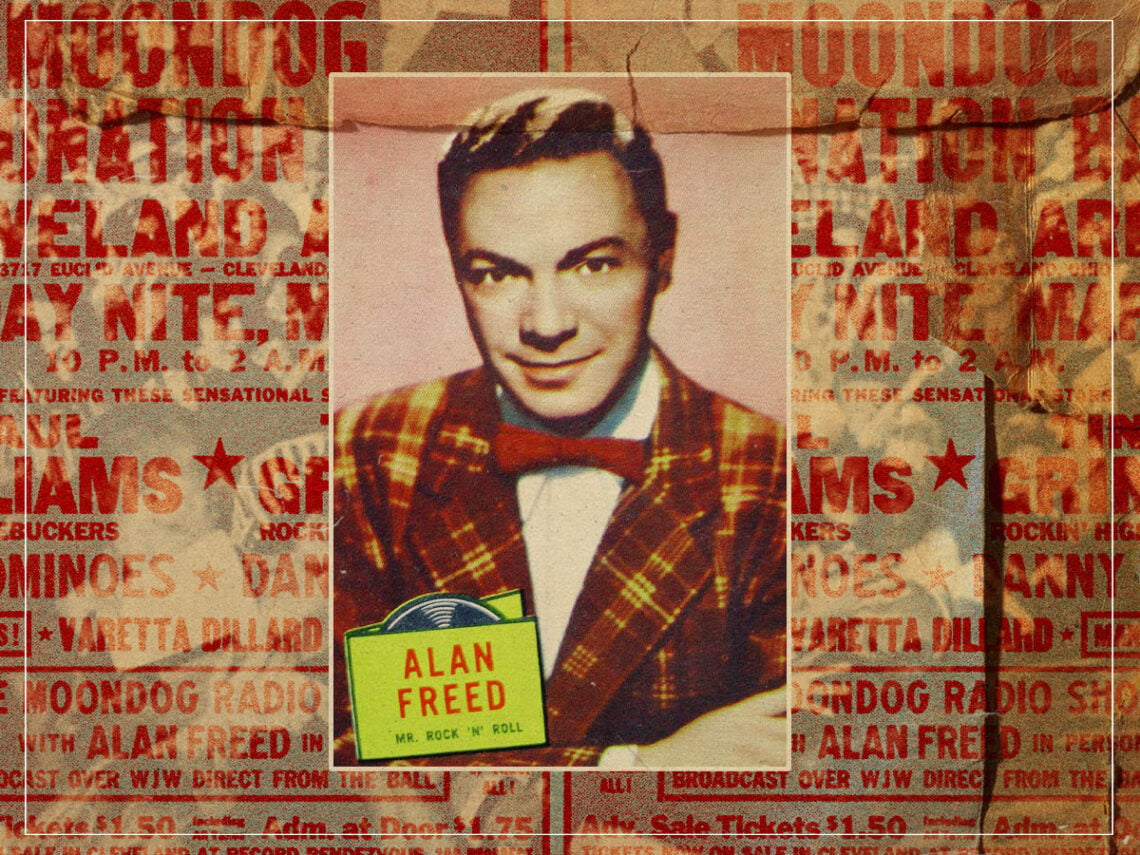
It was only five years earlier that the American DJ Alan Freed had begun using the phrase rock ‘n’ roll while presenting on the WJW station in Cleveland, Ohio. Soon, he began presenting concerts under the same banner, at the coinage began catching on.
From ‘brat summer’ to ‘shock rock’, cultural history has made it clear that movements really gather momentum when they get christened with a fitting name. So, Bill Haley and his Comets caught onto this sensation early doors, and the besuited grooving bluesman released ‘Rock Around the Clock’ in 1954. It would top the charts in 1955, and it was clear that a ‘craze’ was underway.
However, it is a trick of history viewed in retrospect to think that it was all-consuming. A few hip kids might’ve been cottoning onto the boon drifting onto the radio waves, but the bulk of society on both sides of the pond was either ignorant to it, in denial, fiercely against it, or indifferently listening to swing instead.
That wasn’t the case when it came to the keen eyed commercialists of the world. The film director Fred Sears sniffed a whiff of a potential box office hit after hearing Bill Haley. His idea was simple: he’d portray the transition of society towards rock ‘n’ roll via what was effectively a thinly veiled concert film before concert films were even a thing.
Sears had witnessed increasingly raucous rock ‘n’ roll shows and he knew just how well they seized the freshly-pressed laupels of conservative society and shook it to its core. So, his idea was that his Rock Around the Clock film would focus on a frustrated big band producer in the States. Seeing the era dwindle and become saddled with hurdles, this fictional hero turns towards the emergence of slicked back young kids.
He begins booking shows with rock ‘n’ roll bands instead, and this quirk means that the film is chocked full of performances. So, it arrived in the UK with quite a buzz, and that was set to grow and grow thanks to a familiar twist of fate…
When the film was first shown at the Trocadero Cinema in London, a smearing reader of The Times happened to be present. The next day they sent a largely exaggerated letter into the publication and it made it into print.
It read: “The hypnotic rhythm and the wild gestures have a maddening effect on a rhythm-loving age group and the result of its impact is the relaxing of all self-control.”
Following this letter, all manner of myths took hold. Going ‘wild in the aisles’ became a soundbite for the supposed stark-raving antics induced by the screen. Indeed, kids were certainly inspired to go and give the movie a look. However, in most cities, they found themselves out of luck as the film was widely banned, simply for inciting fun.
Nothing catches on quite like something being ‘banned’, and so rock ‘n’ roll went from being a murmuring on British shores to being a new beastly bonanza that every young kid wanted to be part of. So, it became little surprise that a handful of years later, the British invasion took rock ‘n’ roll to new levels in the backwash of this monumental, frankly middling, movie.
