


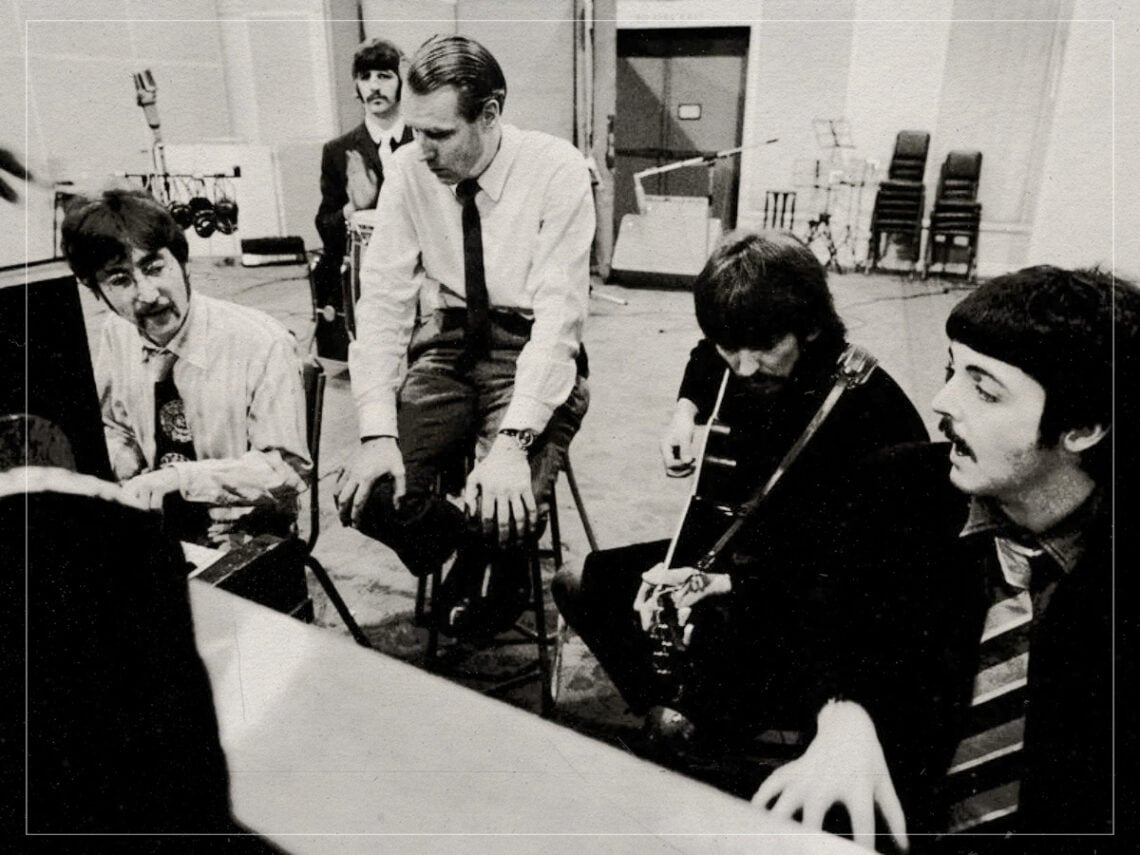
The band who killed The Beatles, according to George Martin

For pretty much the entirety of human existence, live music was all there was. If music history was the Eiffel Tower, then the modern recorded era would comprise the top inch, yet it didn’t take long for The Beatles to create masterpieces too complex to ever escape the studio once that inch arrived.
Stereo sound only rose to the fore in music in 1961 with Enoch Light’s experimental breakthrough Stereo 35/MM, making recorded music three-dimensional for the first time. But in a few short years, The Beatles were reshaping Light’s experiment into transfigured works of art before an enraptured public. They were suddenly using the studio as a new fifth member of the band.
The group had given up touring in 1966, in part, because the technology that was available at the time couldn’t surpass the screams of the crowd. So, when they hung up carry cases, they decided to push the technology that was available in the studio to its absolute limits. As George Martin explains, “[Sgt] Pepper was a kind of revolution in a way,” he told Paul Du Noyer.
Adding, “It marked the change from their writing songs which could be performed on stage, to writing songs which couldn’t be performed on stage.” It was a simple distinction, but a seismic one all the same.
Unburdened by any sense of limitation and desperate to push beyond the pioneering ways of Pet Sounds, the Fab Four elevated rock ‘n’ roll in a progressive new direction. As Ian Anderson would later say, Sgt Pepper was pivotal to the development of prog. Alas, their aim was not to craft a new genre. It was simpler than that. As Martin explains, “They were able then to let their imaginations soar unconfined in the workshop, which was the studio.”
The stately, silver-haired producer continued, “I pompously thought that we were creating a new art form, I thought that we were combining the best of both worlds bringing all elements in, classical music, synthetic music and avant-garde music into rock’n’roll and creating something that was really worthwhile and representative of our time.”

It certainly hadn’t been heard before. Tracks like ‘I am the Walrus‘ were quite literally impossible only a few years earlier. But with the advent of these new technologies and the way in which The Beatles used them, an array of new dimensions were established in rock ‘n’ roll.
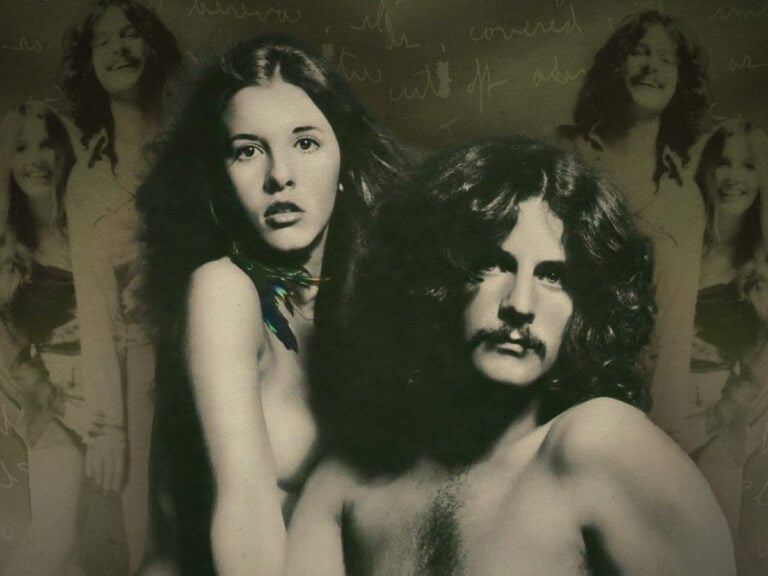
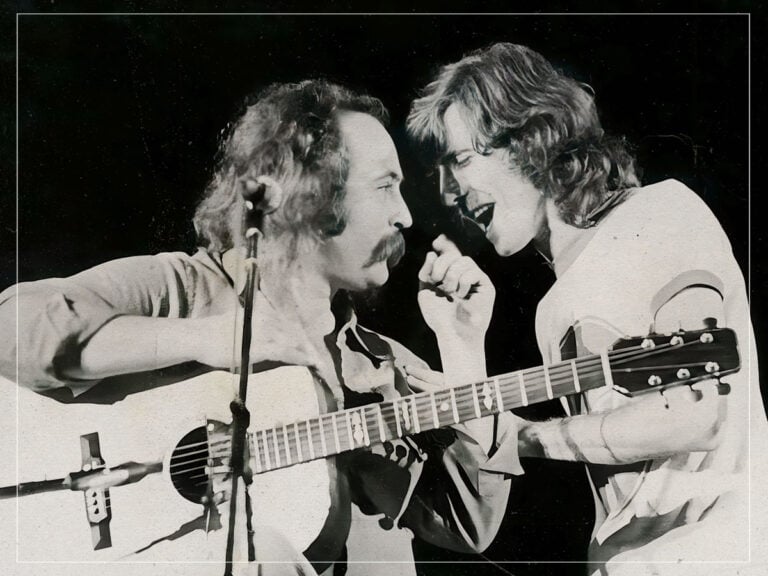
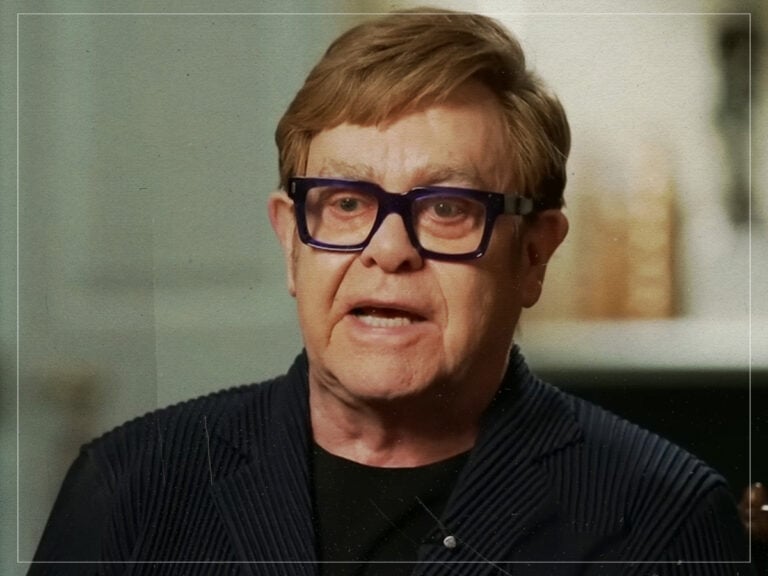
But by the time the 1970s arose, it also seemed to some that those who followed in the Fab Four’s fabled footsteps had taken things a little bit too far. That was certainly the viewpoint of the punk generation, who questioned whether the visceral element of rock ‘n’ roll had been lost amid the grand blend that Martin classified as “a new art form“. Luxuriating in the studio, sipping lattes, had maybe sent things a little flabby.
In the famed producer‘s view, one of these punk bands put an end to that for good, killing the once hopeful legacy of truly expansive rock ‘n’ roll for good. “In fact, after Abbey Road the whole movement dropped anyway because along came punk rock and the Sex Pistols singing ‘God Save The Queen’ and music changed enormously, and we didn’t know where the future lay,” he said of the snarling Never Mind the Bollocks group.
They were certainly worlds apart from Sgt Pepper. As Malcolm McLaren famously quipped, Glen Matlock was “thrown out of the Sex Pistols because he liked The Beatles.“ As far as Martin could see, McLaren’s jibe was not just a pithy line, it spoke to a deeper cultural shift.
It wasn’t simply that punk rejected the ornate studio experimentation that Revolver and Sgt Pepper had championed; it was actively defining itself against that outlook. The imaginative possibilities that The Beatles had unlocked were no longer the benchmark for progress. Instead, a new emphasis was emerging.
“To me, initially on impact, seeing all that [punk] stuff was like ‘Oh that’s how we used to behave at the Cavern [Club] before Brian [Epstein] told us to stop throwing up and sleeping on stage.”
John Lennon
As the explosive Pistols proved, it was one that prized attitude, immediacy, and, increasingly, image. By ’77, the producer knew that the days of the Fab Four were finally over when it came the in vogue art form being imitated en masse.
“We didn’t know that vision was going to dominate sound as it now does,” Martin continued. “You can’t sell records without television, and so the vision is more important than the music, and the way people move and the way they look is more important than the way they sound. Hence, Spice Girls hits, Michael Jackson in some of his wilder movements.”
While Martin didn’t give much thought to the possibility that both the Sgt Pepper and Sex Pistols school of thought could one day combine to create music that was both visually profound and classically imaginative, he was certain that punk had moved the dial.
Ironically, it is a direction that John Lennon, Mr Imagination himself, was on board with. As Martin recalled Lennon saying during the making of Abbey Road, “What the hell, we’re in rock ‘n’ roll, we’re making songs, we’re not making a symphony; I like ‘Come Together’, let’s put another song in.”
Without that attitude, punk would perhaps never have come to fruition, with The Beatles proving that there were no limits to creativity, no matter what direction you want to take it, welcoming ordinary people into a world of art untold. That’s punk itself. You can do what you want from there.

Never Miss A Beat
The Far Out Beatles Newsletter
All the latest stories about The Beatles from the independent voice of culture.
Straight to your inbox.