


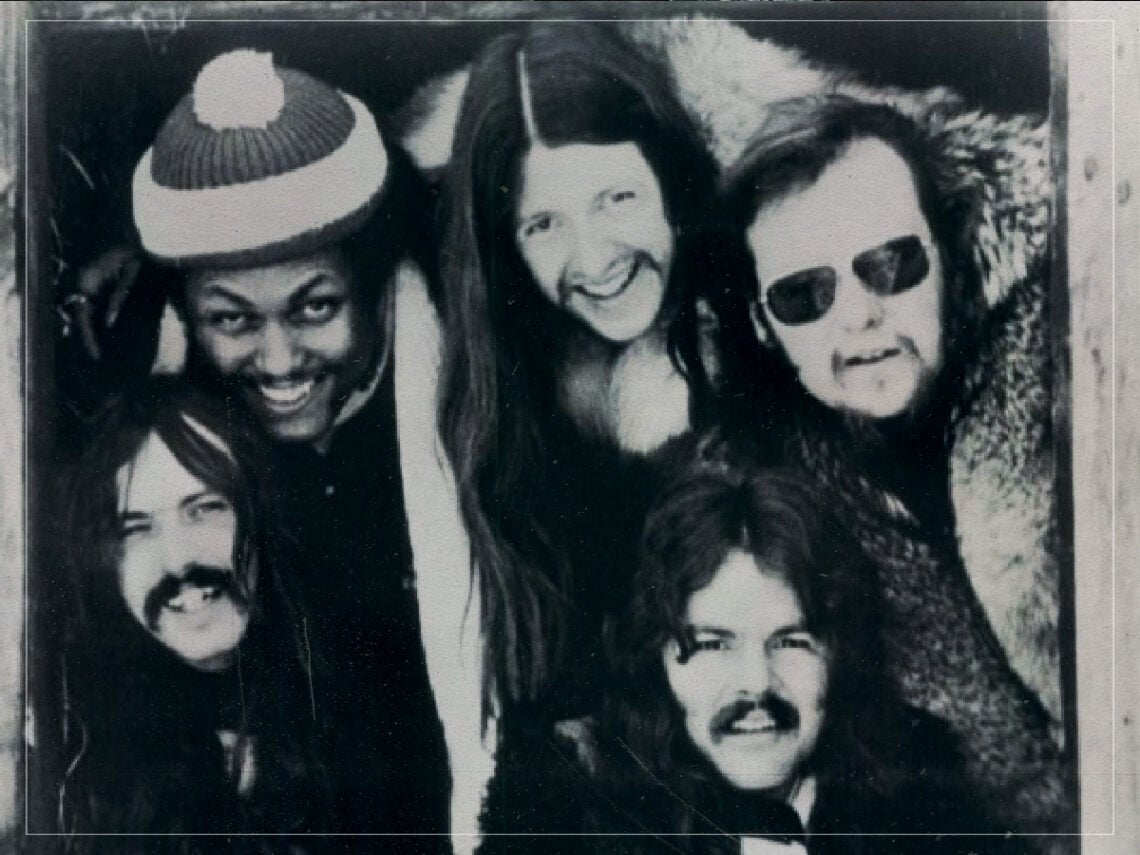
“I was one of the cult”: the band who shaped The Doobie Brothers’ sound the most

“Why don’t you call yourself The Doobie Brothers because you’re always smoking?”
Such was the question from Keith Rosen, a friend of the band’s who, according to Tom Johnston, posed the suggestion and was met with confusion. “Everybody looked at each other and said, ‘Well, that’s really a stupid name,'” Johnston recalled to The Minnesota Daily in 2013. Still, the name stuck, and the instance was one of various chance encounters that would change The Doobie Brothers’ trajectory.
Forming from the fringes of California’s Bay Area music scene, The Doobie Brothers were founded by Johnston, who enthused to Ultimate Classic Rock that the scene, as it was in the late 1960s, played a significant factor in shaping what would come to define The Doobie Brothers’ sound. Living in San Jose, Johnston’s new life was soundtracked by the likes of The Grateful Dead and Jefferson Airplane, but one band, in particular, helped to shape the Bay Area sound and were instrumental to the formation of The Doobie Brothers: Moby Grape.
Moby Grape were a pivotal psychedelic rock band out of San Francisco, melding rock with folk, pop, blues and country who, from their very formation in 1966, were an early iteration of psych music that became synonymous with the counterculture, and whom Johnston happened to meet while jamming with various musicians in and around the scene.
“I played with a lot of guys who were in the Santa Cruz Mountains, a lot of jam sessions,” Johnston reflected, “and I also met Skip Spence from Moby Grape early on. Jammed with him quite a bit.”
It was Spence, Johnston reveals, who first introduced him to John Hartman, the original drummer for The Doobie Brothers. “He put us together because John had come out from Washington, DC, looking for people for a Moby Grape reunion,” Johnston explained. Indeed, Hartman had travelled to California from his native Virginia to meet Spence, specifically, hoping to join the plans for the reunion that sadly, never came to fruition.
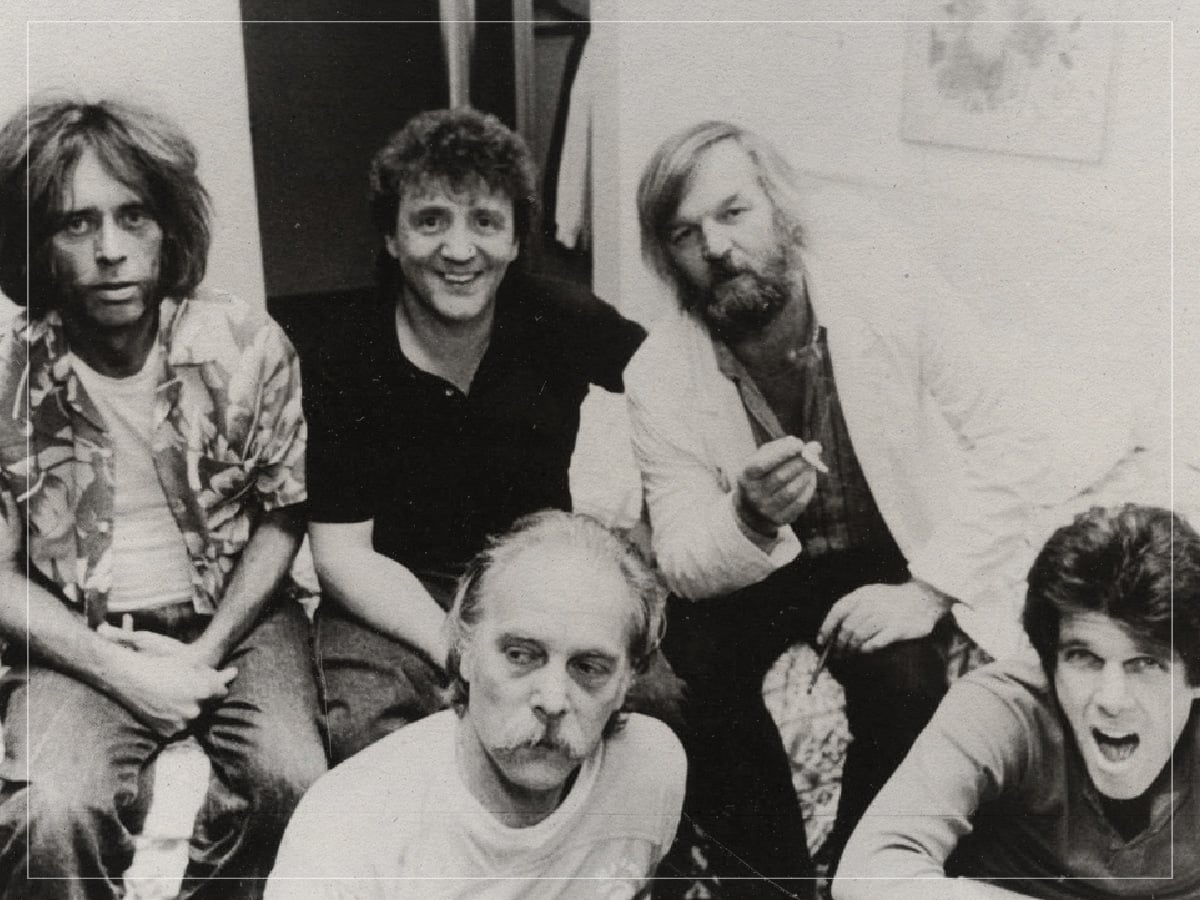
“Moby Grape had a cult following as well, and I was one of the cult,” Johnston asserted. “And so was John and so was Pat and so was Tiran [Porter, The Doobie Brothers’ bassist] and so was everybody else I knew.”
In Moby Grape’s music, Johnston heard the potential for what his band could become. He even cites The Doobie Brothers’ 1975 song ‘Neal Fandango’ as resulting from Moby Grape’s sound, stating, “That song jumps out at me right off the bat because that has a real Moby Grape flavour to it.”
“They had three-part harmonies, they had guys that were able to fingerpick, they had a driving drummer, they had all these facets that nobody else had,” Johnston explained of his admiration for the musicians. “The songs were really good, well-crafted, well-thought-out songs. I love their lyrics, they’re incredible. They weren’t just dumb-headed lyrics.”
While Moby Grape were essential to what became the California sound, the band never achieved mainstream success and eventually fell to the wayside of bands who came after them. This is attributed to two key elements: one, the band’s legal disputes with their former manager, Matthew Katz, who, shortly after the band formed, insisted on his ownership of the group name. This intensified when, in 1973, their rights to Moby Grape’s songs were signed away without their knowledge.
The second element came about around 1969 when members Bob Mosley (vocals, songwriting and bass) and Spence (guitarist and co-founder) began to show signs of suffering from respective mental illnesses. Mosley had left Moby Grape in 1969, opting to join the Marines before being discharged for medical reasons. He was later diagnosed with schizophrenia and wound up homeless, though sought after by the band to join a Moby Grape reunion on multiple occasions. He eventually rejoined the band in 1996 to record their album, True Blue.
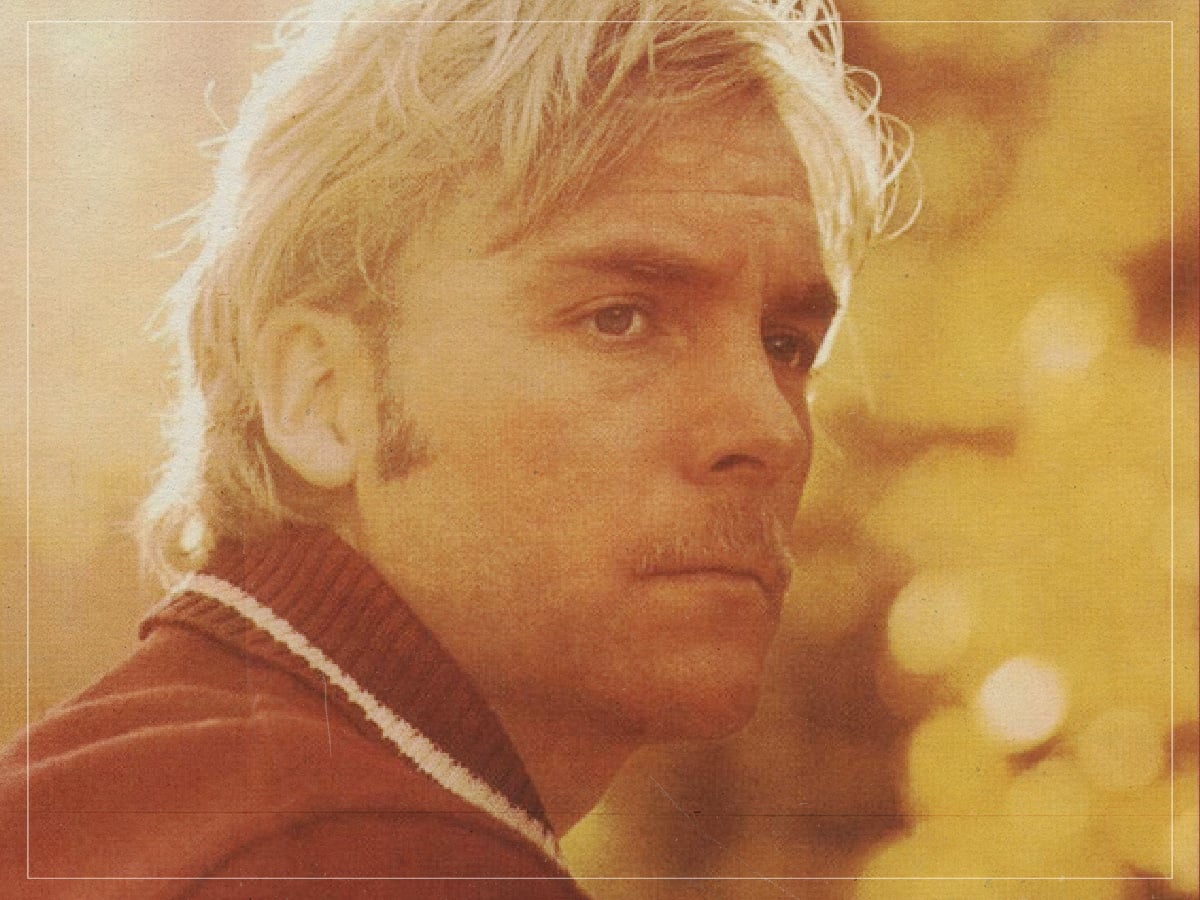
Spence, who had begun to abuse LSD, was introduced to heavier substances while the band were in New York recording their third album, Moby Grape ‘69. “Skippy changed radically while we were in New York,” lead guitarist Jerry Miller recounted, quoted in The New Hampshire in 2007. “There were some people there [he met] who were into harder drugs and a harder lifestyle, and some very weird shit. And so he kind of flew off with those people. Skippy kind of disappeared for a little while.”
When Spence returned to Moby Grape, he had changed his appearance – shaving off his beard and wearing a leather jacket and chains – and, under the influence of drugs and a psychotic break, took an axe to Miller’s Albert Hotel door. He ended up placed in “The Tombs”, the Manhattan Detention Complex and later, committed to New York’s Bellevue Hospital, spending six months under psychiatric care. Spence was then forced to depart Moby Grape, completing his song ‘Seeing’ (also known as ‘Skip’s Song’) in his absence.
Moby Grape persisted throughout the years, occasionally reuniting and recording new material until 1989, before the deaths of Spence in 1999 and Miller in 2024.
“Unfortunately, they burned out really fast,” Johnston lamented, concluding, “but in the small snippet of time they were around, they put out a couple of albums that were just phenomenal. The first one [their 1967 self-titled debut album] has yet to be equalled. I played the grooves off of that one.”
