


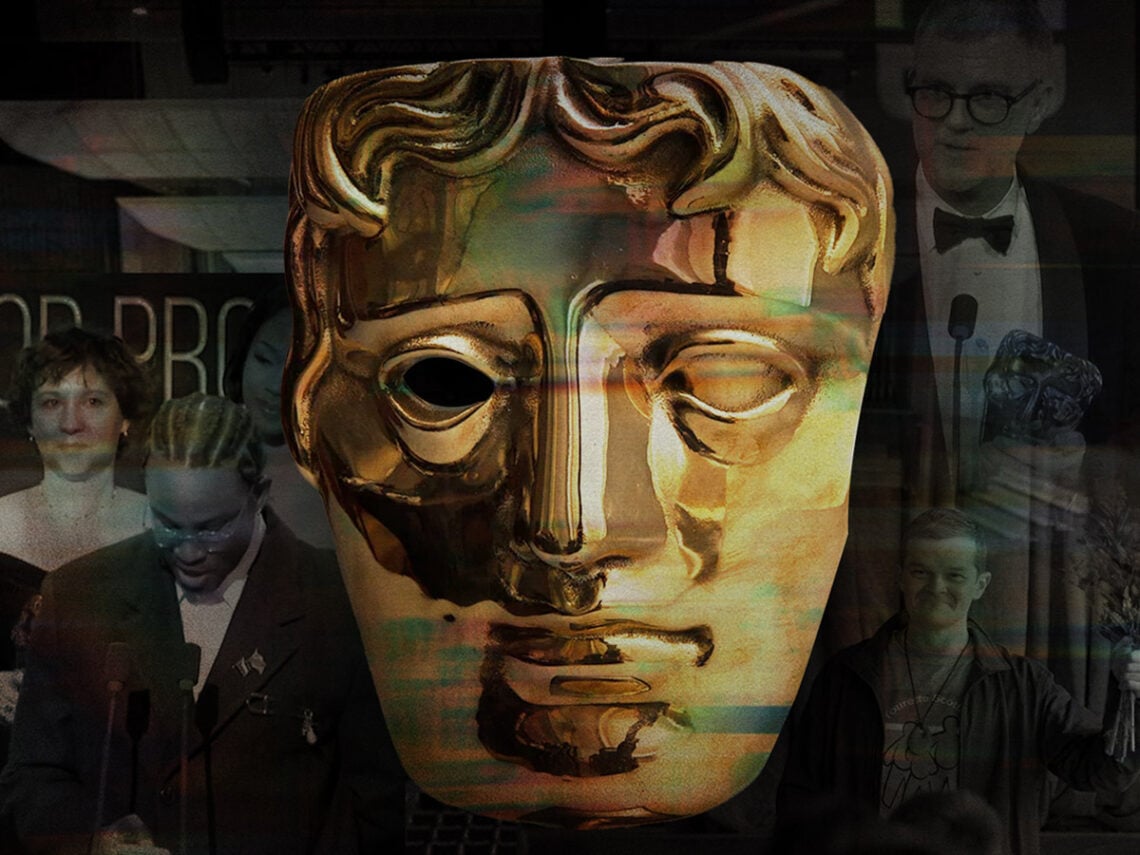
Baftas 2026: The uneasy divide between politics, art, and censorship

At the Baftas ceremony last night, John Davidson, whose experience of Tourette’s Syndrome was brought to the screen in the film I Swear, shouted the N-word as Michael B Jordan and Delroy Lindo stood on stage.
Interestingly, the BBC failed to cut the racial slur from the TV broadcast, even though it wasn’t being shown live. Davidson’s tic wasn’t the result of racial prejudice – a huge part of Tourette’s involves involuntarily saying things that the person knows to be incredibly offensive, inappropriate, or embarrassing.
The fact that the N-word is so disgusting is likely why it manifested as one of Davidson’s tics during such an intense, high-profile event, and I Swear – which won Robert Aramayo, who played Davidson, a Bafta –set out to explore this misunderstood condition. With that being said, the BBC could’ve easily edited out the slur. There was no need to keep it in the broadcast, although the ceremony has since been removed from BBC iPlayer following backlash.
Why, though, if they failed to remove this slur, did they choose to censor Akinola Davies Jr’s cry for a free Palestine? The filmmaker won an award for his incredible debut feature, My Father’s Shadow, which directly explores political chaos against the backdrop of the 1993 Nigerian elections, and upon accepting his prize, he used his platform to make a stance.
Dedicating his prize to “all those whose parents migrated to obtain a better life for their children,” he finished his speech by saying, “Archive your loved ones. Archive your stories yesterday, today, and forever. For Nigeria, for London, the Congo, Sudan, free Palestine.”
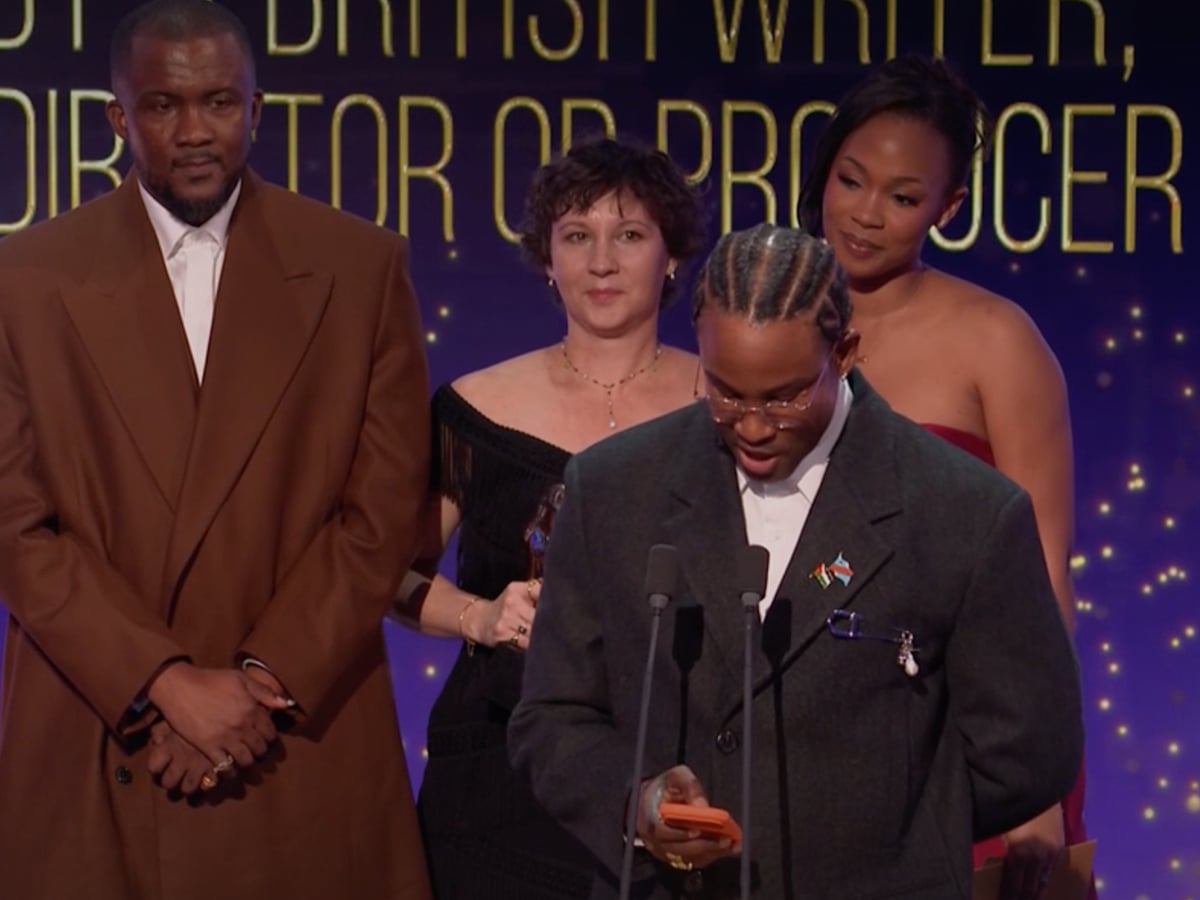
Unsurprisingly, this part of his speech was erased from the broadcast. This was to be expected. The BBC are terrified of any form of political resistance being aired, especially following the backlash that came from the Bob Vylan ‘Death to the IDF’ Glastonbury incident last year. “The live event is three hours and it has to be reduced to two hours for its on-air slot,” a spokesperson for the BBC told Deadline, but really, is that a good enough excuse?
Of course not. It’s just clear evidence of censorship, putting the BBC‘s broadcast at odds with many of the movies that were nominated or crowned winners by the Baftas, of which a large number were fiercely political.
Art and politics are inseparable, even if Wim Wenders disappointedly thinks otherwise (he called filmmakers “the counterweight of politics,” adding, “we are the opposite of politics” at a recent Berlin Film Festival speech). When we watch a film, a mirror is held up to society, whether we’re watching a fantasy movie or a gritty piece of social realism.
Everything reflects back the climate in which a film was made, at least in some way, and with the array of films spotlighted by the Baftas this year, it’s clear that political and social unrest has taken an inescapable toll, subsequently inspiring these films.
‘Best Film’ winner One Battle After Another is the most politically-charged movie Paul Thomas Anderson has ever made, while other nominees like The Voice of Hind Rajab and It Was Just An Accident are inseparable from the current climate, the former illuminating the real story of Hind Rajab, a five-year-old Palestinian girl who was killed by Israeli forces. So, how can the Baftas be so willing to highlight these politically-charged narratives, yet the BBC hesitates to allow filmmakers to voice political opinions during the ceremony?
In our current climate, it seems like if you want to make movies about politics, war, disability, race, class –go for it, you might win an award – but don’t expect to bring any of your opinions to the stage when you win a prize for these same politically-charged films. Conan O’Brien has already revealed that he won’t be making Donald Trump-related jokes at the upcoming Oscars, which comes after Jimmy Kimmel was criticised by the US President for joking about him in 2024.

Meanwhile, Jonathan Glazer received significant backlash that year for taking a pro-Palestine stance while accepting his Oscar for The Zone of Interest. You can’t untangle politics and art from one another –they go hand in hand – and censoring cries of ‘Free Palestine’ while nominating a film like The Voice of Hind Rajab just makes no sense.
At least we can take away the very clear political narrative that seems to be informing the work of many current filmmakers, whose films can hopefully overpower the censorship of such ceremonies. As long as we have filmmakers and actors who are actively using their voices to tell stories that reflect our current times, highlighting issues like genocide, immigration, racism, and ableism, then that’s something we can hold onto with some hope.
Considering that a few years ago the Baftas were heavily criticised for having such a small number of non-white nominees, progress has certainly been made with a much more diverse line-up of nominees and winners this year.
That’s great to see, and it’s promising to witness such powerful and relevant stories being championed, with their makers actively voicing a collective call for change and for stories that reveal the truth, not hesitating from being unflinching and hard to stomach, instead looking us right in the eye and asking us to listen.
Yet, it’s not enough for these films to be served to us among a climate of such terrifying censorship. If the N-word can be left in a broadcast but not ‘Free Palestine’, then there’s something going on beyond a mere editing mistake. We cannot censor statements such as these while championing films that promote the same message. The irony is shameful.
