


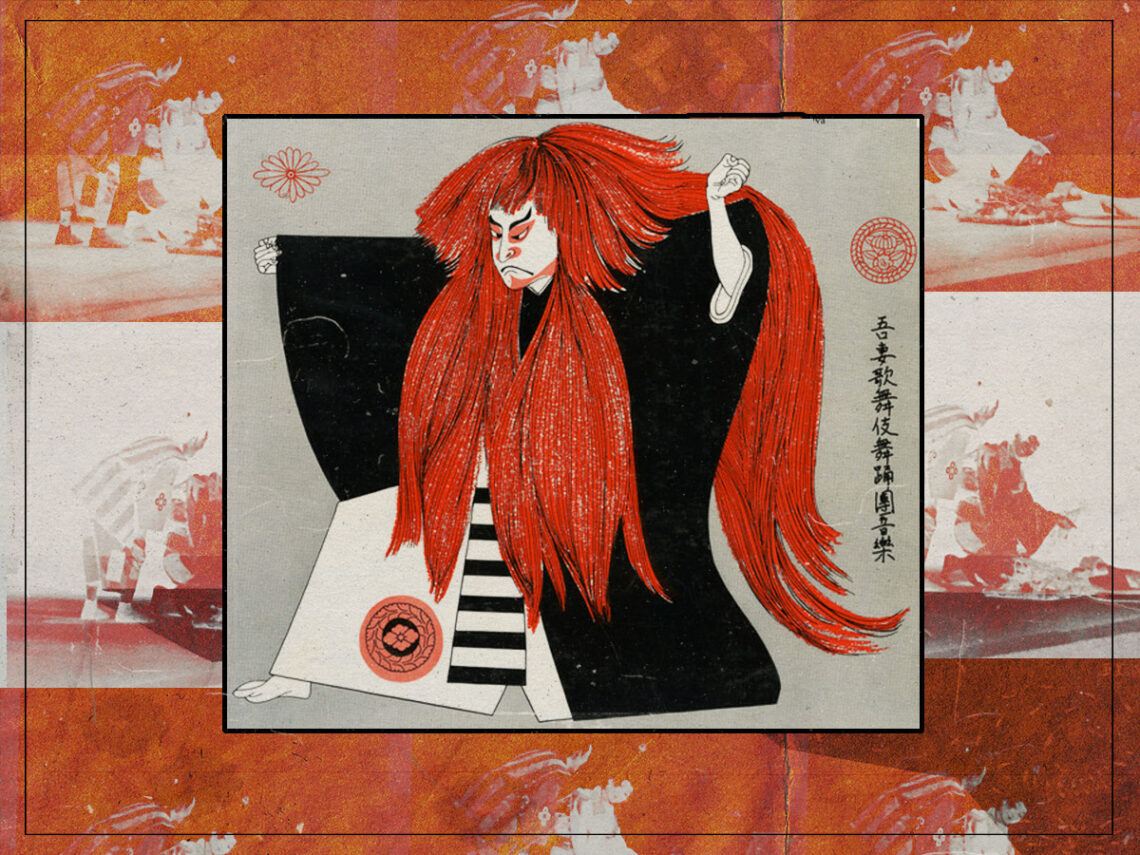
Azuma Kabuki Musicians, 1954: The Japanese masterpiece that inspired modern experimental

Amid a bitterly cold February in 1954, a band of musicians travelled from Japan to the USA. The first group of its kind to come to the States, the Azuma Kabuki Musicians travelled around the globe, espousing the joys of traditional Japanese kabuki dance music. While their music may have since been lost to obscurity, the troupe clearly had an impact on contemporary experimental music and the hippie psychedelia of the 1960s.
Very little is known about the Azuma Kabuki Musicians, aside from what was included on the liner notes of the album H.I.H. Prince Takamatsu and the Japanese Ministry of Foreign Affairs Present The Azuma Kabuki Musicians. The record was first released in the US in 1956, two years after the Kabuki troupe began their US tour in New York.
The title refers to Prince Takamatsu, brother of Emperor Hirohito, who ruled over Japan from 1926 until his death 62 years later. Historically, therefore, The Azuma Kabuki Musicians came to the US at an interesting time. The country was still recovering from the effects of World War Two, during which they had been at war with Hirohito and the Japanese army, and anti-Japanese sentiment was rife throughout the country as a result.
Nevertheless, the kabuki troupe proved to be popular during their tour, leading Columbia Records to put out a record of their tracks. The album features a combination of original music, new arrangements of classic kabuki songs, and versions of traditional Nagauta music. Nagauta is a style of music usually played on a three-stringed instrument called a shamisen, and is traditionally used to accompany kabuki theatre. Kabuki theatre dates back over 400 years and is incredibly important to the culture of Japan, providing inspiration for countless artists past and present.
When it comes to traditional music dating back hundreds of years, there is an assumption that the tracks are likely to be slow, dull and archaic. On the contrary, this album feels so haunting, with a driving atmosphere that could draw comparison to the likes of Hawkwind. In fact, mad punk professor Jello Biafra of Dead Kennedys has spoken about how influential Azuma Kabuki was during his teenage years, once saying, “I find it in the parents record collection, put in on while we’re all doing bong hits back in my bedroom, and it blew everybody away. ‘Why didn’t George Harrison listen to this instead of all that Indian music? This is so much cooler.’”
The rising intensity on some tracks, such as ‘Tschuigumo’ (The Dance Of The Spider, in English), shares a lot in common with the music of Groupe de Recherches de Musique Concrète, often cited as the originators of modern experimental music. Alongside haunting vocal performances and an often abrasive sonic landscape, it becomes clear that the Azuma Kabuki Musicians offer so much more than merely an accompaniment to traditional Japanese theatre performances.
Under the leadership of Katsutoji Kineya and Rosen Tosha, the troupe of ten musicians managed to create some of the most interesting and captivating material ever pressed in the USA. Kineya was said to have been trained in the kabuki tradition from a very young age, and that becomes apparent upon listening to the music. While it may sound discordant, confusing and occasionally frightening, you can clearly hear the intense musical talent behind the tracks and the great love and detail that the band have for the traditions of kabuki theatre and dance.
