


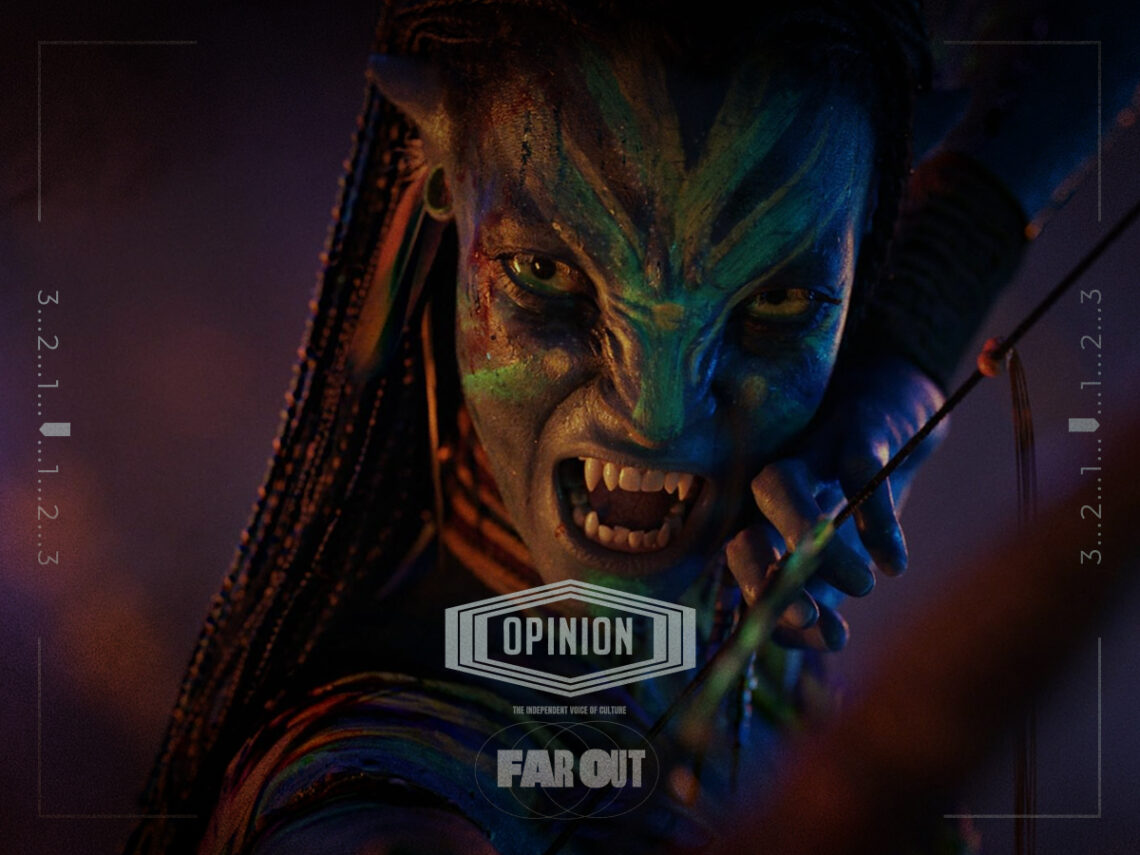
Hear Me Out: ‘Avatar: Fire and Ash’ was no disappointment

The latest instalment in James Cameron’s Avatar franchise was subjected to tremendous expectations, but its critics have been far too harsh.
It’s fascinating that Avatar, the most successful film financially in history, has become somewhat divisive in the years following its release, and while the continued success at the box office has proven that audiences are still willing to take whatever adventure James Cameron has in store for them, it appears that some critics had their knives out going into the third film, Avatar: Fire and Ash, which they seemed to reject on principle.
Developing the third entry in a series is challenging, as it’s responsible for wrapping up story threads that were introduced in the first two films in an emotionally satisfying way. While Cameron had already proven that he could make a great second film before Avatar: The Way of Water with Terminator 2: Judgment Day and Aliens, Avatar: Fire and Ash was the first time he was wrapping up a story that he had created.
Perhaps it introduced less new imagery than its predecessors, but the film is the deepest of the three films in how it considers loss, rebirth, and legacy. The shocking death of Jake Sully’s (Sam Worthington) son, Neteyem (Jamie Flatters), in the second film forced the characters in Avatar: Fire and Ash to think long and hard about what they were fighting for, and whether the ends justify the means. The examination of Jake’s younger son, Lo’ak (Britain Dalton), who deals with depression after his brother’s death, is among the most gripping, emotional content in any of this year’s blockbusters.
What makes the Avatar franchise stand out when compared to other cinematic sagas is that everything on screen is based on Cameron’s imagination; when there’s no source material to draw from, the films are allowed to develop entirely unique and vibrant cultures, environments, and philosophical ideas.
The third film goes further in considering the effects of religion among different subcultures of Na’vi, and raises some interesting questions about the nature of spirituality. Although Jake’s daughter Kiri (Sigourney Weaver) has formed a deeper connection with the goddess Eywa, the film’s villain Varang (Oona Chaplin) has rejected the creator based on the suffering experienced by her people.
Chaplin’s performance is by far the most exciting component of the new film because it is a unique exploration of how native people might find themselves in league with their oppressors. Even if Quaritch, played by Stephen Lang, sees an alliance with Varang as a means to wipe out Sully for good, it’s clear by the end of the film that she holds all the power in their relationship.
Although all the motion-capture performances are strong, Lang does some of his best work to date by showing how Quaritch has come to accept, and possibly assimilate to the Na’vi ways. It’s become increasingly clear that the new form he possesses isn’t the same as the human character that died in the first Avatar.
Avatar: Fire and Ash came with a tremendous price tag, but the money is clearly on the screen whenever the action begins. It’s hard to imagine that Disney wouldn’t be interested in a fourth film, but it’s up to Cameron, now in his 70s, if he wants to dedicate the next decade of his life to more Avatar stories. If Avatar: Fire and Ash is the last time that audiences ever get to experience Pandora through Cameron’s eyes, it will have ended on a high note.
