


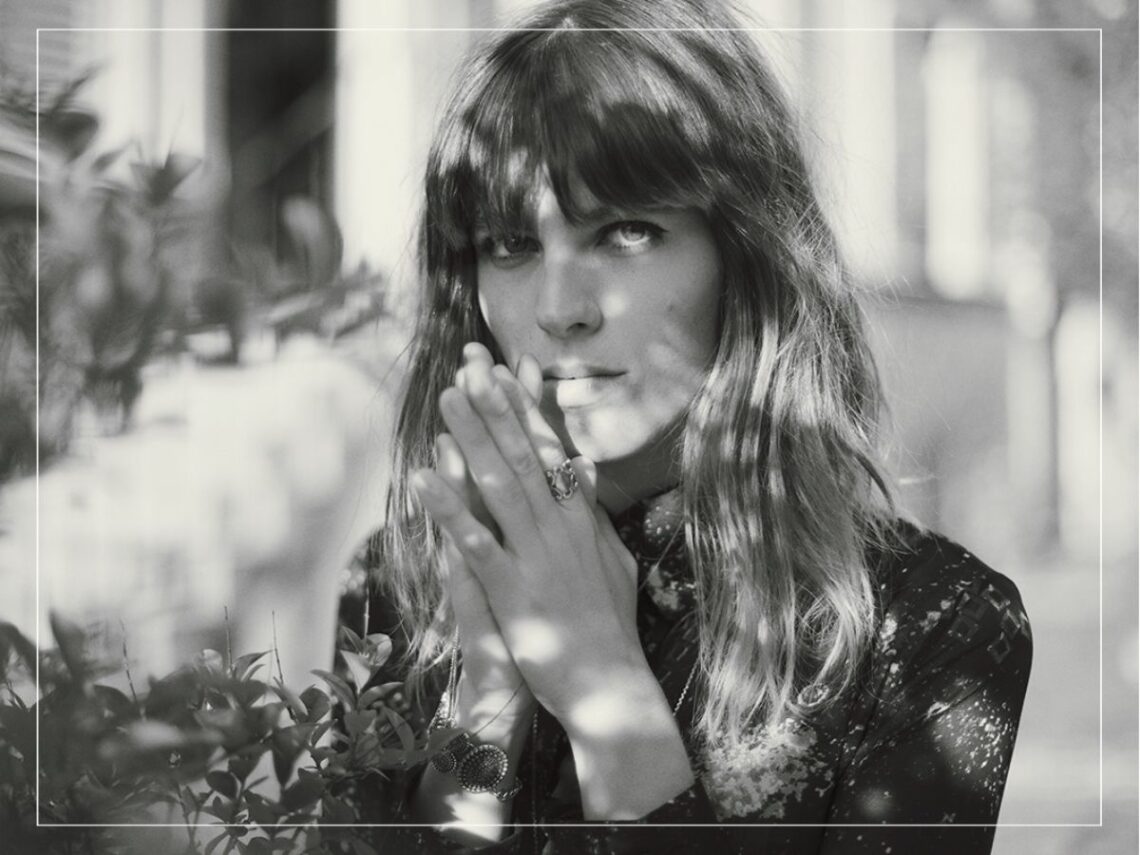
Psychedelic worlds: The artists that inspire Melody’s Echo Chamber

Some artists make music. Others create worlds for their listeners to lose themselves in, sonic soundscapes that aim to enchant and envelop. They focus on the intricacies and emotional effects of their sound, placing as much importance on the creation of ambience as they do on the technicalities. French artist Melody’s Echo Chamber certainly falls into the latter category, an artist in its purest form.
Spawning from the south of France in the early 2010s, Melody’s sound harked back to a much earlier time without ever feeling dated. She paired airy vocals with spacey psych guitars, offset elements of shoegaze with off-kilter instrumentation, and, in the process, left countless listeners in awe. It was perfectly timed with the interest in neo-psychedelia.
Now, just over a decade later, Melody has only honed that sound further, carving out her own take on psych-infused French art pop. It’s a sound that few have been able to replicate or recreate, perhaps because of the myriad of influences it spawned from. There are elements of old French music, of the psych-pop artists who preceded her, and of the neo-psychedelia that sometimes still surrounds her.
Melody has credited a number of artists with inspiring her Echo Chamber. During a conversation with The Line of Best Fit, she spoke about her love for bands like Can and Broadcast, both of which can be palpably felt in her music. Broadcast may be one of the most underrated bands in their sphere, but their cult following has attracted a number of artists who seek to create that same hauntological ambience in their music.
Melody is one of the few artists who has captured that sound while still making it her own. Her vocals are as soft and sweet as Trish Keenan’s without sounding like an imitation, while the soundscapes harboured the slightly strange feeling of Broadcast’s sound but removed the lo-fi nature of their recordings. Can’s sound bleeds into Melody’s work, too, into her stranger leanings, her psychedelic sprawls.
Melody has also cited Reykjavík-born band Sigur Rós as an influence in several interviews. On the surface, the influence of Sigur Rós on Melody’s sound might be a little more difficult to pinpoint. The post-rockers created a much more minimalistic, meditative sound than much of Melody’s work, but there’s a similar desire to create an ambience and a dreamy world to fall into.
The French singer isn’t just inspired by her fellow songwriters, though. She has also cited writers and art pieces that exist outside of the world of music. During an interview with Our Culture, she shared her love for poet Jim Harrison, praising the abstract nature yet simplicity of his writings. Melody employs a similar kind of simplicity in her own writing, boiling feelings of love and discomfort down to their very core.
Even beyond writers altogether, Melody seems to look to nature for inspiration. This is something that can also crop up in her music, from the seaborne wonderings of ‘Ocean Road’ to ‘Endless Shore’. She tends to focus her lyrics a lot on herself, on her own feelings and heart, but she also finds connections with the world through sound and words.
The influences that collide to create Melody’s Echo Chamber’s idiosyncratic are seemingly endless, from the more obvious reference points of Broadcast to the universal influences of the world around us. Allowing those things to collide in the studio has allowed Melody to produce sonic worlds, and one of the most entrancing sounds in modern music.
