


Why Broadcast are the most underrated band in alternative music

The 1990s through to the early 2000s saw indie and alternative music push its way into the mainstream, with the successes of Nirvana and brit-pop paving the way for “landfill indie” to thrive. Just beneath this new commercial haven of grunge and guitar rock emerged a fuzzier sound in the form of shoegaze and dream-pop.
Shoegaze pioneers gained a cult following and critical success but were far from finding the same commercially. The genre’s seminal album, My Bloody Valentine’s Loveless, was even rumoured to have bankrupted Creation Records. So the shoegaze craze was short-lived, but dream-pop persisted. Spearheaded by the Cocteau Twins in the 1980s, the genre pressed into the 1990s and 2000s.
But with the press still focused on heavier guitar music, as NME pushed indie and the pop-punk revolution began, dream-pop was forced underground. Meanwhile, a British electronic label called Warp Records were taking an interest in Broadcast, a band emerging from Birmingham.
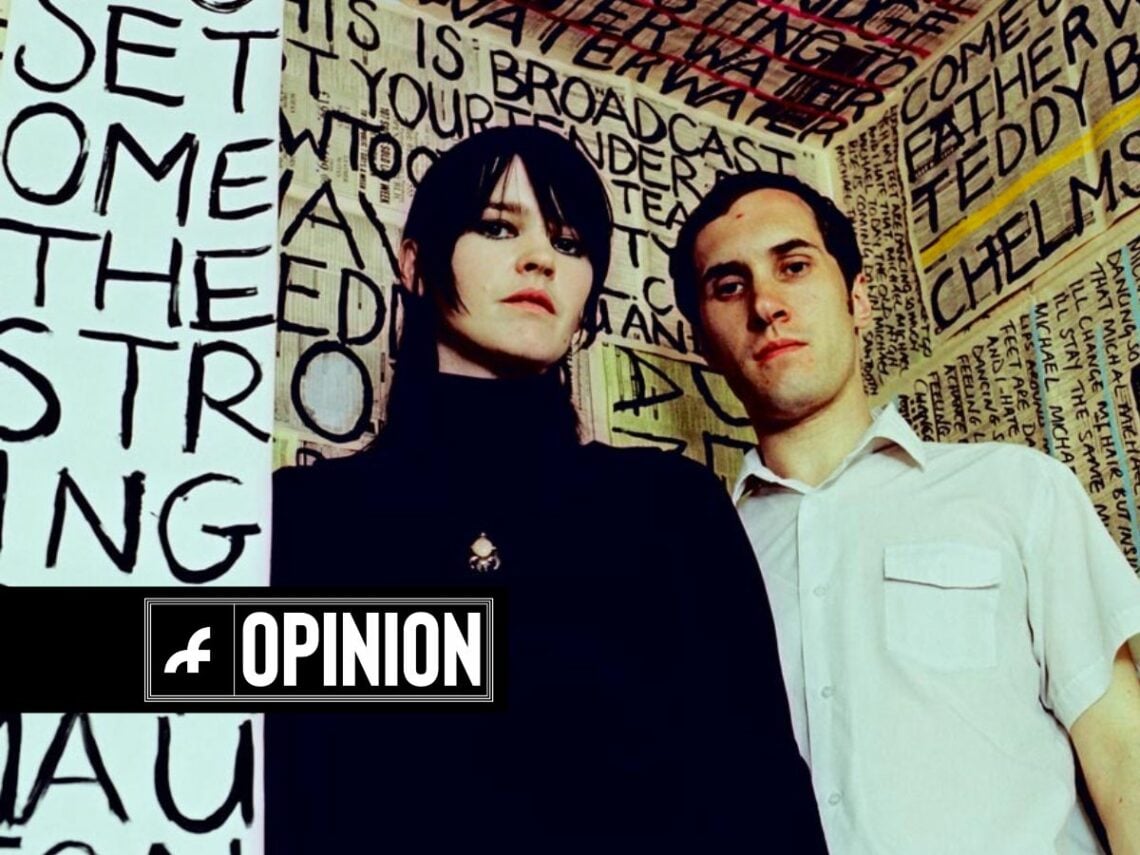
Founded by Trish Keenan and James Cargill, their unique dream-pop sound encompassed psychedelia, electronic synths and drum machines, and twangy folk guitar. Perhaps Broadcast’s most defining stylistic element was Keenan’s influence, her distant vocals and simplistic lyrics always fastened upon a comforting wall of instrumentals. Despite their distinctive sound and seemingly perfect release timing, Broadcast were never to gain the same acclaim or following as their alternative peers.
The Noise Made By People, their first studio album, was self-recorded and self-produced, released by Warp in early 2000. This collaboration was surprising – Warp had been born out of the burgeoning northern electronic scene and, although Broadcast often fused indie and electronic, they were a far cry from the label’s usual bleep techno and IDM signees.
The decision seems to have come from Broadcast’s desire to nurture creativity over commercialism. Guitarist Tim Felton explained in an interview with The Milk Factory: “Rob… would give us the confidence to go in the way we wanted to go. People wanted to sign us in London, we met a lot of record company people, and you could tell we had absolutely nothing in common with them. The only thing they saw in us was some sort of marketing thing.”
This freedom allowed Keenan and Cargill to thrive creatively, borrowing from sci-fi, the BBC Radiophonic Workshop, and obscure film soundtracks to forge sonic indietronica collages. Simon Reynolds identified them as part of the hauntology trend of the mid-2000s, a genre characterised by haunting nostalgia of the past. Despite these influences, the record is a strikingly modern take on psychedelia. ‘Come On Let’s Go’, maybe their most popular track, could easily pass as contemporary indie pop.
An unlikely collaboration with Warp, alongside their masterful blending of samples and genres, led Broadcast to open up indie to electronic fans and vice versa. Although the release of their first album was met with critical acclaim, praise usually came in the form of comparison. Critics often considered the record a tribute to past music or a gateway to other new experimental artists. Broadcast were yet to be recognised as innovators in their own right.
Five years later, Tender Buttons was released. The record could be considered Keenan and Cargill’s defining release, featuring the melancholic ‘Tears In The Typing Pool’. Warped, monotonous synths take centre stage, contrasted with soft, youthful vocals and imagery. The duo easily switch between upbeat drum-heavy tracks and gloomier moments, bookending the album with ‘I Found The F’ and ‘I Found The End’. Their songwriting is marked by its incongruence, minimalism and tenderness. Tender Buttons would earn the band further critical acclaim, but limited chart success.
It’s worth looking, too, at their earlier work for a glimpse into their songwriting prowess. Their 1997 compilation album Work And Non Work provided a glimpse into their folk influences as well as their experimentation with synths. The release compiles an array of their creative ideas, from the Plantasia-esque ‘Phantom’ to the hopelessness and nihilism of ‘According To No Plan’. The record feels extra-terrestrial and unsettling but is quintessentially human in Keenan’s lyricism. Balancing warmth with devastating lyrics and a space-age eeriness is a feat few others have achieved.
Amidst an inundation of indie and alt music, perhaps Broadcast’s niche samples and eerie dissonance led to them being overlooked. Their soft, experimental indietronica put them at odds with the thriving alternative scenes. The UK’s brit-pop lad culture and the pop punk and grunge scenes of the US had little room for the tenderness of Broadcast.
Even within dream-pop, Broadcast were to take a backseat to the success of artists like trip-hoppers Portishead and the avant-French Stereolab. The conversation surrounding the alternative 1990s and 2000s rarely finds a place to discuss and commend their innovative discography. Still, their enduring influence can be felt across modern music, from Paramore frontwoman Hayley Williams to Clairo’s internet-core bedroom pop to independent upcoming artists Bug Teeth.
Luckily, widespread success was never Broadcast’s real concern. Trish Keenan once (suitably ambiguously) told Ben Cardew, “There is the promo world that exists, and there is life in this house.” The promo world may not have taken to Broadcast’s sound, but the life and authenticity in their songwriting left its mark in the alternative scene, garnering them a cult following that remains to this day.
