


The artist who turned Monterey Pop Festival into a living room: “That’s what you want to do”

While less remembered today in the 1960s rock and pop memory, West Coast psychedelic ensemble Moby Grape were central to the countercultural soundtracks in their heyday.
They boasted some illustrious fans. Counting Buffalo Springfield, Led Zeppelin, and The Doobie Brothers as admirers and even influencing their sound, Moby Grape’s San Francisco score’s legacy would far outweigh any icon status or high-profile stature.
The quartet would represent the egalitarian idyll marvellously, all members taking turns behind the mic and sharing songwriting duties, creating a heady brew of differing personalities and lyrical flavours amid their lauded acid-fried country stomp.
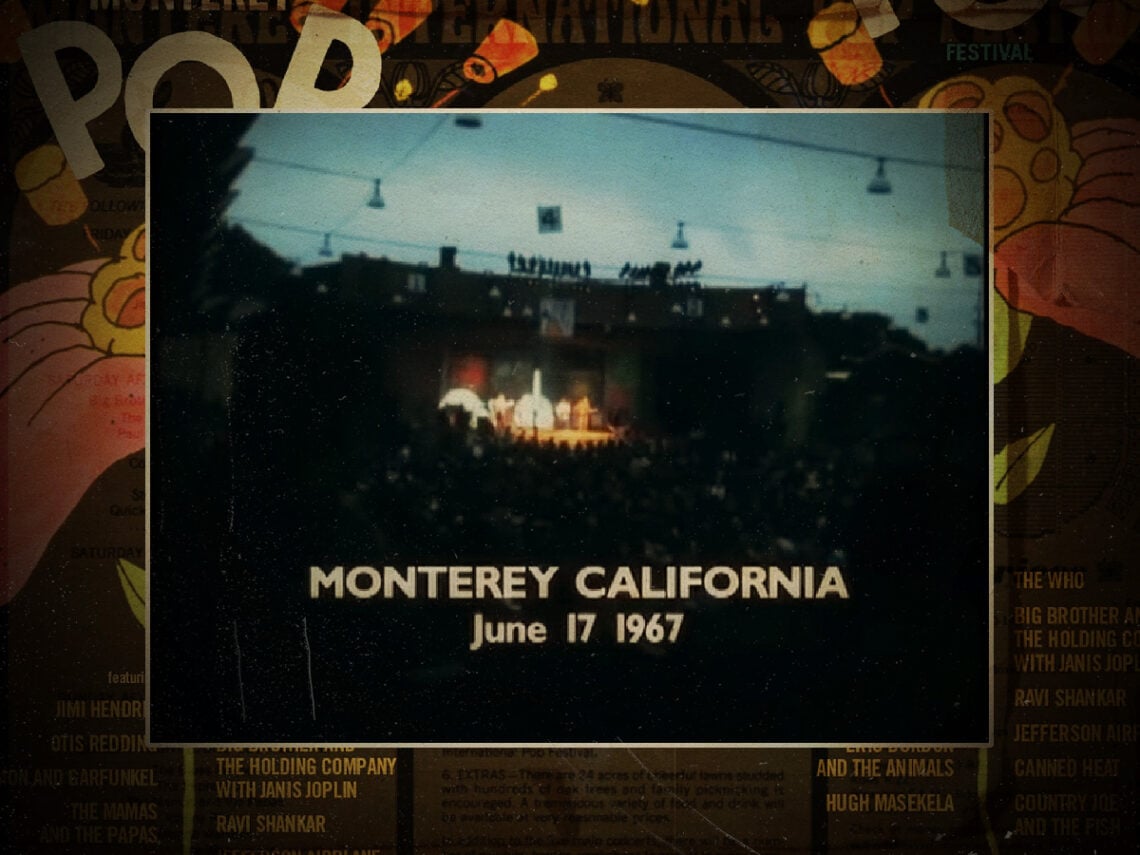
There was already some interest in the band, original Jefferson Airplane drummer Skip Spence bringing the band some eager attention as soon as they’d formed. Before long, The Frantics’ Jerry Miller and Don Stevenson had joined the group, and their eponymous debut album was barely out before joining the three-day Monterey International Pop Festival programme across June 1967 in California, one of the foundational music happenings of the decade that would inspire the mythic Woodstock two years later.
Lumped with opening the Saturday lot with some grumbling, Moby Grape performed what was critically thought to be an underwhelming show, and even left off DA Pennebaker’s Monterey Pop film due to legal disputes.
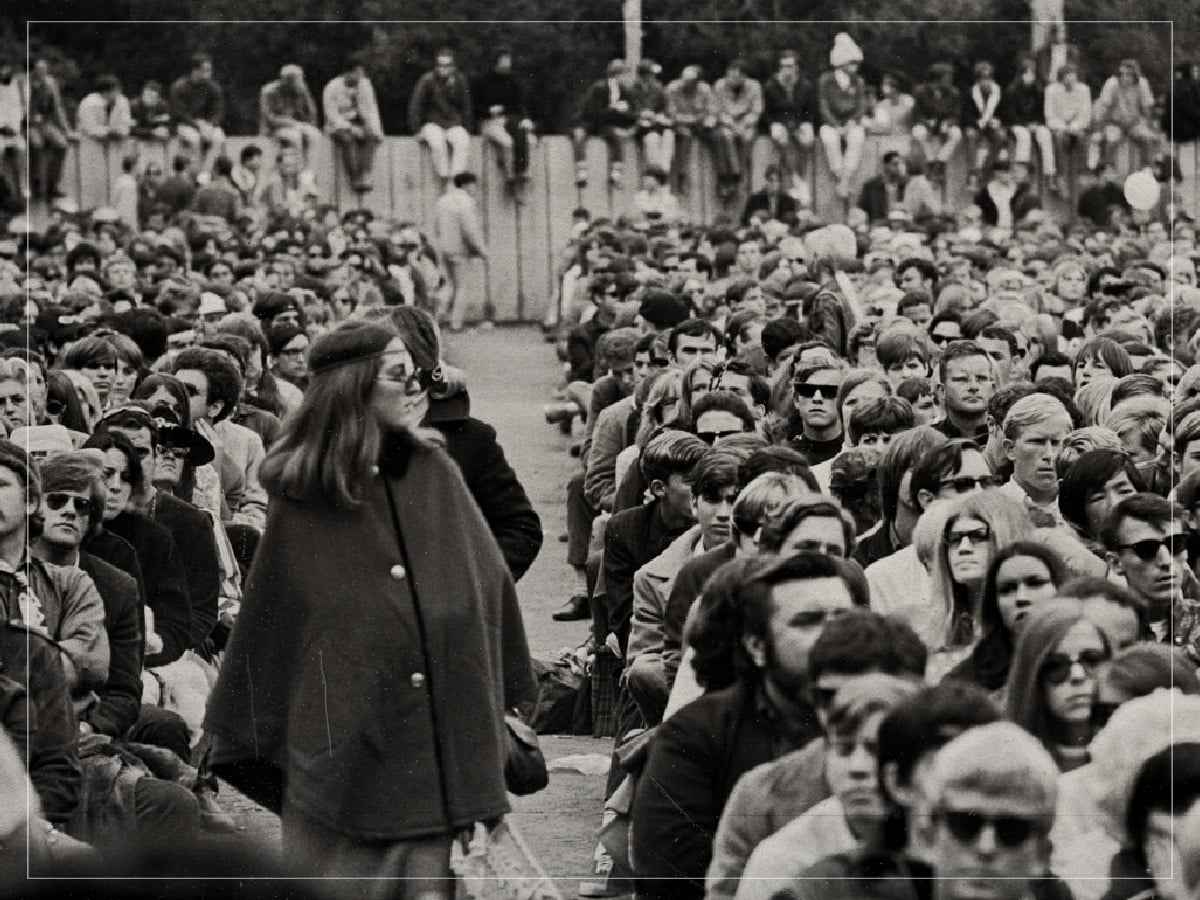
Not letting such hiccups get in the way of otherwise enjoying the jamboree, Moby Grape took themselves to see Jimi Hendrix’s storming set, hanging out backstage with The Rolling Stones’ Brian Jones around the set. Despite gigs from The Who, Janis Joplin and Ravi Shankar, one upcoming name from the Stax soul world would truly strike Miller as possessing just such raw power as the Experience, but in a completely different fashion.
“I saw Otis Redding deliver,” Miller recalled to Goldmine in 2024. “What I saw that night was Otis turn that great big place into a living room. That’s what you want to do. Jimi played for the big place and filled the big place up. But Otis, earlier, when he got up there, he turned the big place into a living room. And it was that intimate. That’s what you call an artist that can bring it all in. I had never seen anything like it.”
Even Redding’s backing band spelt a mesmerising aura for Miller: “Booker T and the boys, [Steve] Cropper, [Donald] Dunn, [Al] Jackson, were so familiar with the material they set it all up. Just magic. From every place in the whole area, it was good to hear, and no one yelled. Cropper was always so clean and fine. And the band was always so clean and fine, yet soulful. Those tunes are classics. Cropper’s guitar playing is beyond reproach.”
While Hendrix’s flaming guitar antics seared themselves into rock lore, it’s Redding’s electrifying performance on Saturday night that has arguably been elevated to near mythos, whipping the rock-leaning crowd to an almost spiritual fever, and gleaning many soul converts there and then.
So seismic in bridging the musical and racial gap, Redding was included on the second side of 1970’s Historic Performances Recorded at the Monterey International Pop Festival, standing tall aside Hendrix in forming the festival’s enduring legacy.
