


“Very smarmy”: The yacht rock icons Phil Collins couldn’t stand watching

Making it in music is often down to luck (and ‘the look’). This is something Phil Collins has always been wary of.
It’s hard to make a great first impression when it comes to the music industry. The whole point in anyone getting a record deal comes down to how they sounded, looked and behaved within the first few minutes of meeting with a label, and even then, it’s hard to maintain that kind of rapport for months or years at a time.
While it’s a different kind of language when talking amongst musicians, Phil Collins did have his fair share of reservations when working with some of the biggest names of the time. He sensed there was a game being played, and he didn’t like it, commenting, “I’ve been taken less seriously because I’ve been more popular – I’m cast aside as some sort of Barry Manilow. I find it frustrating.”
Granted, Collins was always the kind of person who seemed comfortable in his own skin rather than relying on backing musicians or critical praise. He had supreme skill. No one gets to the point where they can play tracks like ‘Supper’s Ready’ in one sitting largely on their own without it.
Even when Collins started going out on his own with bands like Brand X or making his own solo music, he seemed to have a clear vision for everything that he wanted to sound like. Each of those visions were devoid of gimmicks and “smarmy” pretentious behaviour. Sadly, as MTV rose in popularity, this outlook was beginning to look outdated.
There was a lot more to the 1980s than the glossy sounds of prog-rock. The biggest names in the genre like Emerson, Lake and Palmer, were starting to fall behind, and even if Collins had never connected with those genre labels to begin with, he figured the next best thing would be for him to work with new textures, which explains why he made the kind of soulful tunes like ‘You Can’t Hurry Love’ or ‘One More Night’.
A band too arrogant for Phil Collins to possibly enjoy?
While there’s a legion of rock fans whose stomachs wretch at the mere sight of Collins making such music, it’s not like there wasn’t a market for it. And the former Genesis drummer would argue that he was filing into that market with the utmost sincerity and artistry. As he told David Sheff, “There’s a tendency for people to be cynical about popularity, like you’re appealing to the lowest common denominator, which is another term for trash.
“It’s an insulting attitude – insulting to the audience,” he added. But he also maintained there was a right way and a wrong way to go about populism. For years, there had been artists combining elements of soul, rock ‘n’ roll, and marketable posturing together, and by the time the MTV generation kicked into high gear, no one could do that better than Hall and Oates. They proved it with an insane run of massive hits like ‘Maneater’ and ‘Private Eyes.’
Given how Collins was working on covering his favourite Motown hits, making a record with the duo almost made too much sense. But it didn’t work out quite as seamlessly. Granted, all bands come down to personalities, and when the drummer first laid eyes on the group, he knew that he might be in for a bumpy ride if he worked with Daryl Hall.
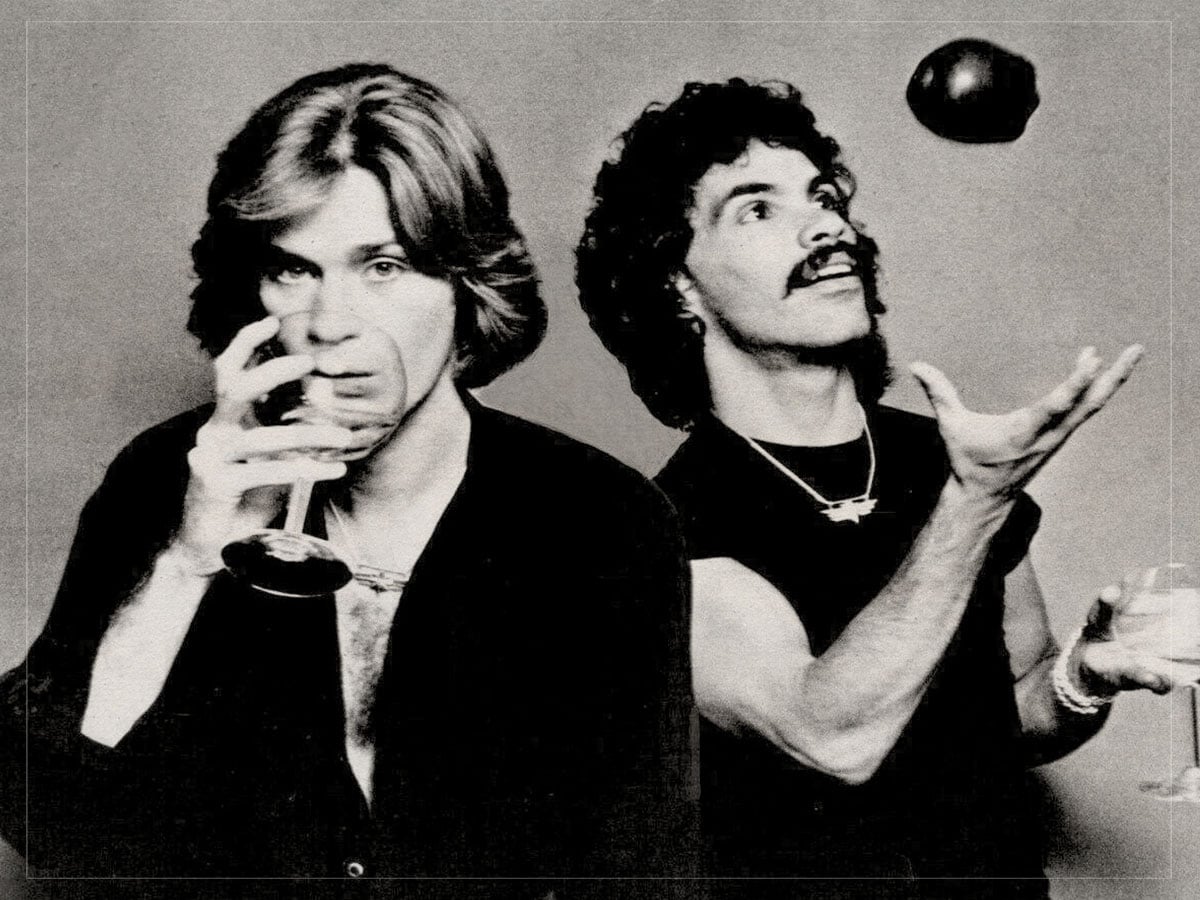
Despite having an angelic voice and fantastic keyboard skills, Collins remembered that his demeanour onstage was enough for him to question working with him altogether, saying, “Well, Daryl Hall and I have talked about – doing something – I went to see Hall And Oates at Hammersmith recently, and when I first saw him on stage, I didn’t like him, because he seemed very arrogant and very smarmy.”
Collins, with his deep craving for humility in music, was put off. He squirmed in his seat and considered putting the kibosh on any potential collaboration. Daryll Hall seemed to embody the ‘game’ that he hated in music. Yet, he decided to stick it out.
“I was pleased when I met him,” Collins continued, “Because he’s not like that at all.”
Even though the long-awaited Hall and Oates collaboration with Collins never came to fruition, it’s easy to see some of their influence rubbing off on Collins’s later years once he got over the “smarmy” hurdle. This was a few years before Invisible Touch transformed the group, but listening to some of the deep cuts on that record, tunes like ‘Anything She Does’ are like Hall and Oates if they were kicked up a few notches and sounded even happier.
As much as fans would have devoured any album that Collins worked on with Hall, it also would have been a double-edged sword. By the time the 1980s ended, the drummer had become one of the most overexposed artists of his generation, so did we really need another record of him showing how soulful he could be?
