


Artbox succeeds where the industry fails: The importance of accessibility for all in the artistic world

Let me talk to you about diversity in the art world.
Don’t let anybody ever tell you that diversity in art is a bad thing (or diversity in general, but that’s a bigger topic). This opinion is outdated and fundamentally wrong. And this isn’t me just trying to appease people either, as the fact remains, if art isn’t open to as diverse a crowd as possible, it isn’t doing its job.
Why do we put so much time, money, and effort into art? It seems silly from an objective standpoint, the fact that so much of our life revolves around music, TV, film and art, doesn’t it? Why do we care so much? Well, answer number one is because we like to be entertained, that’s a given, but on a much deeper level, the truth is that art makes the world less of a lonely place.
And well, even if you don’t live a necessarily lonely existence, the fact of the matter is that life, consciousness, a simple state of being, is inescapably lonely. You’re reading these words in your head and deciding whether you agree with them or not in the same place where the majority of the things you think about, the feelings you experience, and the decisions you make are all done in isolation within your brain.
Even if you’re an open book, and you have no problem discussing the feelings you have with the people in your life, they still need to be experienced in isolation before they can be verbalised. The fact that your entire existence has to go through your head before it can be committed to the rest of the world makes said existence, unescapably, lonesome, and while art doesn’t combat that, it does make it slightly less so.
The true purpose of art highlights the importance of encompassing a mix of voices in both its creation and consumption to bolster accessibility. Everyone has a different story and background, and they face varying challenges that lead them to view the world in a myriad of ways, so when the artistic industry is diverse and accessible for all, you increase the amount of voices which occupy space, making different works relatable for more people, making worlds less isolating, and ensuring art is well and truly doing its job.
It’s for this reason that Artbox was founded by Madeline Alterman, and it’s an organisation that opens up the artistic world to people with learning disabilities and autism. For many, the arts remain completely inaccessible, both on a professional and amateur level, which leads to the benefits that can come with it going unrealised.
“In many ways, the artistic world has historically failed people with learning disabilities and autism, largely through systemic exclusion, lack of accessibility, and minimal representation in professional arts spaces,” explained creative producer, Jonathan Small, adding, “Traditional arts institutions have often overlooked the talents of neurodivergent and disabled artists, limiting their opportunities to engage, develop skills, and gain recognition.”
The idea that art could potentially be limited to one specific group of people goes against the reason it’s so important to us in the first place. Not to mention, by excluding certain groups, the consumer is potentially missing out on awe-inspiring art.
“At a broader level, Artbox challenges dominant narratives about who can be an artist,” said Small. “By showcasing high-quality work from neurodivergent and disabled creators, the organisation increases visibility, representation, and respect within the cultural sector, helping to shift societal attitudes from limitations to potential.”
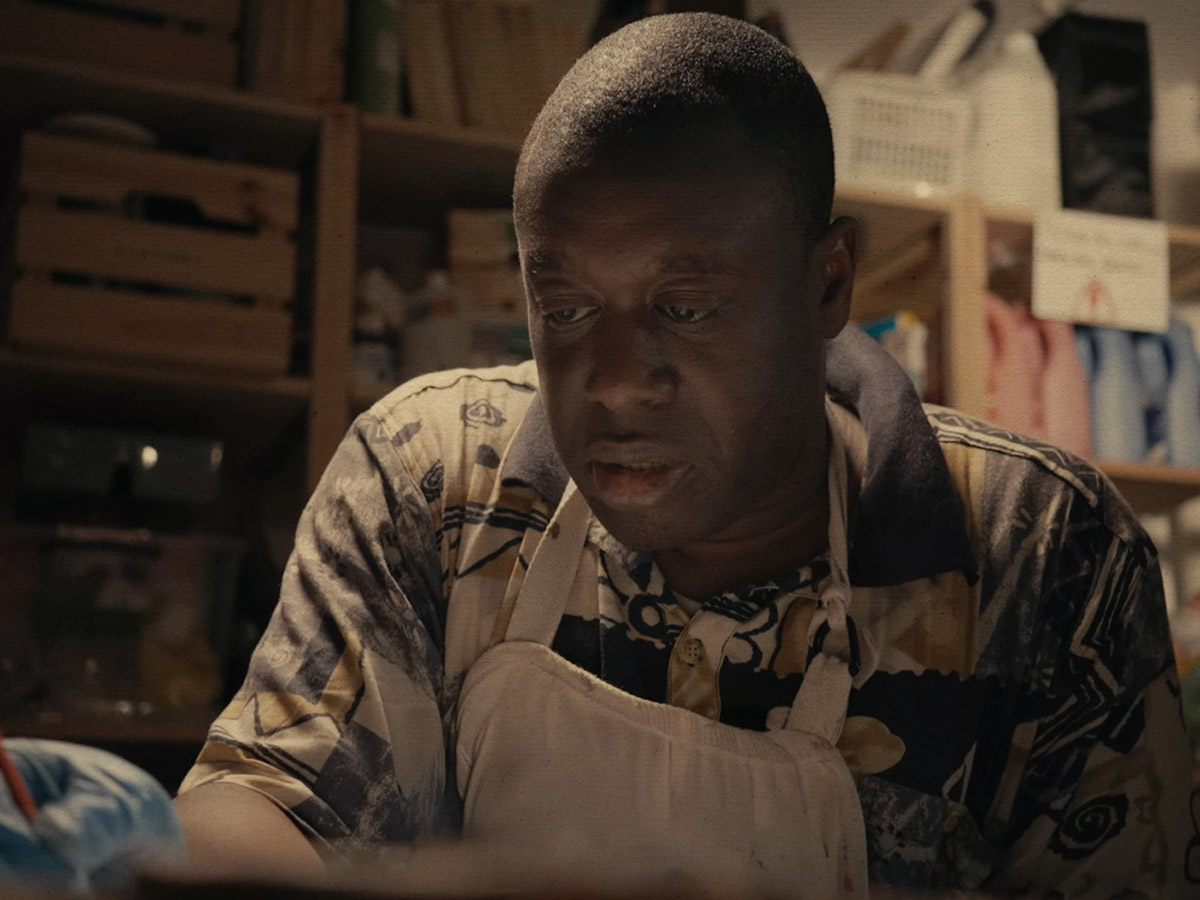
Alterman’s idea for Artbox is based on her personal experiences with the inaccessibility of art. Her younger brother has learning disabilities, and through her connection with him, she realised how little space there was for the neurodivergent people to express themselves in the artistic world.
“With a background in art and psychology, along with experience in the charity sector, she envisioned a space where individuals with learning disabilities and autism could express themselves, develop skills, and gain recognition for their talents,” elaborated Small, noting, “The initial idea for Artbox London grew out of an art class Madeline ran for people with learning disabilities. Seeing the impact of creative work, she recognised the need for a dedicated studio and gallery where artists could create, exhibit, and sell their work, fostering both community and purpose.”
Artbox allows people with learning disabilities and autism to tap into their inner artist, and in doing so, find ways to express themselves, create something and find their voice. “With art, there’s no right or wrong way, no impossible skills to master,” said Small. “It’s about expressing something inside us, which is something everyone is equally capable of. Making art is a great way to express yourself, to say something about your experience of the world and turn it into something beautiful for other people to see. It’s also very good for wellbeing, helping us relax, focus, unwind and let go of our worries.”
If Artbox sounds like something you, or someone you know, might be interested in getting involved in, then there are a number of ways you can do it, as explained by Small below:
“People can get involved with Artbox London in several ways. You can volunteer in the studio, become a trustee to contribute at a strategic level, buy artwork to support the artists and spread the message, or work with Artbox through your company’s ESG initiatives. For more information and to get involved, visit https://www.artboxlondon.org/support.”
