


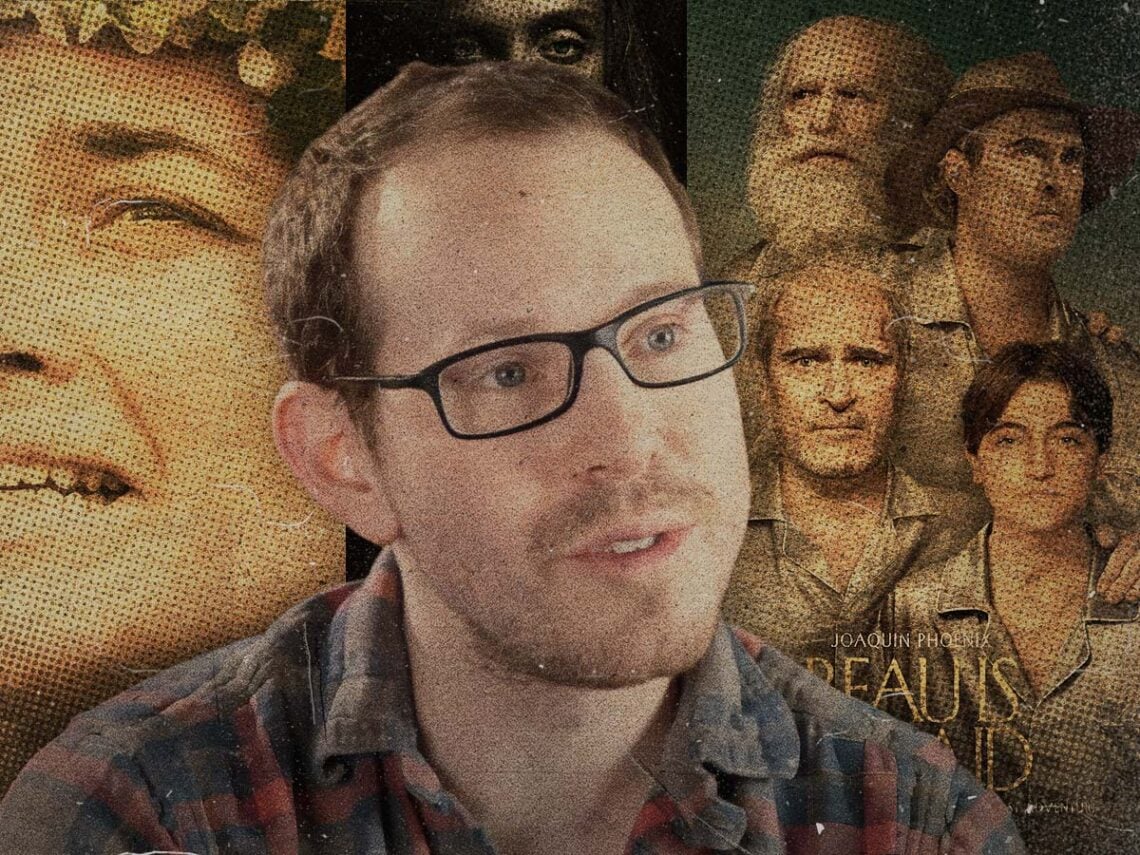
Ari Aster was “frustrated” that audiences didn’t love ‘Beau Is Afraid’

After making his debut with the electrifying demonic horror Hereditary, before following up with Swedish folk horror slasher Midsommar, director Ari Aster firmly established himself as a maestro of the genre and one of the key directors in the new cinematic movement being led by production company A24.
With his third film, however, the director attempted something different. Beau Is Afraid was an “experiment” that dabbled in familial trauma, grief and independence, all brought together under a loose category of ‘comedy’ and starring Joaquin Phoenix.
Despite the smash successes of his two previous movies, his 2023 three-hour genre hybrid failed to reach the heights of his earlier work, with Far Out questioning, “So what of it all?” Speaking during an interview with Vanity Fair, Aster opened up about his disappointment with the film’s reception.
“The film ends on a theater just very gradually emptying out over the credits, with a very indifferent audience. I wasn’t quite ready for just how prophetic that ending was going to be,” he said. “One thing that excites me about ‘Beau’ is that there are certain things that I buried in that film that still haven’t been talked about.”
Referring to the impact of early reviews and criticism, Aster explained, “I was kind of disappointed by the way people were maybe engaging with the film on first release because it was very verdict-based like, ‘Well, it doesn’t all work.’ It’s like, ‘Well, wait, what doesn’t work?”
The movie stars Phoenix as a nervous man-child wracked with anxiety who makes a strange, hallucinogenic, fable-like journey back home to attend his mother’s funeral. “The film is an experiment in so many ways,” the director said. “Even what he finds up in that attic is a very specific provocation. I’m deliberately blowing up the whole film. People talked about it as a letdown when clearly — yeah, that’s the joke! Interpret this, right?”
Speaking on the clues and symbols hidden in the movie, Aster said, “That’s frustrating because you take the time to put them there, and you wonder who’s going to catch them. When you make a film like this, it feels in some ways like you’re just pulling yourself inside out.”

Never Miss A Scene
The Far Out Film Newsletter
All the latest film news from the independent voice of culture.
Straight to your inbox.