


‘Apple O”: the 2003 album that saw Deerhoof playfully chronicle mankind’s creation and destruction

Music has always been a place for protest against malevolent forces that try to exert power over their subjects, but while some choose to take a more overt stance against evil in their art, others can choose to take a more oblique approach to expressing themselves.
It’s often said that the best art is meant to be challenging for those who are consuming it, and that it’s better not to have everything laid out on a plate for ease of understanding. Those who keep their cards close to their chest and deliberately obfuscate elements of what they’re trying to convey automatically force the audience to engage with the art on a deeper level, and therefore it becomes infinitely more rewarding once you’ve decided what your interpretation of the work is.
The early 2000s were, by many accounts, a confusing time. The music industry was in the early stages of going through one of its most seismic transitions, with the rapid digitisation of the medium posing new questions as to how artists would continue to make money while illegal downloading was on the rise.
However, in the context of world events, American President George W Bush was choosing to wage war in the Arabian Gulf for the second time in recent memory, continuing the nation’s history of involving itself in overseas affairs that were of little to no concern to them in the name of supposedly protecting the West.
Stranger still, San Francisco noise rock outfit Deerhoof had begun to garner a cultish fanbase, defying the expectations usually applied to acts from their staunchly DIY origins and transforming into critical darlings as a result of the free-wheeling experimentalism shown on their fifth album, 2002’s Reveille. Not wishing to rest on their laurels, the band immediately set about following up this chaotic LP with something more conceptual, more erratic, and most importantly, more political.
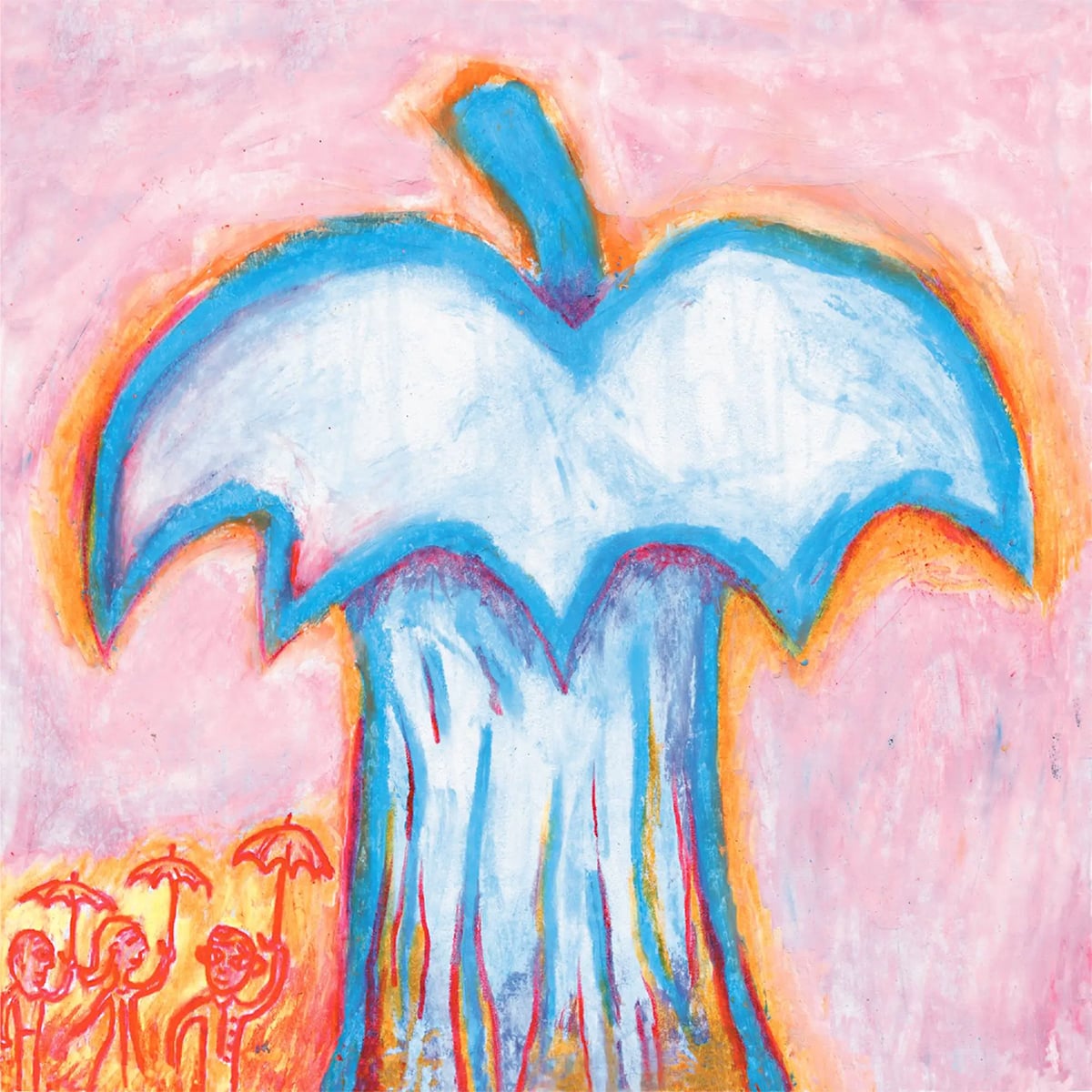
As irreverent as songs like ‘Panda Panda Panda’ and ‘Dummy Discards A Heart’ might seem, there’s an undercurrent of biting polemicist thought throughout 2003’s Apple O’, all raging at the mindless violence continually being committed by the US. In the years since, Deerhoof’s members have never been shy about using their platform as a space to speak out against genocide, capitalist greed and the concerning shift in favour of AI by corporations, but their sixth album was arguably the point where they became unafraid to express their politics through their music.
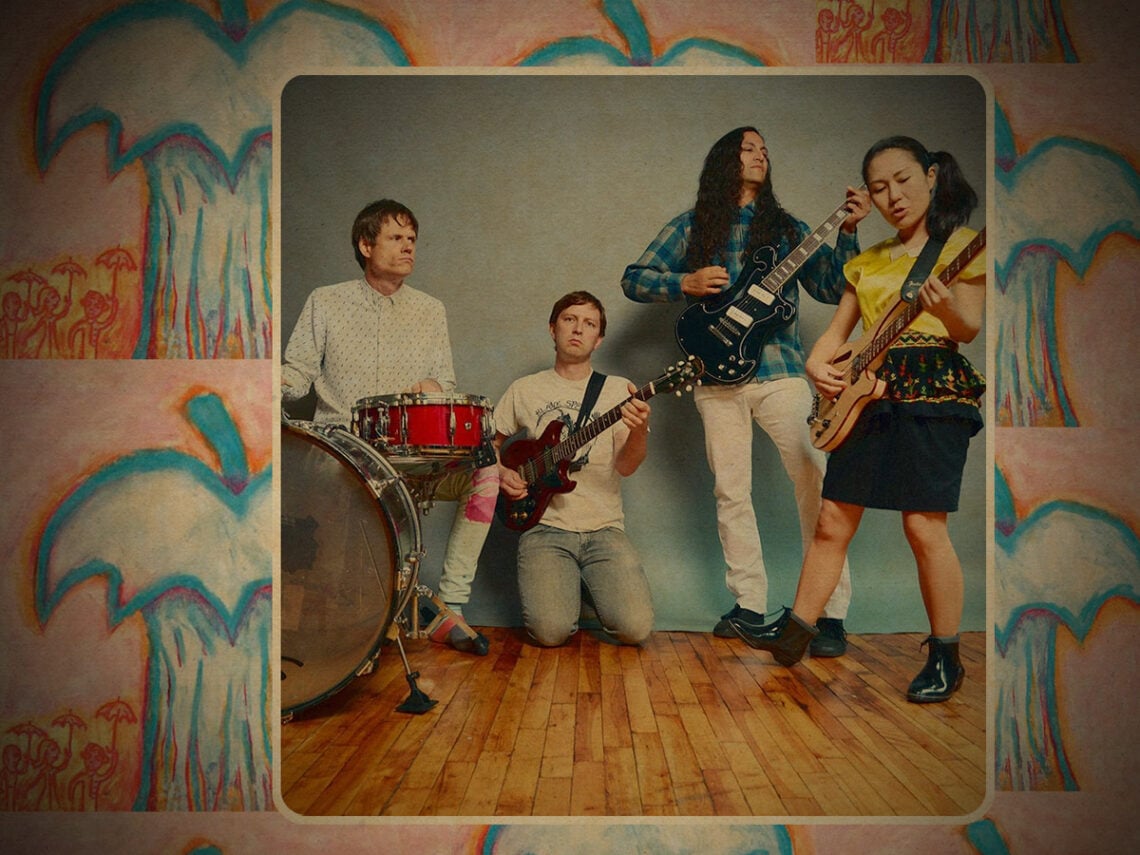
Satomi Matsuzaki’s cutesy vocal melodies imply that there’s a beauty and charm to be found in the world, but all around them are riffs and rhythms that are barely held together, with the guitar interplay of John Dieterich and Chris Cohen constantly in battle against the unruly drumming of Greg Saunier. Songs like ‘Sealed With A Kiss’, despite only using ten unique words, are clear in their message, calling citizens to “stop the man at the top”, in other words, asking them to depose war criminals disguised as leaders.
‘Apple Bomb’, meanwhile, is perhaps the most devastating and revelatory song on the entire album, with Matsuzaki choosing to demonstrate her anger and frustration through recurring themes of creationism and juxtaposing them with mankind’s insatiable desire for complete destruction. The lyrics and untethered violent explosions of noise tell both sides of the story, with her invoking generational trauma from her Japanese ancestors who were affected by the bombing of Hiroshima in 1945 and questioning why a God who created all men and women as equals would instruct us to commit such heinous acts of violence.
It might seem as though the most challenging aspect of Apple O’ is the frenetic nature of the music, but hidden deep beneath its spritely and saccharine exterior is perhaps one of the most incendiary and politically outraged albums of the 2000s. Deerhoof certainly weren’t playing around.
