


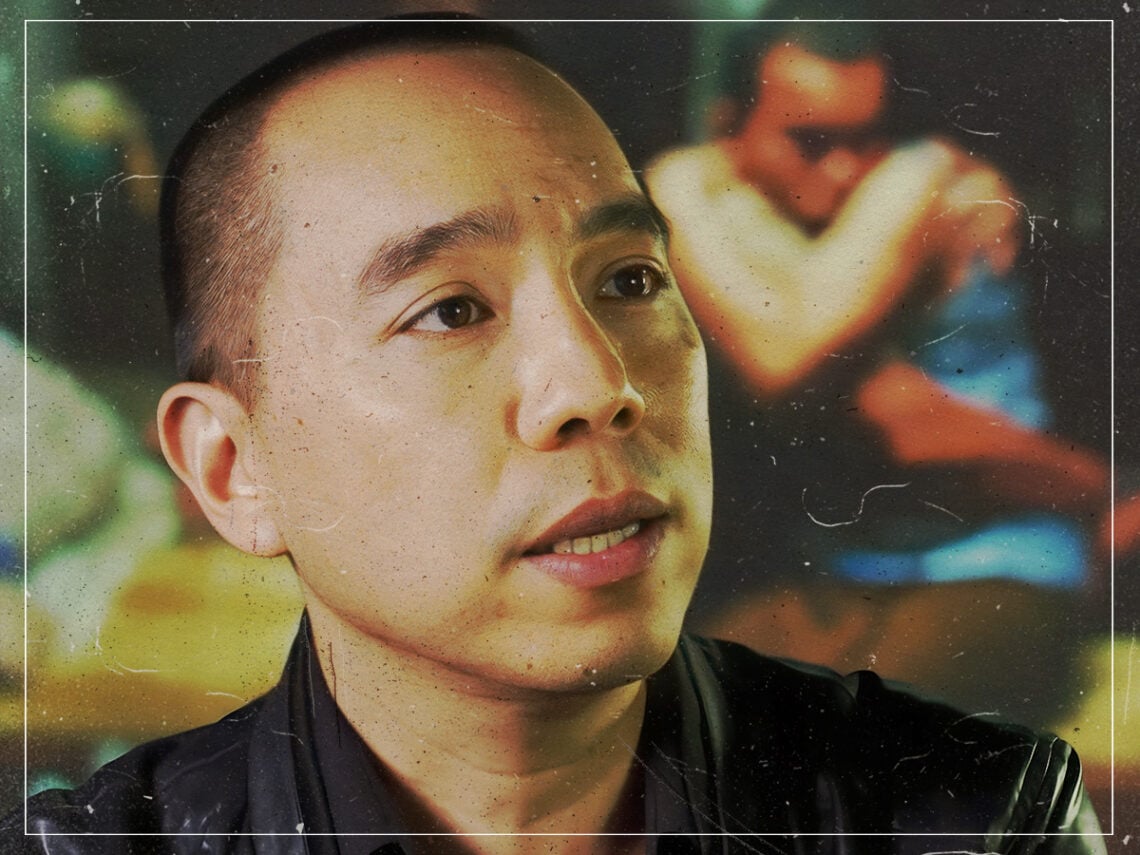
Apichatpong Weerasethakul names his five favourite movies of all time

When considering the most visionary filmmakers in modern cinema, we often reference Christopher Nolan or Denis Villeneuve, who have lit up the Hollywood screen with such epics as Oppenheimer and Dune: Part II. Yet, there are other visionaries who are pushing the medium even further. Just consider the likes of Jonathan Glazer, Céline Sciamma or Apichatpong Weerasethakul, whose films seem to create an entirely new visual language.
An acclaimed Thai film director and screenwriter in the world of arthouse cinema, Weerasethakul’s work has never truly entered the mainstream, operating in a dreamlike cinematic world that isn’t exactly straightforward to market. A deeply personal director, Weerasethakul won the Palme d’Or at the 2010 Cannes Film Festival for his mesmeric film Uncle Boonmee Who Can Recall His Past Lives and continues to be a regular fixture at similar events thanks to the baffling diversity of his filmography.
Heavily inspired by the wider world of arthouse cinema, Weerasethakul sat down with Le Cinema Club to discuss some of his all-time favourite movies and the ones that had a significant impact on his own career.
First on his list is the experimental feature Blue from the British artist and filmmaker Derek Jarman. The final film from the beloved filmmaker, Blue is a remarkable cinematic statement that uses an ingenious soundscape to explore the filmmaker’s inner thoughts and fears to the visual cues of a constantly blue background. Often considered to be one of the best British movies of all time and an exemplary experimental feat, there’s no wonder Weerasethakul is a fan of such bold filmmaking.
Weerasethakul’s next pick goes to a Palme d’Or winner and three-time Oscar nominee, Francis Ford Coppola’s 1974 film The Conversation. Directed by the master American filmmaker after he created the ‘Best Picture’ winner The Godfather and the same year he made its adored sequel, The Conversation is a tense drama that follows a surveillance expert spying on a couple who are due to be murdered.
The death of the cinema is a very real threat in the contemporary movie industry, with Tsai Ming-liang’s 2003 film Goodbye, Dragon Inn being one of the most poetic explorations of such an eventuality. Starring Kang-sheng Lee and Shiang-chyi Chen, the film tells the story of a Chinese cinema that is closing down, showing its final movie on a cold, wet night that brings a group of unlikely souls together.
Next, the Thai director chooses something from the illustrious career of the Iranian filmmaker Abbas Kiarostami, picking out his 1989 documentary Homework. Critical of its title, educational practice, Kiarostami’s film engages with a number of young students and explores with them whether homework is beneficial to their personal development, with the incessant need for study producing some darker truths.
Bruce Baillie’s 1971 hour-long film Quick Billy is the final film to grace Weerasethakul’s list, with the director truly flexing his arthouse muscles by naming a movie that is, by and large, unknown. Exploring the experience of transformation from birth to death, the documentary is considered to be a classic among the few who have seen it, yet the mystery and allure that surrounds the film should tell you all you need to know about Weerasethakul’s interests as a filmmaker.
Apichatpong Weerasethakul’s favourite movies:
- Blue (Derek Jarman, 1993)
- The Conversation (Francis Ford Coppola, 1974)
- Goodbye, Dragon Inn (Tsai Ming-liang, 2003)
- Homework (Abbas Kiarostami, 1989)
- Quick Billy (Bruce Baillie, 1971)
