


Why are anthology TV series returning?

The anthology TV series is making a comeback. In the days of The Twilight Zone, which originally ran from 1959-1964, these scattergun shows were all the rage. However, when the bankable draw of a serial drama came to the fore, the stand-alone episode format of an anthology show fell by the wayside. Now, however, the success of shows like Inside No. 9, Love, Death & Robots, Roar, Guillermo del Toro’s Cabinet of Curiosities and many more are ensuring that the format is making a comeback.
While the quality of those shows alone is undoubtedly a factor behind the revival, for years funding for anthology outings was hard to come by. This, in a way, was understandable. Firstly, the inherent hit-and-miss approach can impact returning audiences. They’re also harder to market. And perhaps most importantly, production is all the more painstaking with a fresh cast, crew, set, and everything else being renewed with each episode.
Thus, the fact that they are now being funded and new anthology shows are popping up all over the shop is not tied to the quality of a few trailblazing pioneers alone. It is equal parts to do with our changing lifestyles and tastes. In 1930, John Maynard Keynes put forth his confident theory that within a century, the working week would be a mere 15 hours owing to billowing economic growth. As it happens, we’re working more than ever, and the constant tether of phones receiving a stream of emails means that the proximity of work is a perpetual reminder.
So, when someone recommends a new series to you, and you inquire how many seasons are out, and they reply ‘three’, the daunting slog of wading through hours of the same thing proves perturbing. However, when they say, ‘Oh, it’s not really a series, you can just watch them in whatever order takes your fancy’ then the liberating thrill proves a boon that is hard to turn down. And in the case of Love, Death & Robots, the fact that they are only 10 minutes long adds to the appeal even more.
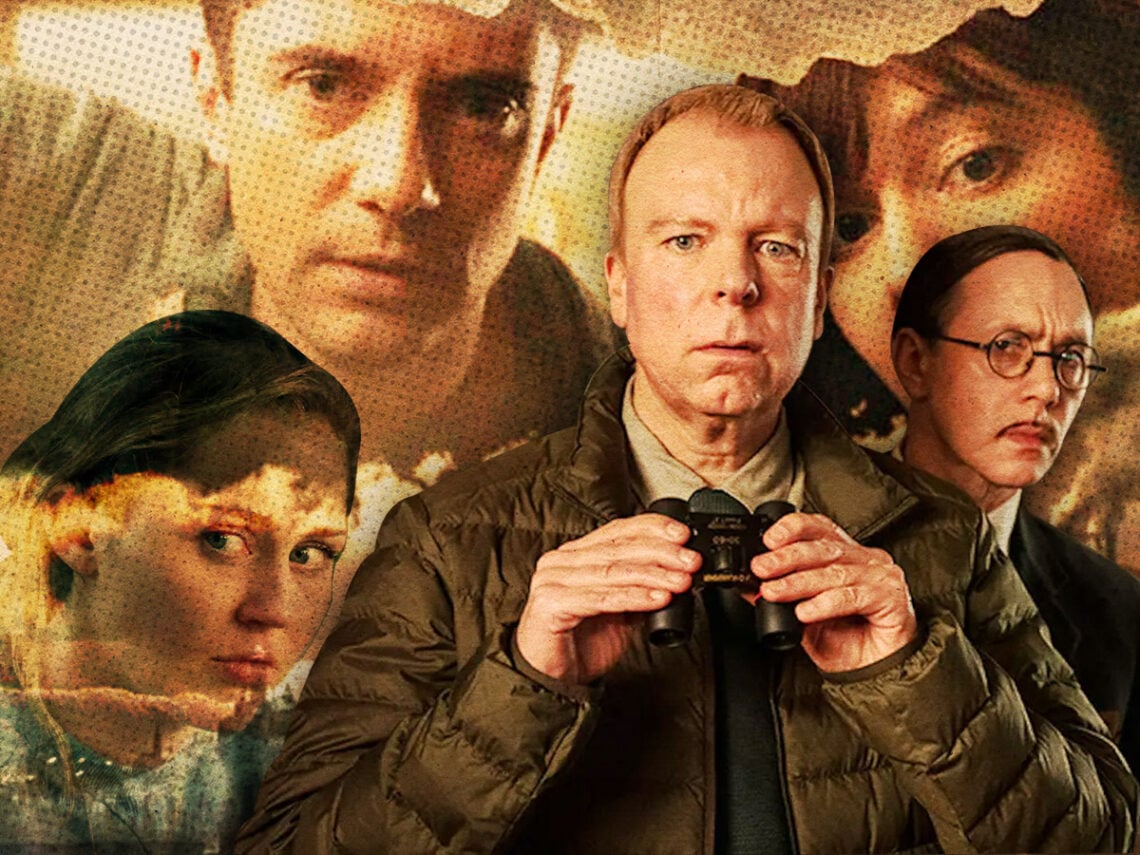
Beyond the draw of convenience, the magnificent Inside No. 9 also touches upon another key facet of the anthology series—they hark back to a time when TV was a watercooler talking point. If you meet a fellow fan of the show, then the discussion of ‘what’s your favourite episode’ will inevitably pop up. This almost makes the hit-and-miss premise of the anthology series a loveable charm. They are, by their very nature, a quick moving talking point—you’re not going to get a slow-going filler episode when the writers are ‘setting something up’.
This quick and painless basis is a boon bolstered immensely by the fact that the format forces considerable originality and ingenuity. The same will-they-wont-they arc that have been drawn out for eternity in traditional long-running series don’t apply. Likewise, cliched ‘please give us another season’ cliffhangers are null and void. And pointlessly platitudes such as convoluted backstories about the detective having their own weird and mysterious personal problems are abated for the more artistically challenging concept of making you care for a character in 20 minutes or so.
All of these factors have made modern anthology series not only a refreshing and creative realm tackling the regurgitated norm, but also a realm that fits the hectic zeitgeist and bombardment of entertainment we are subjected to like a slipper. If you just want a quick laugh in your free time on a Thursday night then fear not, Inside No 9, has got you covered; if you want to be temporarily spooked on a Tuesday, then fear not, Inside No 9, has got you covered; and so on and so on.
