


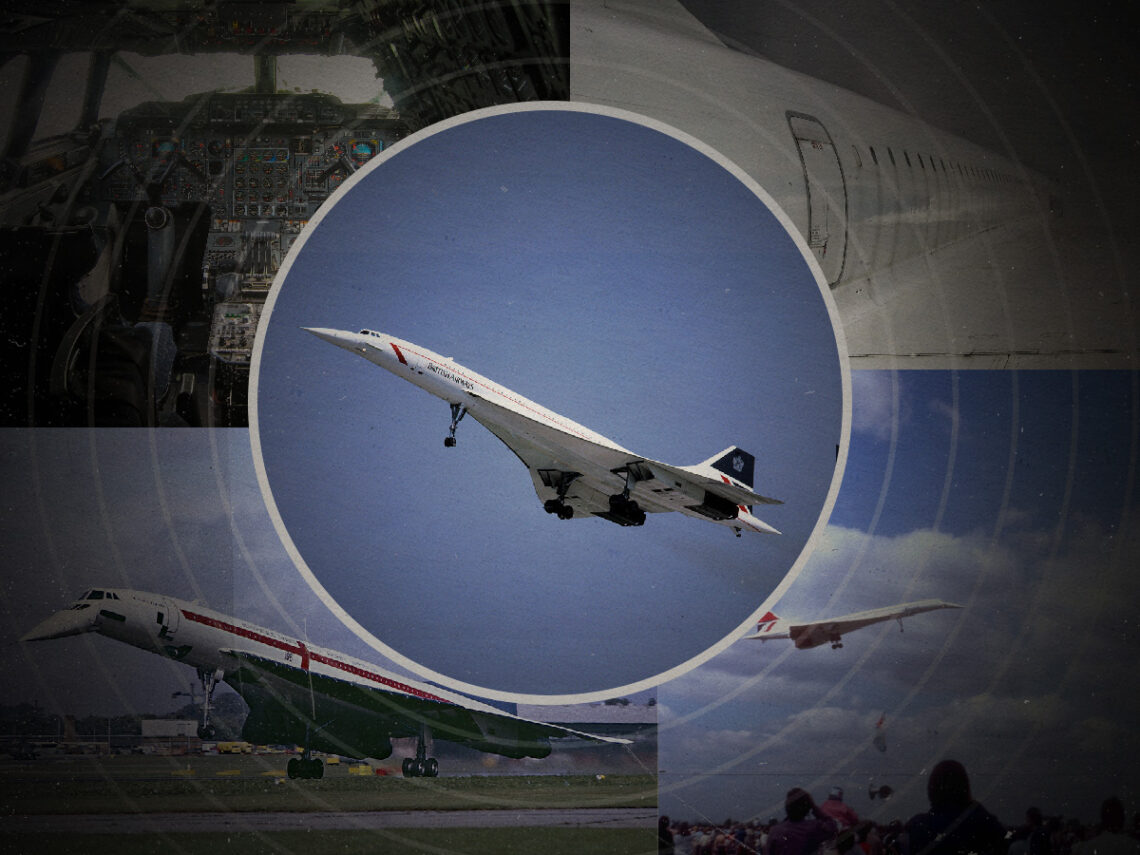
An Anglo-French icon: What the flying Concorde was really like

The great thing about technology is that it keeps improving. Our internet gets faster and faster, our phones can translate foreign languages in real time, and some genius even managed to invent the air fryer.
Sure, we also look back fondly on a more analogue era, the days before we knew what screen time meant, before we were forced to see AI slop, when we used proper film in our cameras and read books made of actual paper. But there are few cases where you can feel nostalgic for something from the past that was also more technologically advanced than what we use today. One example is the Concorde, an aeronautical icon that ushered in a new age of transatlantic travel before disappearing far too soon.
In the early 1960s, Britain and France came together to build a plane that could fly faster than the speed of sound, resulting in the Concorde, a beautiful, sleek plane that would end up cruising at twice the speed of sound. Its maiden flight was in 1969, the same year that The Beatles had their final public show, on a rooftop in London, with the ‘White Bird’ coming into service in 1976, just months before Apple was founded, and it ran until 2003. Only 14 aircraft entered service in that timespan, but each one was a marvel and a sign of Anglo-French cooperation.
It had two main routes, from London Heathrow to JFK in New York, and from Paris Charles de Gaulle to JFK, and occasionally ran other seasonal flights to Barbados or Washington at an incredible supersonic speed, which meant that travellers could cross the Atlantic and land in ‘the Big Apple’ within three and a half hours of departure, something that seems mind-blowing now.
I wasn’t fortunate enough to fly in the Concorde, but it sounds like a blast: the engine was said to have a deep roar, while the acceleration was intense, like putting your foot down on the motorway in a sports car, with John Tye, a former captain, describing it as “the roar of the Rolls-Royce Olympus engines, combined with being pushed back into your seat, was like no other civilian aeroplane”.
It wasn’t just the feeling of speed but also the height at which it flew, cruising at around 60,000 feet, which meant that passengers could sometimes even see the curvature of the Earth. It was said that the only people higher than the passengers were the astronauts on the International Space Station, with the sky, unlike what we see when we fly now, not blue but dark black, much like what you see when you view the planet from space.
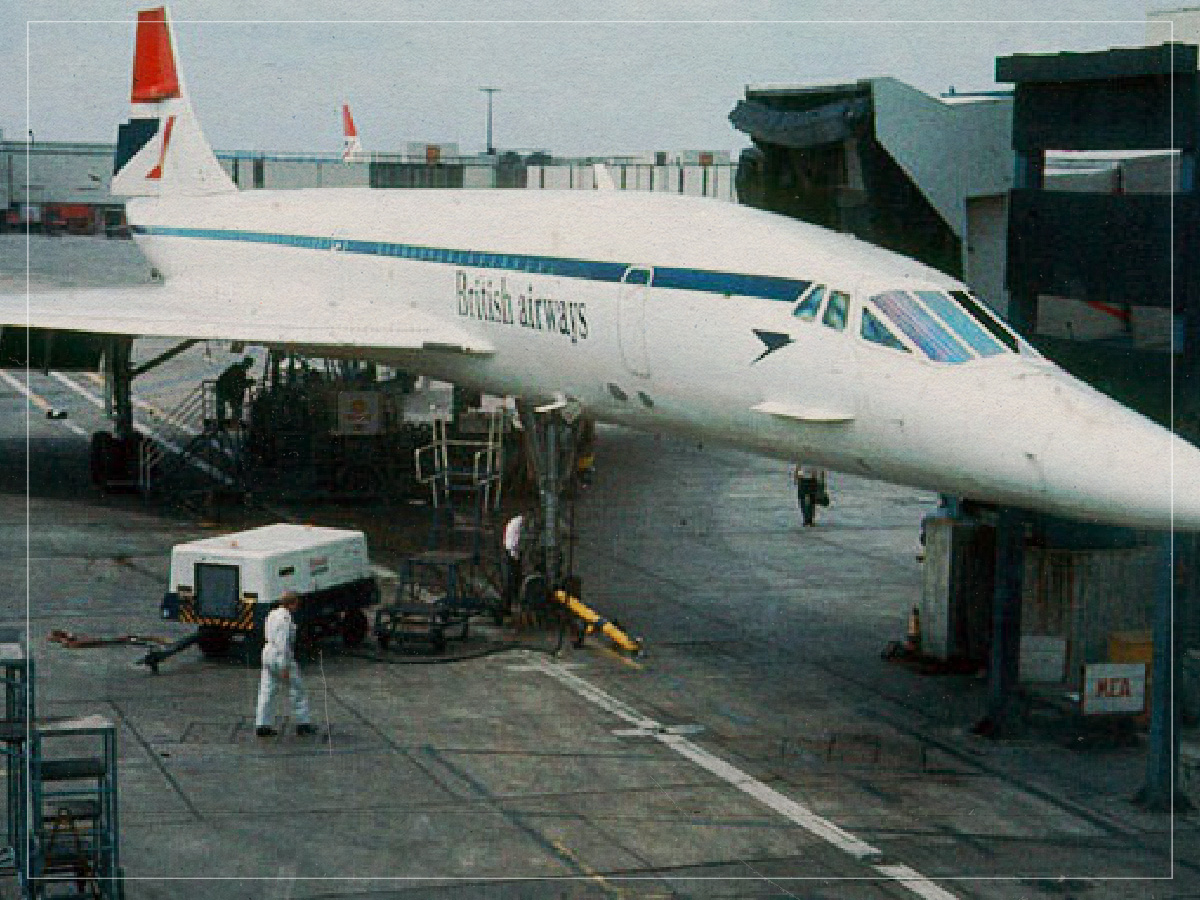
The journey itself really began on the ground, with the Concorde Room at Heathrow’s Terminal 4 said to offer true serenity and opulence, with the experience mixing the thrill of speed with the luxury associated with expensive air travel. Champagne was served, alongside caviar, and travel involved all the traits of fine dining. However, the cabin itself was narrow, less than nine feet wide, and you’d have to sit in chairs that, while comfy, were smaller and more bucket-like.
The windows were famously small, about the size of a postcard, which was down to the dangers of a blowout and loss of cabin pressure that bigger windows would increase, given the altitude. In fact, the windows could even be hot to the touch at times, thanks to the heat generated from the speed at which the Concorde travelled.
It’s no surprise that the costs were exponential, and so this was a journey usually reserved for the elite, with Sir David Frost flying across the Atlantic over 300 times, while Phil Collins used the plane for Live Aid, allowing him to perform at both the London and Philadelphia shows. A return from London to New York cost north of £6,000 during the final years of its operation, but ticket prices weren’t the primary reason that Concorde was forced to become a distant memory.
From a fuel perspective, it used five times what typical airliners needed, while the development costs of building these planes were also substantial, plus the fallout from 9/11 and the impact that it had on international air travel was a serious one, with the Air France crash in 2000 more so damaging confidence in the planes. Apart from increased operating costs, there was also the problem of the sonic boom, which meant that the plane wasn’t actually able to fly at its peak speed over land in most countries, thereby limiting it to fewer routes.
The Concorde presents us with an unusual situation in which the quality and possibilities of transatlantic air travel have actually regressed as time has passed, and now, in retirement, it will forever be a legend, a symbol of status, and a time when Britain and France were leading the world. For all the talk of costs, celebrity passengers, national pride and those rapid trips across the pond, they weren’t what really mattered, for as journalist Richard Quest said on its final flight, “It didn’t matter how famous you were, the star was the plane”.
