


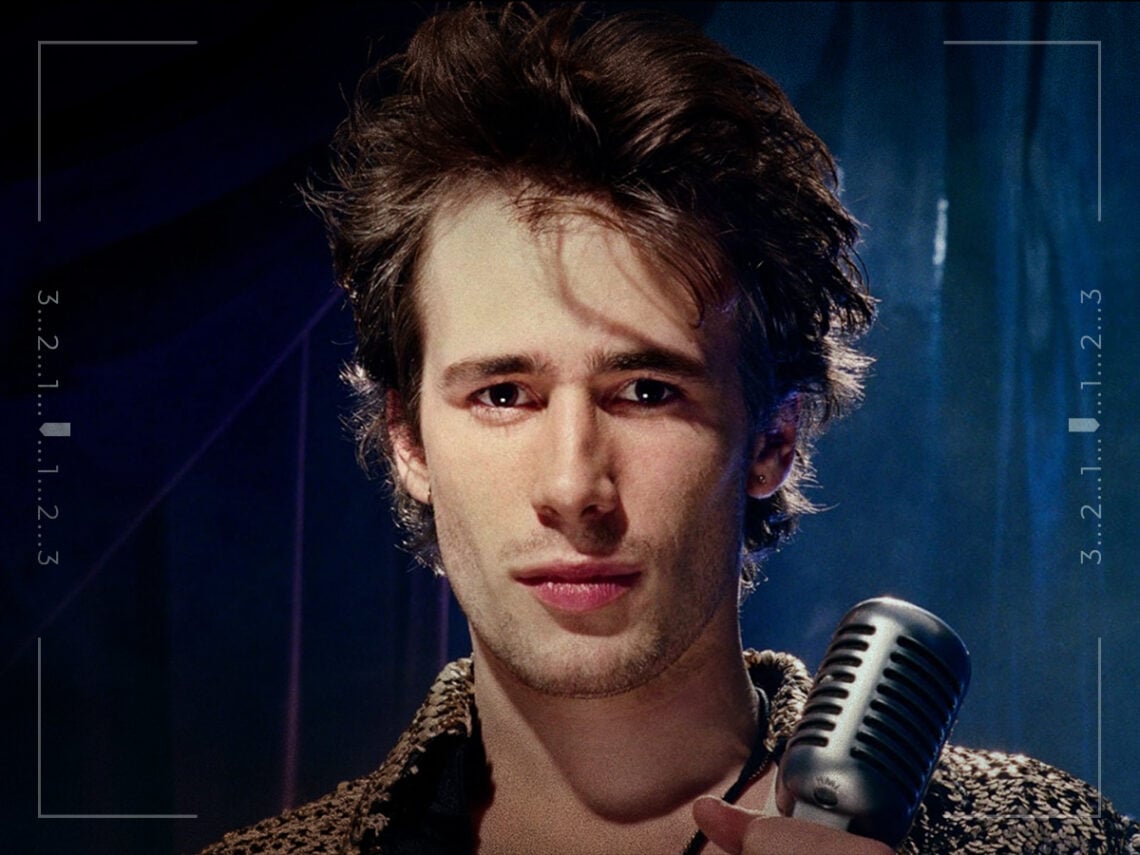
‘It’s Never Over, Jeff Buckley’ movie review: An intimate portrait of the icon as a person

Music documentaries are hard to get right, but music documentaries about artists who died young are even harder. It’s easy to fall into hero worship or mythmaking, exaggerating details to make the story feel more epic. But It’s Never Over, Jeff Buckley avoids that trap by focusing on one crucial truth: Buckley wasn’t really a star.
If there’s one thing that’s important to remember when engaging with any retrospective content about Buckley’s life and career, it’s this: he wasn’t there yet.
Sure, Grace was a huge success in Europe, and he was slowly getting bigger and bigger in America. He’d won fans in incredibly high places and was already earning the respect and reverence of some of his heroes. For anyone who had seen him live, all reports are that he truly was like some mythical second coming that left every single crowd utterly convinced by his greatness. But in terms of status, or stardom, Buckley was still rising. By the time he waded into Wolf River and disappeared, age 30, he was still climbing up. He wasn’t on top.
Director Amy Berg seems well-suited to tell this story, having explored similar territory with her 2015 film Janis: Little Girl Blue, about Janis Joplin. Like Joplin, Jeff Buckley became significantly more famous after his death, which makes it difficult to separate the myth from the reality. This new documentary is one of the few ever approved by Buckley’s notoriously protective estate, and Berg succeeds by focusing only on voices from people who actually knew him.
Music documentaries often begin with a long list of celebrity names. Directors reach out to anyone willing to attach themselves to a legend, filling the film with talking-head clips from people who never met the subject but claim to be influenced by them or to have a take. In this case, the only people invited to speak were Buckley’s friends, family and key collaborators, people who actually knew him.
In a post-screening Q&A, Berg said that to her, this film was “a mother and son love story from the beginning”.
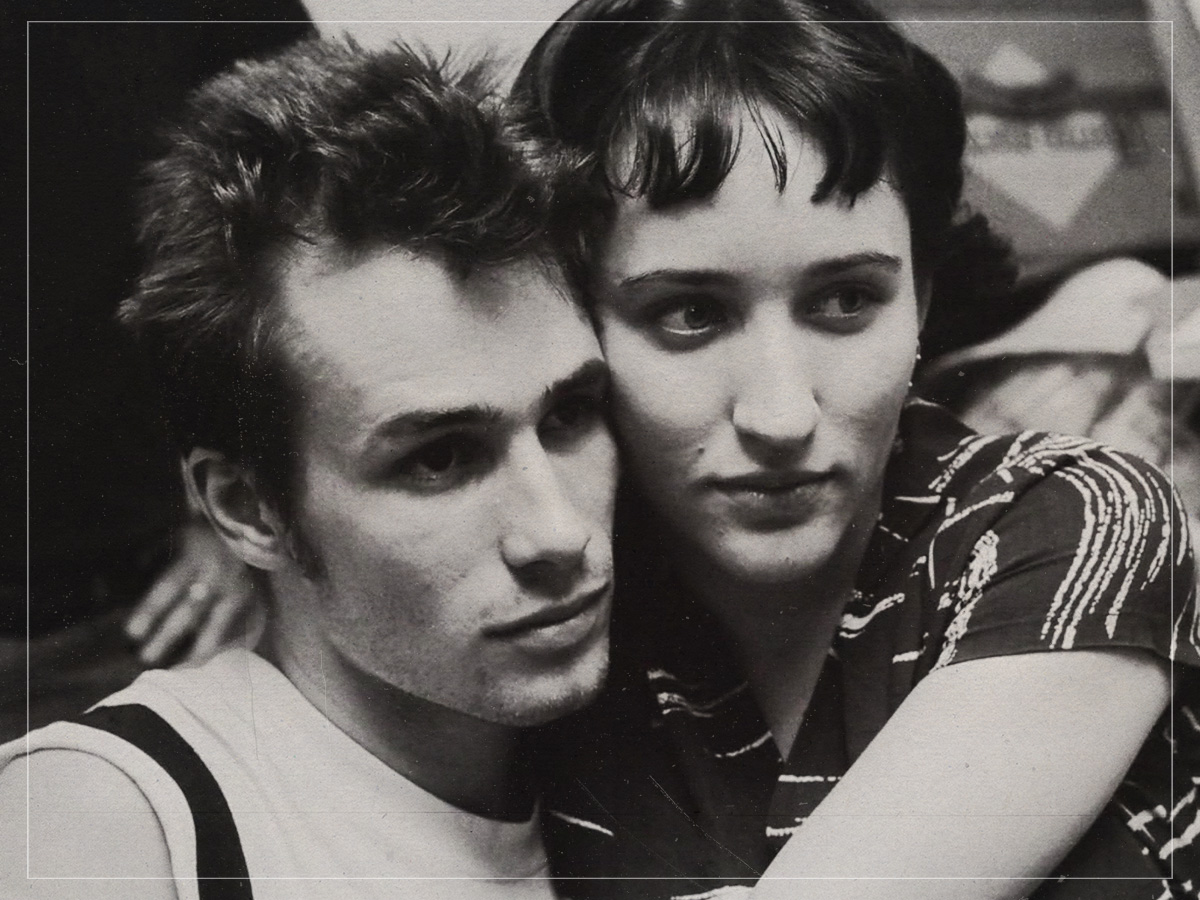
In her eyes, the key lies in exploring Buckley’s relationship with his mum, Mary Guibert, his childhood listening to music in their home, and the anchor provided by her love and encouragement. It’s a beautiful angle, especially given the music world’s obsession with tethering him to his father, Tim Buckley, and Jeff’s enduring rebellion against that. In one of the documentary’s sharpest clips, he states that the only thing he inherited from his father was “People who remember my father.” Crucially, Guibert is in charge of Buckley’s estate, and she is a fierce protector who rarely lets anyone into or anything out of his archives. Putting focus there is a smart way to get the rare greenlight.
However, while Guibert’s reflections throughout the film are obviously emotional and moving, the voice that felt most poignant and informative came from Rebecca Moore, the artist who was Buckley’s girlfriend throughout his early New York years, inspiring songs on Grace and then staying as an essential figure in his life until his death. It’s Moore that provides the key insight into Buckley’s mindset when it came to writing music, to approaching his record deal and navigating the pressures. It was also Moore that Buckley seemed most comfortable going to, as she shared voicemails from him from his darkest times, long after they split, still having the clearest insight into the way his mind worked, even during periods where they didn’t physically see each other.
Alongside insights from his last girlfriend, Joan Wasser, Berg’s decision to centre these romantic relationships might seem cliché, but it is actually kind of genius, getting to the heart of Buckley through his heart, and through his solid belief that “without ordinary life, there is no art”, and that being connected to others is essential to making anything. Even beyond the romance, further moving considerations come from Michael Tighe, Buckley’s bandmate, who makes the vital point that, really, while they all thought he was great, none of them in the moment realised quite how powerful what their friend was doing was – all of that comes in hindsight.
Instead, It’s Never Over does its best to stay as a portrait of an artist in the moment. It tries its best to be a snapshot of incredible new talent that becomes overwhelmed and unwell with the pressure. It tries to capture Buckley exactly as he was, which was this gifted man with such an impassioned love for music and so much fear about how he would ever live up to it on his second album. The talking heads all do that beautifully by sticking solely to lived experiences and memories of Buckley as a person first.
But if there’s anyone who lets it all down, it’s Berg, who can’t seem to shake off the tick boxes and clichés of a music documentary fully, falling into the basic, well-worn tricks and even the exhausted aesthetics of music documentaries with little animations and lyrics on screen and all those overdone details.
It didn’t need it all. Buckley himself was so charming and so talented that any archival footage is entertaining enough. Then, with the insight provided by loved ones, the portrait is full and introspective and moving. It’s delicate and loving, and it didn’t need the heavy hand of the classic documentary maker.
