


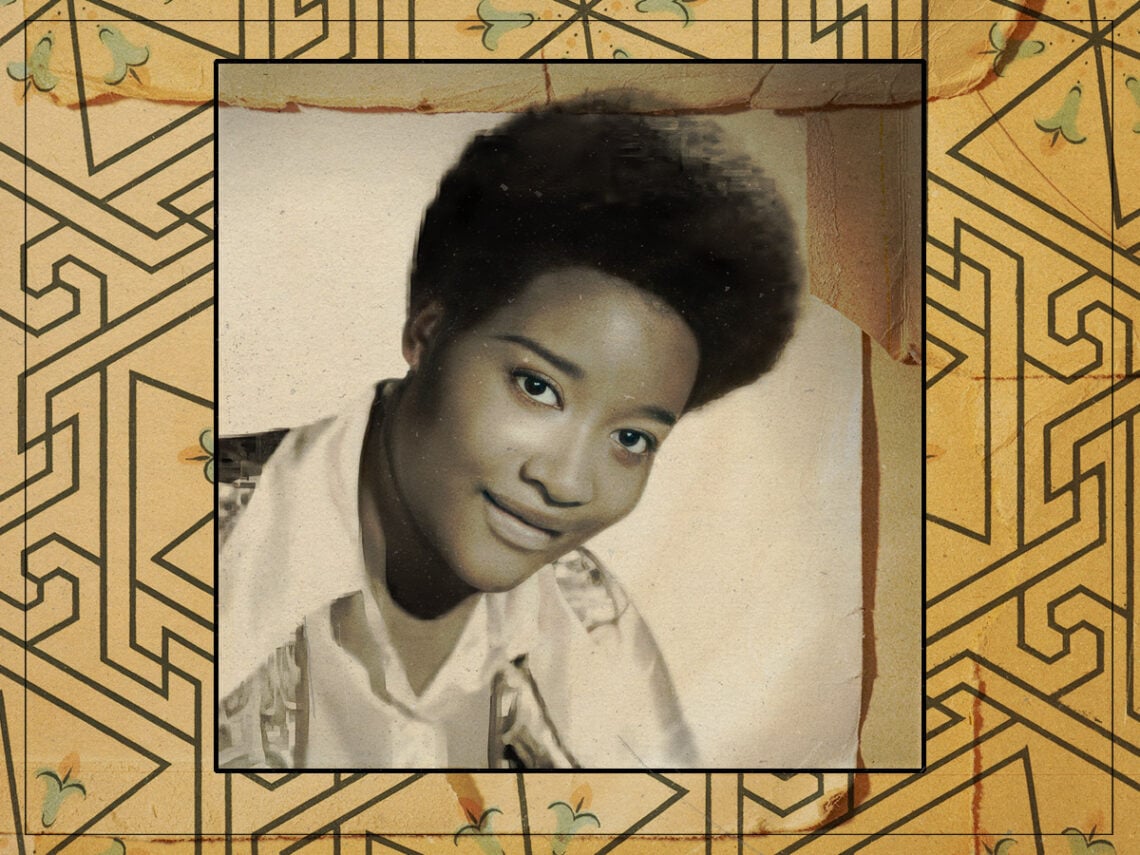
Alfreda Brockington: the underappreciated queen of Philadelphia soul

Soul music naturally lends itself to powerful vocalists. Aretha Franklin, Mary Wells, and Etta James are some of the names that, for many fans, define soul music. After all, soul has always been so much more than just another musical genre. As its name suggests, soul music provides a window into the soul of its artists and listeners. Those artists who were willing to bear their hearts and souls for audiences always stood out from the rest. However, the soul scene also produced a wealth of incredible vocalists who largely flew under the radar.
Formed from a blending of R&B and gospel during the 1950s, soul witnessed its golden age during the 1960s. Labels like Atlantic, Stax, and Motown were flying the flag for this revolutionary new musical style and finding an incredible degree of commercial success in the process. By the mid-1960s, the US singles chart was chock full of stars like The Supremes, Otis Redding, and Aretha Franklin. Soul was a huge power within the music industry, and countless artists and budding music moguls sought to take advantage of this vibrant new scene.
One such figure was Alfreda Brockington, whose powerful vocals and infectious grooves have made her a mainstay of rare soul circles and the northern soul scene for decades. Unless you are ingrained within the community of rare soul collectors, however, there is a decent chance that you have never heard the name Alfreda Brockington.
Countless soul musicians from the 1960s and beyond never made it to the charts; instead, they resigned to obscurity for most mainstream audiences. However, Brockington is a particularly interesting case. Her vocal style placed her within the realm of stars like Mary Wells, who witnessed a colossal career as a leading star of Motown and Atco Records, so why didn’t Brockington receive the same level of success?
Although she hailed from Philadelphia—a city that boasted its own incredible soul scene, dominated by funk influences and early incarnations of disco—Brockington took the majority of her musical influence from Detroit Motown. Berry Gordy’s label dominated the R&B charts throughout much of the 1960s, and the sweet sounds of artists like The Supremes, Marvin Gaye, and Stevie Wonder captivated audiences and artists alike.
Little is known about the vocalist’s entry into the music industry, there has been speculation that she might have been involved with fellow Philly soul stars The Brockington Singers, although this has since been disputed by an actual member of that outfit, Anna King. Either way, her first record, ‘Your Love Has Got Me Chained And Bound’, was released in 1969 via the legendary Philadelphia label Phil LA Of Soul.
The single failed to make much of an impact at the time for a multitude of potential reasons. For starters, interest in the Motown sound had begun to wane by the end of the 1960s; even Marvin Gaye himself started searching for a more prophetic sound. What’s more, the independent operation of Phil LA. Of Soul could not compete with the distribution budget of labels like Motown, Stax, or Atlantic.
Both her debut single and its 1970 follow-up, ‘You Made Me A Woman’, took major cues from Berry Gordy’s label, and both failed to make an impact on the musical mainstream. However, her incredible and underappreciated music lived on thanks to dedicated soul collectors and movements like northern soul in Britain.
Her discography is painfully small, but the recordings she made capture a specific moment within soul music’s development. With obvious influences of Motown and the vocal style of Aretha Franklin, her work is endlessly powerful, and recently uncovered tracks like the funk-heavy ‘Give Me What You’re Giving Her’ have a commanding groove which evoke an artist operating at a much higher level than Brockington was.
If she had been provided the same support as some of her soul contemporaries, she might have become one of the most lauded vocalists of the era. Instead, she remains in relative obscurity. Still, her flawless body of work remains an incredible reminder of her quality as a vocalist, and that voice can still command a dancefloor decades later.
