


Alfred Hitchcock’s ‘Rebecca’ ending explained: Has she possessed Mrs Danvers?

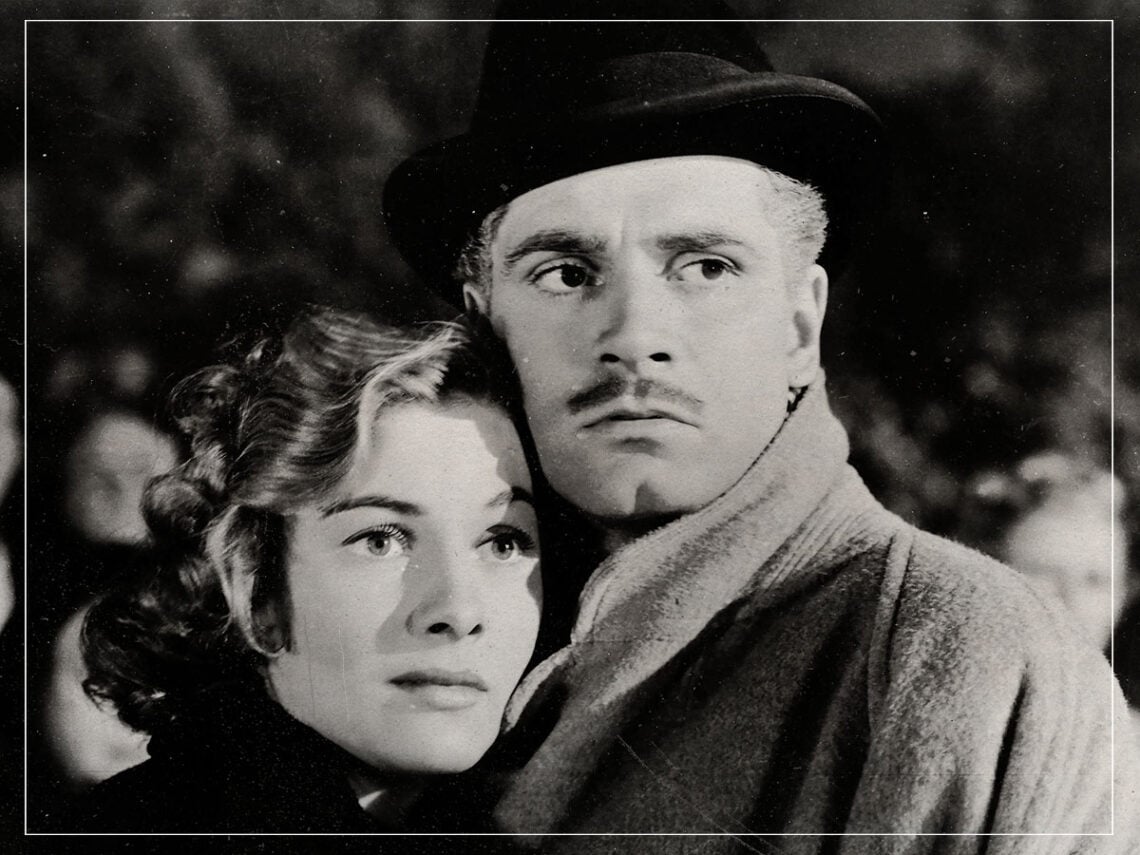
The first movie adaptation of Rebecca in 1940 is a classic in its own right, with Alfred Hitchcock helming the grandest production of his career to that point and Laurence Olivier leading the cast. Another performance stands out, though: Judith Anderson’s unsettling portrayal of Manderley’s housekeeper, Mrs Danvers.
Now one of the most iconic villains in cinematic history, Mrs Danvers has an obsession with the deceased Rebecca, making the haunting presence of Maxim de Winter’s first wife felt throughout most of the movie despite her non-appearance in physical terms. The housekeeper torments Maxim’s new wife, “the second Mrs de Winter”, as she calls her, making her feel like a stranger in what should be her own new home. “He doesn’t love you,” she says mockingly, “He wants to be alone with her.”
Mrs Danvers tricks Mrs de Winter into wearing a dress that makes her look exactly like Rebecca to a dinner party she and her husband are hosting at their stately home Manderley. Her appearance horrifies Maxim. “Rebecca!” one of the guests exclaims. “Go and take it off,” Maxim instructs his wife, still in shock. Through the actions of Mrs Danvers, Rebecca stalks her husband despite having died long before.
The titular character soon makes an appearance in body as well as in spirit, however, as her corpse washes up on the beach near Manderley. A police investigation ensues, with the previously recorded cause of death by accidental drowning called into question. Along with speculation that Rebecca committed suicide, Maxim becomes the prime suspect in a murder inquiry.
So, why does Mrs Danvers burn Manderley down?
Mrs Danvers becomes a key witness in the investigation since only she was party to knowledge about the doctor in London that Rebecca secretly visited on the day of her death. As she tells the inquiry, “I knew everything about her.” In fact, to avoid suspicion, Rebecca assumed the name of Mrs Danvers when she visited her doctor.
Rebecca’s lover, Jack Favell, tries to prove that Maxim killed Rebecca, demonstrating the motive that his wife had just told him she was pregnant with Favell’s child. Favell needs the doctor’s confirmation that this is the news he gave her on the day of her death, and only Mrs Danvers can lead the prosecution to the doctor in London.
However, the housekeeper scoffs at Favell’s suggestion that Rebecca is in love with him. “Love was a game to her, only a game,” she sneers. “It made her laugh, I tell you. She used to sit on her bed and rock with laughter at the lot of you.” Danvers was clearly incredibly close to Rebecca, to the extent that the latter had used her name and told her things she shared with no one else.
Some interpretations of the film have suggested that the reason we feel Rebecca’s presence so strongly through the behaviour of Mrs Danvers is that the former lady of the manor has possessed her housekeeper. Accordingly, Danvers sets fire to Manderley at the movie’s climax, as Rebecca is acting through her to prevent Maxim and the second Mrs de Winter from returning to the house.
On the other hand, there is a strong claim for a more physical explanation as to why Danvers is so preoccupied with the woman she served. There may well have been a sexual relationship between the two, or at the very least, a profound attraction towards Rebecca from Mrs Danvers’ sound. This theory explains why Mrs Danvers is so bitterly jealous not only of the second Mrs de Winter but of Favell.
As it turns out, Rebecca wasn’t pregnant at all. On her final visit to the doctor in London, he revealed that she had terminal cancer. She had even hidden this news from Mrs Danvers. When it’s relayed back to her, Mrs Danvers is so distraught at Rebecca’s secret, and at the idea “Max and that little bride of his will be able to stay on at Manderley and live happily ever after”, that she does the only thing left within her power.
The housekeeper burns her house to the ground, committing suicide and taking her memories of Rebecca with her, ensuring that no other Mrs de Winter will ever occupy Manderley in her place.
