


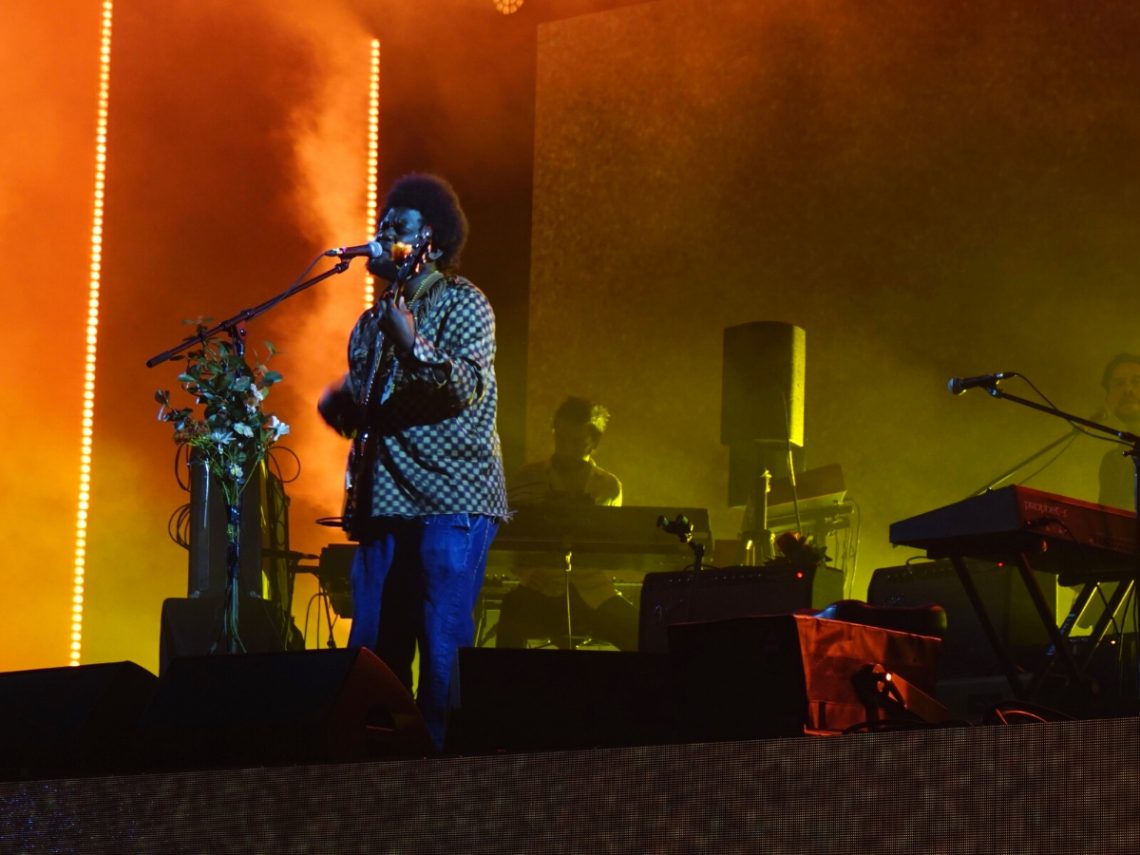
Three albums that inspired Michael Kiwanuka’s style

In the past decade, artists have increasingly blended styles in innovative and unique ways. One standout is Michael Kiwanuka, known for skillfully merging diverse influences into an eclectic yet compelling mix. He boldly crosses boundaries to create a sound that is distinctly his own. While rooted in rock and soul, Kiwanuka’s music transcends these genres, incorporating a rich tapestry of influences and creating something refreshingly unique.
A skilled singer-songwriter, guitarist, and producer, Michael Kiwanuka has carved out a distinctive career with just three studio albums to his name. His work spans indie, folk, soul, and various other textures, earning him global acclaim for his expressive music. Known for his enchanting vocal delivery and thoughtful compositions, his most recent album, 2019’s Kiwanuka, stands as a modern masterpiece. Filled with sincerity and spirit, it showcases his unique approach to the album format.
It was such a triumph that the record not only left fans hotly anticipating the follow-up – which still hasn’t arrived – but has prompted many questions of where he will go next, given that he pulled from such an array of spaces and sentiments with full effect.
It’s no wonder that Kiwanuka’s music is so multifaceted, given his wide-ranging influences. He has cited an array of notable names that have shaped his sound, from soul legends like Otis Redding and Bill Withers to classic rock icons such as Jimi Hendrix, The Beatles, and Pink Floyd. But his musical palette extends further to include grunge pioneers Nirvana, funk rockers Funkadelic, and pop masters Wham. With such a diverse record collection to draw from, Kiwanuka has solidified his reputation as one of Britain’s foremost boundary-pushers in music.
In 2017, not long after his acclaimed second effort, Love and Hate, arrived the previous year, an opus which, in retrospect, hinted at where he might head to on the Mercury-winning Kiwanuka, the Londoner spoke to Red Bull about his list of influences. While he had neither time nor reason to delve so heavily into his whole gamut of heroes, he described three of the most significant records in his life, and it was only natural that they were broad stylistically.
The first was the 1996 Nirvana live album, From the Muddy Banks of the Wishkah, comprised of performances recorded between 1989 and the trio’s final year, 1994. Compiled by bassist Krist Novoselic, who also penned the potent liner notes, it’s a career-spanning collection that sketches just how far the grunge legends came in such a short period.

Kiwanuka explained that although he owns the album on CD, he initially listened on tape. It was instrumental in his life and development as a guitarist: “It was the first introduction I had to Nirvana really…before I had any of their studio albums just when I first started playing guitar.”
There must be something about Seattle that appeals to Kiwanuka. The second album he named also made sense, given his passionate music and approach to the guitar. It was Are You Experienced, the 1967 debut album by The Jimi Hendrix Experience. The moment the pioneering guitarist exploded onto the scene, it changed the rock landscape forever.
Although Kiwanuka said the choice was “probably an obvious” one, it confirmed to him that he wanted to make music when he was young, an experience – no pun intended – that the album has on legions of fans. He described it as a “big moment for me” and said: “The vocals on ‘May This Be Love’ and some of the ballads are beautiful and the sound of the whole record is just amazing.”
Offering a counterpoint to the rock was Kiwanuka’s last choice, Kendrick Lamar’s 2015 masterpiece, To Pimp a Butterfly. Ostensibly a hip-hop effort, the record altered modern rap’s character by incorporating jazz, funk, soul and other textures while brimming with personal commentary describing racism, mental health and African-American culture.
The record influenced Love and Hate, Kiwanuka said, and while a contemporary classic, it also reminded him of an important part of himself. He explained: “The feel and the lyrics of the album reminded me of my love for ’70s soul and the music sounded like an update of that. It also reminded me of my favourite Funkadelic or Isley Brothers records but it was like, this is the way you can do it now.”
