


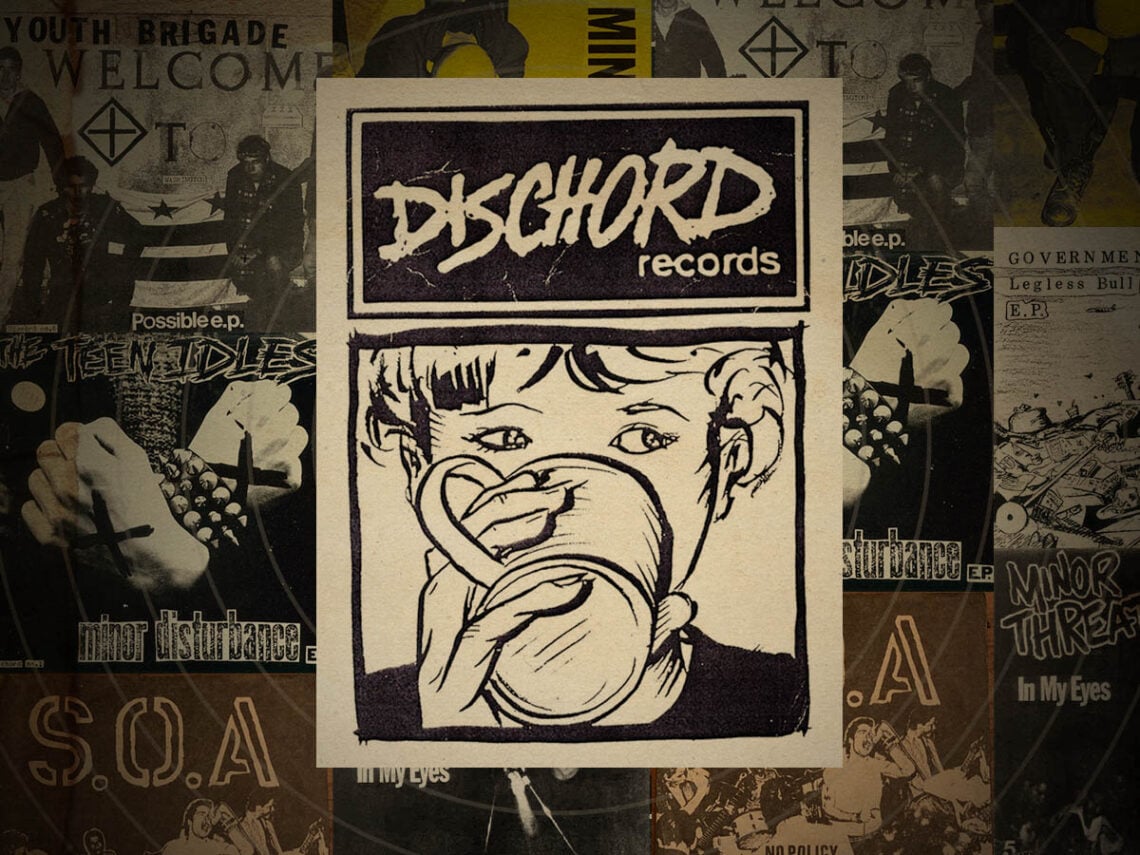
The albums that started the Dischord movement: “We decided to do it ourselves”

Who would have thought that a musical movement would begin with a band breaking up? You don’t hear it much, but that’s what happened with Dischord Records and Ian MacKaye.
Teen Idles had played 35 shows by the time they decided to call it a day. They had played plenty of gigs, delivering stellar punk rock to any crowd that would listen, but after a while, they decided it was time to stop. While most bands break up because of problems with money, the way that Teen Idles were able to split their earnings when parting ways was incredibly amicable.
This unknown punk rock band wasn’t paid a great deal for their sets, but every penny they got, they decided to stash in a cigar box and put to one side. With the band looking to stop performing, they agreed it was time to divide up the money among each member. When counting it out, which came to around $600, they opted to use it to record an album instead of blowing it on clothes, booze and whatever else took their fancy.
The album wasn’t being made in a last-ditch effort to garner more fans; the band was definitely splitting up, but they wanted a physical and permanent representation of their time together. “It was clear from the beginning that no label would be interested in putting out a Teen Idles record,” said Ian MacKaye when discussing the band’s decision, “Particularly since we were no longer a band, so we decided to do it ourselves.”
The album was recorded as a seven song EP called Minor Disturbance which captured the band’s unwavering punk rock aesthetic incredibly well. This was the album that started everything. They put the record out on their own label called Dischord Records, which they didn’t intend on becoming its own fully-fledged record label, but was instead just a fun one-time release. However, as the punk scene continued to grow, and local bands became more interested in recording and releasing their own punk offerings, MacKaye thought the label could have more longevity than that.
There were plenty of punk bands who were keen on working with Dischord, including the likes of Minor Threat, Government Issue and Youth Brigade, but money wasn’t readily available. Minor Disturbance was selling well, but it wasn’t bringing back quite enough to pay for another record. A budding band, S.O.A., opted to pay to release their record themselves, and ended up putting together a ten-song EP, No Policy. This album equally did well, and with both it and Minor Disturbance bringing in cash, plenty of the other punk bands suddenly had the chance to lay down some of their singles and begin making a name for themselves.
It was these two albums that officially started the Dischord movement and gave the label some official room to grow. The raw punk sound remained, even as the label grew, as a number of band members moved into a small house in Arlington, Virginia, so that they could make practising and recording a full-time job. The spirit shown by those bands involved is the perfect representation of the punk movement, as artists found the ability to create despite odds being stacked against them.
No matter what the state of music is, or what circumstances surround bands, the punk mentality will always find a way, as the Dischord movement so wonderfully shows.
