


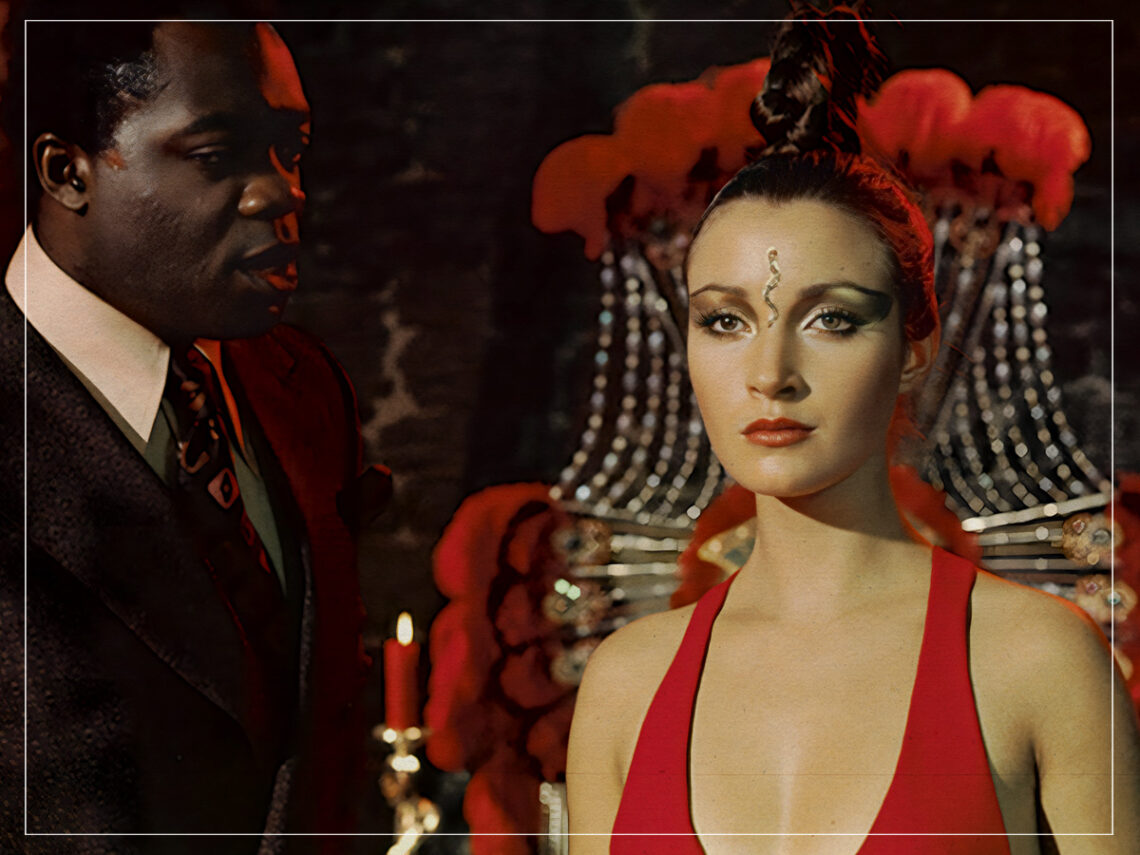
The Harbinger of Eerieness: the albums recorded at Jayne Seymour’s house

The walls of St Catherine’s Court in Somerset have witnessed an unimaginable number of historical events since they were first erected in the 16th century. First inhabited by monks, and with a name derived from the Church of St Catherine in Somerset, the manor house has been passed through numerous hands over the centuries, belonging to Church officials, nobility, soldiers, politicians, and inventors. In more recent history, however, the house has hosted the likes of Radiohead, The Cure, and Robbie Williams.
With its roots in the medieval period, St Catherine’s Court has been extensively expanded, refurbished, and renovated over the five centuries since it was first established. Notable residents include John Malte – a tailor to King Henry VIII – alongside the likes of John Harington, who you may know from his work inventing the flushing toilet, and long-serving Conservative MP Colonel Joseph Strutt. However, you are likely more familiar with actor and former Bond girl Jane Seymour, who bought the manor in 1985.
Seymour, who shares her name with Henry VIII’s third wife, bought the property for around £350,000 during the 1980s, and spent further millions refurbishing and updating the property. Under her ownership, the medieval mansion was transformed into a party pad for some of Britain’s most interesting and successful people. A key part of Seymour’s refurbishment included renting the property out as a film set, party venue, or, crucially, a recording studio.
The Cure were among the first to hire out the house as a recording studio, and its historical significance and likelihood of being haunted seemed to appeal to Robert Smith’s gothic tendencies. His band recorded the woefully underrated 1996 record Wild Mood Swings at the mansion between 1994 and 1995 and even returned to the house in Somerset a few years later to create their 2000 album Bloodflowers. Seemingly, the house provided everything the band could desire from a recording environment.
Shortly after The Cure, Radiohead rented the property to record their seminal 1997 record OK Computer, a record which forever changed the landscape of alternative music, and helped put St Catherine’s Court on the map as a recording venue. Even today, certain obsessive fans–of which Radiohead have more than a few–still pilgrimage to the medieval mansion as a result of the band’s adoption of St Catherine’s as the setting for their (arguable) greatest album.
Following on from Radiohead, the house was also used by Mancunian icons New Order to record part of their 2005 record Waiting for the Sirens’ Call, while the rest was created at Peter Gabriel’s Real World Studios in Wiltshire. Around the same time, Swedish alt-rockers Mando Diao visited the mansion to record part of their 2004 sophomore record, Hurricane Bar.
Then, in perhaps the most troubling moment in the history of the house since its original occupiers were booted out during the Dissolution of the Monasteries, the house was rented to former Take That vocalist Robbie Williams, who used the mansion in an episode of MTV Cribs.
Throughout this time, Seymour’s neighbours complained about the noise and nuisance that St Catherine’s Court, being a party and recording venue for artists and musicians, brought with it. Although the actor won a court battle and gained a 24-hour entertainment license for the venue, she sold the property in 2007. Some years later, the new owner applied to add an extension to the Grade I listed building, replacing a surrounding orchard with a swimming pool, but these plans never materialised.
Last year, the property was put back on the market with an asking price of £12.5million for the mansion and the 14-acre land surrounding it. At the time of writing, the property is still being advertised as on the market. With news of a potential Radiohead reunion circulating for this year, perhaps Thom Yorke and the gang will return to their former stomping ground to record a new record. Alternatively, we assume the ghosts that inhabit the medieval house are quite content without a slew of melancholic musicians renting St Catherine’s Court for months at a time.
