


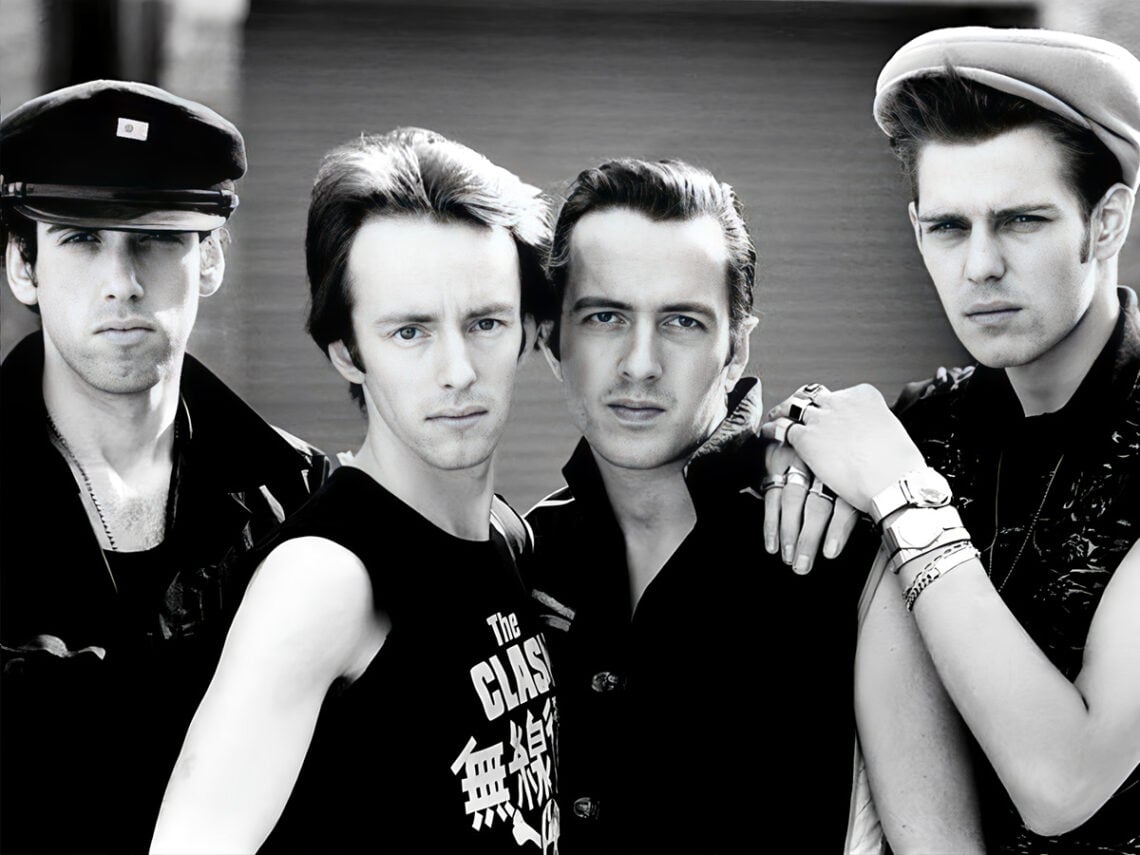
‘Sandinista!’: the album that defined the musicality of The Clash

When punk rock first made waves in the UK, the movement fell into the hands of The Sex Pistols. They laid the groundwork for the raucous punk archetype, thriving on shock factor and disruption through whatever provocative means were necessary. When The Clash broke out onto the scene one year later, they built upon the punk ethos with a progressive approach. The Clash were clear on their anti-establishment stance. They were deeply concerned with sociopolitical issues, often speaking out against racial oppression, war and systemic poverty in their lyricism. They were purely for the people. Although their music was focused on heavy subject matter, they simultaneously conveyed hope for change.
It was that dedication and outspokenness that earned them the title of ‘The Only Band That Matters’. But what further distinguished The Clash from other early punks was their ability to adopt musical styles beyond their own. The strong presence of reggae and ska in the UK made an impression on the band, and they returned from their visits to New York City under the influence of the burgeoning hip-hop scene. Though starkly different to the punk rock sound, these genres share a similar ethos. Reggae was political resistance; hip-hop voiced the struggles of the underrepresented, and ska channelled optimism and called for unity. It was a necessary fusion that would allow The Clash to express their views dynamically.
In 1980, that is precisely what they did. The Clash released Sandinista!, and it was the crux of their stylistic smorgasbord. The band had been around the world, taking everything in. When it was time to record, every bit of inspiration accumulated throughout the ’70s was funnelled into what became a behemoth of a record, a triple-LP set weighing in at two and a half hours long. In the Audio Ammunition documentary, frontman Joe Strummer reminisced about the days spent in a New York studio, which led to such a hefty collection.
“We’d done a really long tour in Britain and the US. And we came straight off that tour, and rather than falling down exhausted or jetting off to opposite ends of the world or something, we were so up for it that we went straight into a studio. And Columbia didn’t want to buy us any [studio] time. There we were in New York, and all we wanted to do was record. We had to force them to spill out for three weeks at Electric Ladyland.” In an earlier interview with Uncut in 1999, Strummer would go on to refer to that time as “three weeks of unadulterated joy”. From morning to night, they hunkered down in Electric Ladyland, sometimes even sleeping over as though the studio were a second home.
The Clash’s defining work was in motion. Reggae was a prominent jumping-off point for the record, but they did not shy away from exploring every avenue. Straight away, they flirted with the city noise on opener ‘The Magnificent Seven’. A conspicuous bass groove combined with rhythm-driven spoken word delivery echoed the sounds of rap and funk that surrounded the band during their time in New York, marking their early integration of punk and hip hop.
Elements of dub, ska and dance sprout merrily and familiarly throughout the punk epic, but there are some left-field moments that keep you on your toes. They venture into praise and worship gospel on ‘The Sound of Sinners’ and ‘Lose This Skin’ plays like a homage to folksong. Sandinista! effectively served as a lawless playground for the messages of The Clash to be realised through different methodologies. Still imbued with social commentary, their musical expedition was just another way of highlighting inclusivity as a core value for the band.
With Sandinista!, The Clash knew exactly what they were doing. They could acknowledge the record’s weirdness and wonderfulness while also seeing that it was a considerably advanced work for their time. They redefined what being a punk band could be, cementing their deserved title of ‘The Only Band That Matters’.
