


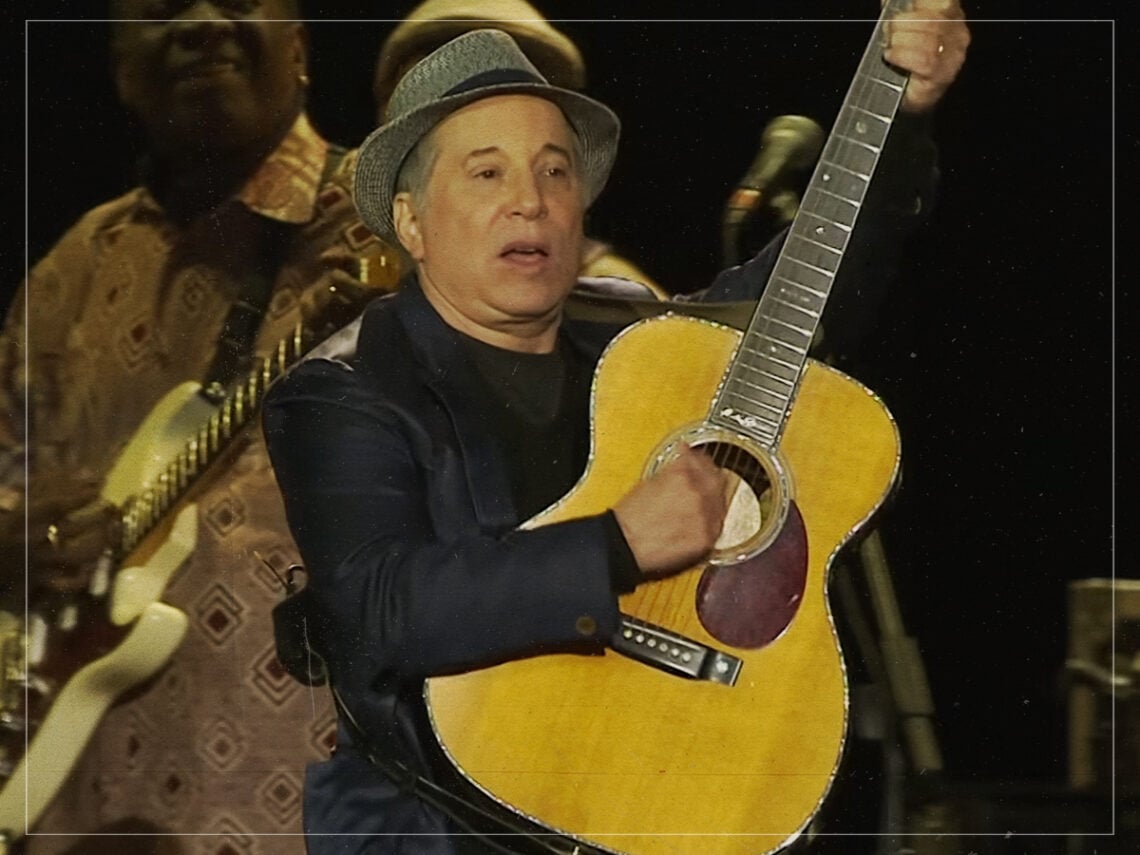
The album Paul Simon thought could compete with ‘Graceland’: “I’m proud”

Graceland was a monumental achievement for a variety of reasons. Not only did it prove the value in chasing a vision once it appears, but it also marked a turning point in the way Paul Simon operated.
After all, he once said that it was around that time that he started writing the music first. Usually, he looks for a sound or rhythm that moves him, after which he figures out the right words to articulate those emotions. “It may sound strange because some people would describe me as intellectual, but it’s not like that,” he once said. “It’s way more about emotion.”
These are all reasons why Graceland is one of the most enduring records, not just in Simon’s discography but in music history. One of the most controversial moves of his career, for obvious reasons, the record saw Simon vacating to South Africa in the peak of the anti-apartheid movement, not to raise awareness but to allow the musicians in the area to have their voices heard.
Simon, of course, knew the risks at the time. As with any musician who makes a bold political statement, whether that’s in the form of speaking up or doing the opposite to everyone else, Simon knew he’d face backlash if he made the decision, and even reached out to some of his closest musician friends for advice when he was first thinking about going, who all encouraged him to go.
Thus, he knew he’d be criticised for it, but he did it anyway, basing his intent on cultural reasoning alone and creating music that deserved to be heard. And even though he did face immense backlash upon the record’s release, this has since washed away in favour of more open celebration, with people respecting and appreciating the material first, in spite of its sociopolitical contexts.
Anyone who would put out a record as masterful as Graceland would always have another, more obvious challenge on their hands: living up to it. Simon knew this; he still does, especially when it comes to adopting a birds-eye view of his broader trajectory and the natural ebb and flow that comes after an immense period of commercial success.
In fact, Simon once directly addressed his so-called “flop” records while also sharing his perspective on why those aren’t always a bad thing. In his view, dips in commercialism aren’t as negative as people make them out to be, even if it does culminate in a “shrinking” of your audience. In doing so, it makes the core fanbase become even more loyal, and those who are left will always be along for the ride, no matter what numbers you pull on any given chart record.
In 2008, Simon told Graham Reid that he would always be proud of records like You’re the One and The Capeman, the former of which he remains just as proud of as Graceland, mainly because of its density in subject matter. He said, “I’m proud of this album and would expect it to find an audience. I don’t say, ‘I don’t care if people understand me or not.’ I really do care. I’m trying to be clearer as I get older and for it to be more enjoyable for people, even if that group is smaller.”
He also said that it’s “a lot to be talking to”, which means a lot, even if it doesn’t get into “the millions and is only in the hundreds of thousands”.
Ultimately, his mind stays where it matters – that even if a handful of people listen to his material, that’s still cause for celebration. It’s not always about exploding, but having something meaningful that stays with people.
