


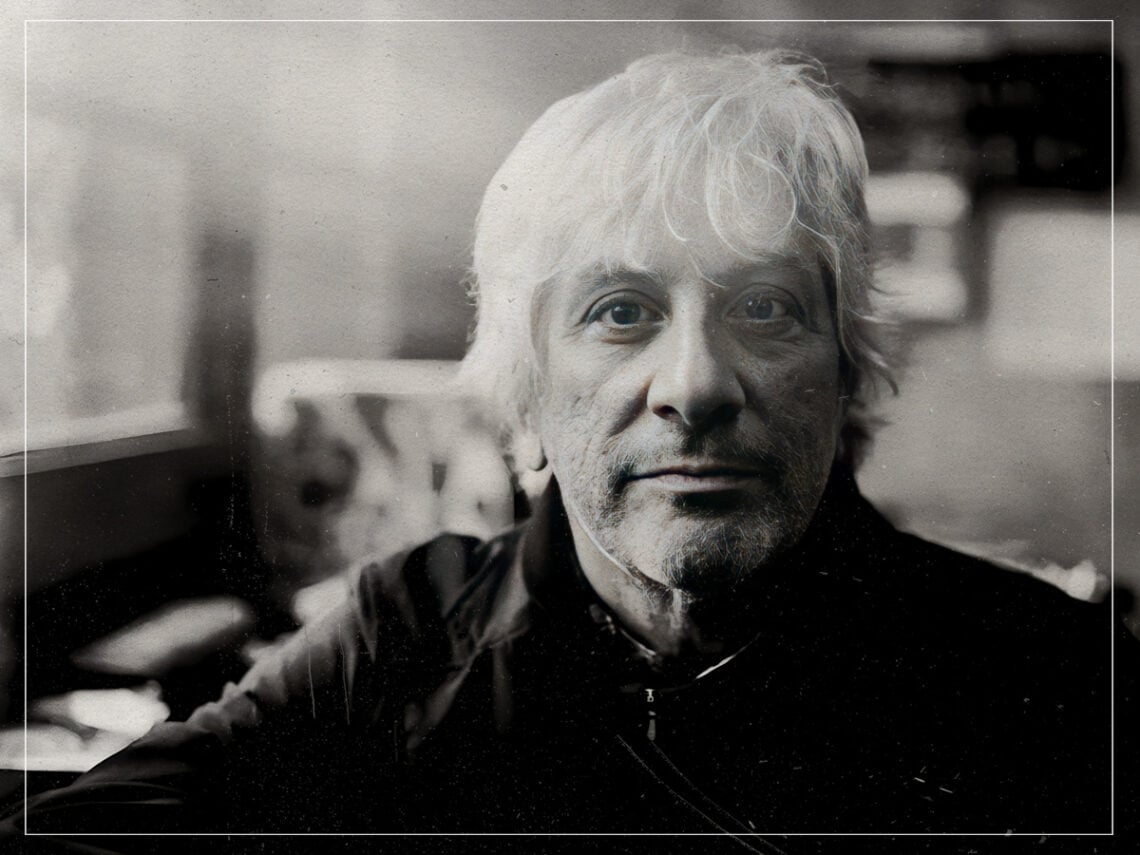
The Talking Heads album Lee Ranaldo called earth-shattering: “It really shaped and changed so much”

Art rockers and avant-garde aficionados thrived in 1970s New York. The decade and the city spawned some of the biggest and brightest names in the scene, from CBGB regulars Television to new wave staples Blondie to multi-talented artist Patti Smith. And just down the road, in Providence, Rhode Island, a band called Talking Heads began forging a legacy of their own.
Like many post-punk bands, both now and then, Talking Heads met at art school. Their innate creativity soon bled into their musical creations, as they quickly proved themselves one of the most exciting and innovative bands in the New York scene. They existed within the new wave and post-punk scene, but they weren’t afraid to pull from a myriad of other genres, sneaking in polyrhythms and strange poetry wherever possible.
The band exerted a mammoth influence over their peers and the post-punk bands that followed in their footsteps, including fellow New York noise-makers Sonic Youth. The band only formed a couple of years after the Heads, but their influence on the band had been huge, particularly on guitarist Lee Ranaldo.
During a conversation with Tidal, the Sonic Youth singer picked out a number of records that had changed his life, including Talking Heads’ debut, Talking Heads: 77, on the list. He spoke about the transformative experience of hearing the album at the time of its release, particularly when he saw the band performing it live at a tiny bar in New York.
Ranaldo described the concert as “life-changing”, acknowledging that while he had only listened to the record a couple of times before attending, the show “completely converted” him. “It was kind of like hearing them play opened this huge door onto that whole period of music and what all of those bands were doing in like ‘77, ‘78, ‘79, in that period,” he added.
Released in 1977, the suitably titled Talking Heads: 77 provided a promising first glimpse at the Heads’ approach to post-punk. It was harsh at times and soft at others, flitting between songs about psycho killers and happy days with ease. It introduced us to David Byrne’s now familiarly peculiar vocal style, to Tina Weymouth’s bass-playing, and to the strange world of Talking Heads.
Ranaldo even went as far as to compare the experience of hearing record to The Beatles’ debut, deeming it “earth-shattering in terms of the shift it demanded in my perspective of what music was”. He acknowledged that it “shaped and changed so much of what [he] felt going forward,” and even pushed him back into music.
A couple of years later, Ranaldo was forging his own earth-shattering sound with Sonic Youth. Though they dabbled in areas that Talking Heads were less familiar with, such as no wave and noise, the influence of Byrne and his bandmates could certainly be heard in their sound, and in their commitment to innovating and experimenting.
Beyond Sonic Youth, Talking Heads have influenced swathes of guitar bands with their progressive and peculiar approach to the genre. From modern post-punk outfits like Squid to danceable indie rockers like LCD Soundsystem, their music continually forces listeners to reconsider their understanding of music and influences some to pick up an instrument themselves.
