


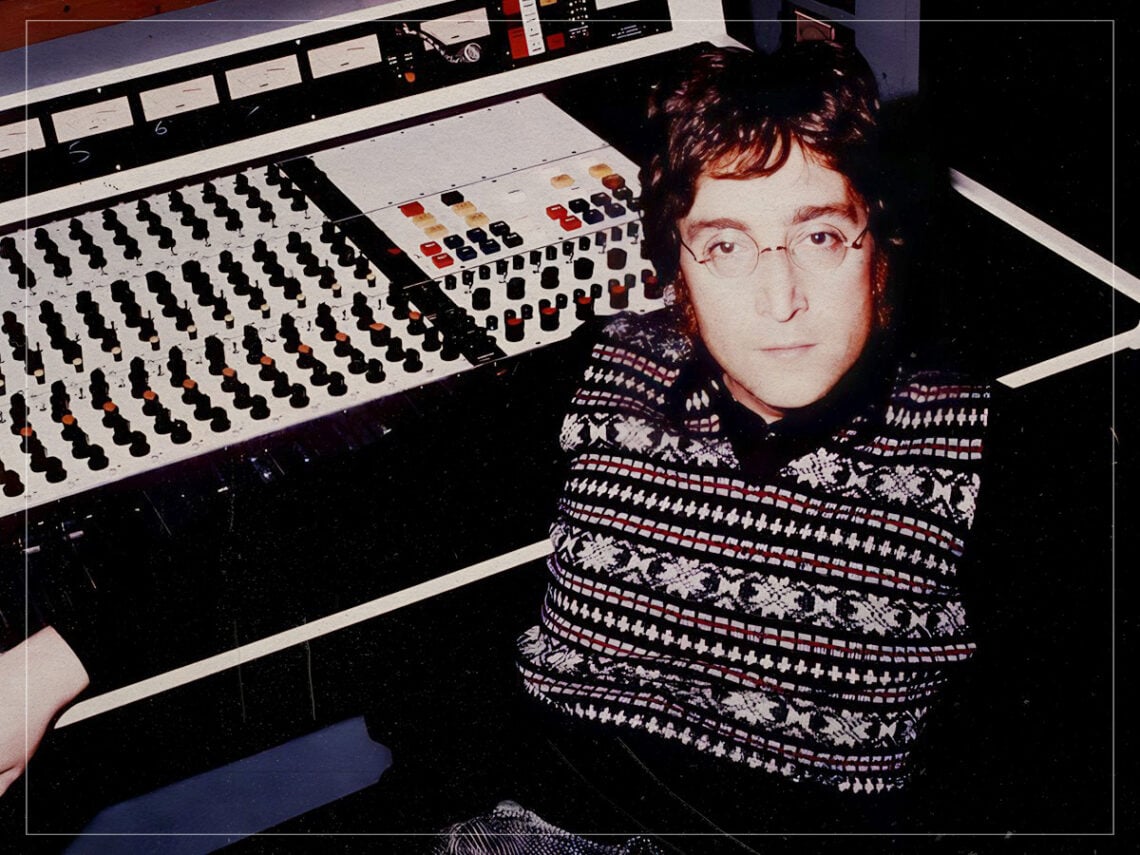
The album John Lennon said he would never do again: “It was ridiculous”

Individually, The Beatles didn’t waste any time in starting their solo careers at the beginning of the 1970s.
Rather than receding into the warmth of creative exile, putting their feet up and raising a glass to a previous seven years of chart dominance, Paul McCartney, John Lennon and George Harrison all got straight back into the studio and exercised their newfound freedom.
As Beatles fans, it may be hard for us to admit, but the truth was, the band had become somewhat of an albatross around the members’ necks, and their solo records just went to prove that. Paul McCartney leaned heavily into playfulness, penning the achingly melodic classic RAM, while John Lennon’s existentialism found a safe home on Imagine, and George Harrison emphatically proved what a brilliant songwriter he was, with All Things Must Pass.
While McCartney produced his own work, both Lennon and Harrison introduced an emerging producer named Phil Spector into the fold. The pioneer of the ‘Wall of Sound’ technique, he was in some ways the perfect fit for a Beatle, given his ability to balance endless melodic textures. But when Lennon recruited him for his 1975 album Rock ‘N’ Roll, he asked to completely step back from leadership duties and allow the wider vision of Spector to lead the way, so as to regain that sense of musical camaraderie. Ultimately, it was a move he regretted.
As he sought out a more collaborative musical experience again, Lennon said, “I thought, I know, who shall I use, you know. The great Phil Spector, you know. I’d used him before, but I’d always controlled it and been co-producer. But this one, it took me three weeks to talk him into being the producer. I said, ‘Look, I’m Ronnie on this one, alright? I just want to sing. I don’t want to know anything about nothing.’”
He continued, “So we started the sessions, and they went well, and then they gradually collapsed into mania. You know, it’s just one way of putting it. But it definitely got crazy, you know. There were 28 guys playing a night, and 15 of them were out of their minds, including me.”
Adding, “And the sessions broke down. We broke them down pretty well, me and Phil. They got really bombed, you know. I’m not even going to say what happened. Some of it was ridiculous. And that’s the first time I ever let an album out of my control since the first Beatle albums. I will never do it again.”
Spector’s car crash wasn’t the only drama that surrounded the record. The producer’s behaviour was intensely erratic, as he continuously turned up late, wore bizarre clothing and generally acted in an unpredictable manner. It culminated in him running off with the master tapes and disappearing for months, without contacting Lennon or anybody.
While The Beatles’ reign came to somewhat of a bitter end at the end of the 1960s, Lennon never experienced anything quite like that with them. While it got to the mid-1970s and he desperately craved some musical camaraderie, he quickly learned that there were only three people in the world he could truly experience that with.

Never Miss A Beat
The Far Out Beatles Newsletter
All the latest stories about The Beatles from the independent voice of culture.
Straight to your inbox.