


The album Japan wanted to be remembered for: “Why not?”

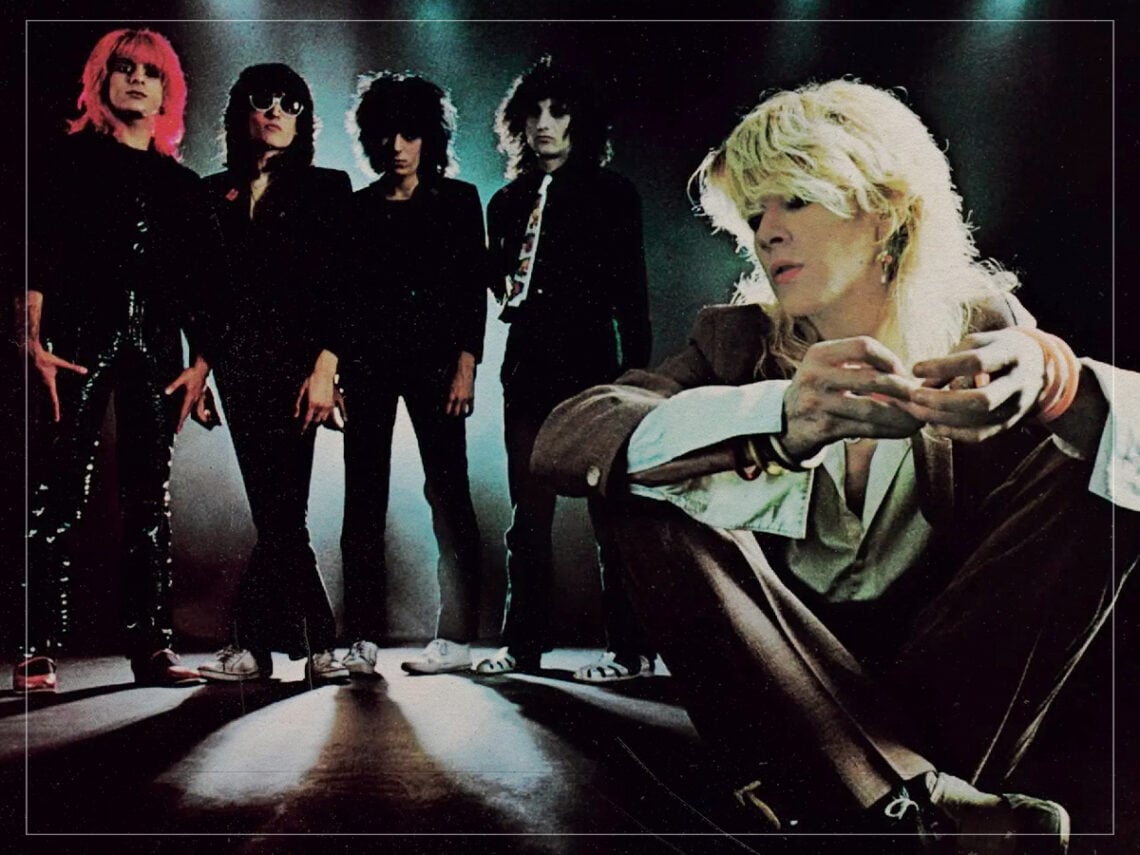
There was little indication of the creative trajectory Japan would take in the early days as a third-rate glam outfit. Formed in Catford in 1974, frontman David Sylvian nabbed a little of everything from Roxy Music, Transformer-era Lou Reed, and a healthy amount of New York Dolls’ trashy wardrobe during their early years, eventually picked up by Hansa Records to issue 1978’s Adolescent Sex debut.
Yet, their T Rex funk gyrations left the UK music press cold, deeming them old hat during punk and new wave’s feverish seizure of the cultural underground.
A new direction was needed for commercial survival, let alone artistic principle. Despite faring well in their namesake country, even selling out Tokyo’s Budokan Theatre in March 1979, a collaboration with Italo-disco producer Giorgio Moroder on the sequencer-pulsing ‘Life in Tokyo’ dropped a month later, which signalled a new sonic path that chimed with the electronic crackle in the air at synthpop’s explosive cusp.
Gone were the loose-hanging sequinned belts and open-chested shirts, swapped for a more elegant flaunting of demure androgyny and sharp-suited flamboyance. A new and coiffed look ushered in their revamped sound. Heading to London’s AIR and DJM studios with old heroes Roxy Music’s Country Life co-producer John Punter, keyboardist Richard Barbieri would embrace the fast-evolving developments in synthesiser technology for the electronic washes that swaddled 1979’s Quiet Life with its weird, alien energy.
While their peers would look to Kraftwerk’s pioneering sonic template, Japan seemed to dwell in the spooky introspections of David Bowie’s Berlin efforts, crafting an increasingly personalised pop songbook shrouded by haunted synth exorcisms and eerie tonalities.
It proved to be their breakthrough. While reluctant to be labelled as such, Japan’s striking aesthetic and new wave-coated artpop saw them orbit the new romantic takeover that was soon to burst on the British charts. Diffidently riding the Blitz Kids wave, Japan entered the 1980s with a Virgin Records label rescue and two more acclaimed albums in Gentleman Take Polaroids and Tin Drum. The latter yielded the otherworldly ‘Ghosts’ single, before they broke up in late 1982 at the peak of their creative and commercial powers.
Sylvian would pursue an intrepid experimental career and ward off fame’s spotlight, and the rest of the band went their separate ways with various solo endeavours, reuniting only once in 1991 for the one-album Rain Crow Tree project.
Yet, it’s Quiet Life that stands as their most pivotal record for all concerned, a dazzling effort that confidently clamours for new artistic terrain and documents a band’s rebirth at its most authentic and vital. When preparing Quiet Life’s reissue package in 2021, guitarist Robert Dean expressed great pride in Japan’s third LP, and the renewed life the box set afforded their synthpop classic.
“It’s something I’m proud of, so why not?” Dean told Super Deluxe Edition. “I’m a terrible critic of everything I’ve done—I always think I could have done this or that better. But you have to put all that aside and accept it for what it is. And Quiet Life is very, very good.”
