


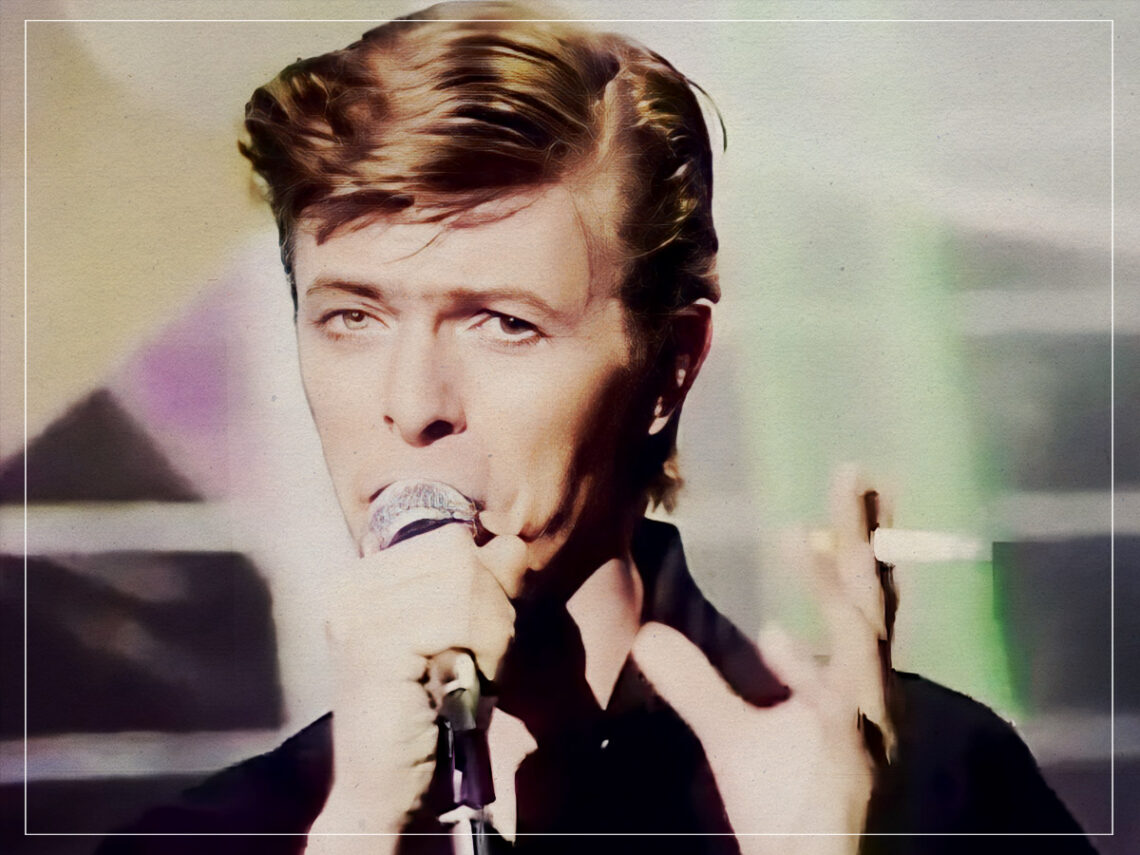
The album David Bowie said had his best backing band ever: “It was a powerhouse”

With such a vast catalogue of music released over the course of his career, David Bowie was bound to have been less than satisfied with some of his output from time to time. On the other hand, the records he might have been critical of at the time of their release are subject to a change of heart, and likewise, he may well have been proud of something when it first came out and turned on it later in his career, citing it as a gross misstep.
It’s well-established that Bowie wasn’t the biggest fan of his 1980s pop era, with him claiming that records like Let’s Dance were beneath his unbelievably high standards. Discussing his own aversion to this drab period in his career, he claimed that creating it led him to pander to a particular style due to the success it brought him, with his main complaint being that “it was driving me mad because it took all my passion for experimenting away.”
As a versatile songwriter who used to obsessively tinker with new ideas and styles, the 1970s saw him flirt with multiple different artistic diversions, with him beginning the period focused on the glam of records such as The Man Who Sold the World and Hunky Dory, and ending it with a far more expansive new wave and post-punk oriented sound on “Heroes” and Lodger. The biggest outlier in the journey from A to B during this fertile decade arrived in 1975 with the release of Young Americans, an album explicitly influenced by funk and soul in a way that no other records of his from this period were.
Despite it having been a dramatic departure from all the other music he released in the years on either side of it, fulfilling his desire to explore and experiment, Bowie’s opinion of Young Americans at the time was one of disappointment, referring to it as “relentless plastic soul”. However, over the years, he changed his tune and became a lot more appreciative of this brief episode, perhaps due to the even greater disappointments of the 1980s, which gave him the perspective he needed to reappraise this particular album.
In a 1990 interview with Q Magazine, he was asked about his previous slander of young Americans, and instead of doubling down on his criticisms of the album, he came to its defence. “I shouldn’t have been quite so hard on myself,” he conceded. “Looking back, it was pretty good white, blue-eyed soul. At the time, I still had an element of being the artist who just throws things out unemotionally.”
Further praising the period, he would go on to celebrate the cast of musicians he got to work with during the album’s sessions. “It was quite definitely one of the best bands I ever had,” Bowie stated. “Apart from Carlos Alomar there was David Sanborn on saxophone and Luther Vandross on backing vocals. It was a powerhouse of a band.”
As a white British pop act attempting to emulate the soul music of Black Americans, it may have seemed like a disingenuous foray into a genre that he had no right to touch, but in actual fact, while not his finest release, it’s still a great example of Bowie showing his appreciation for other styles of music and managing to emulate them in a faithful and conscientious manner. He may have felt uneasy about it at the time, but his later realisation of the magic that was happening around him on that record is perhaps the reevaluation it deserved.
