


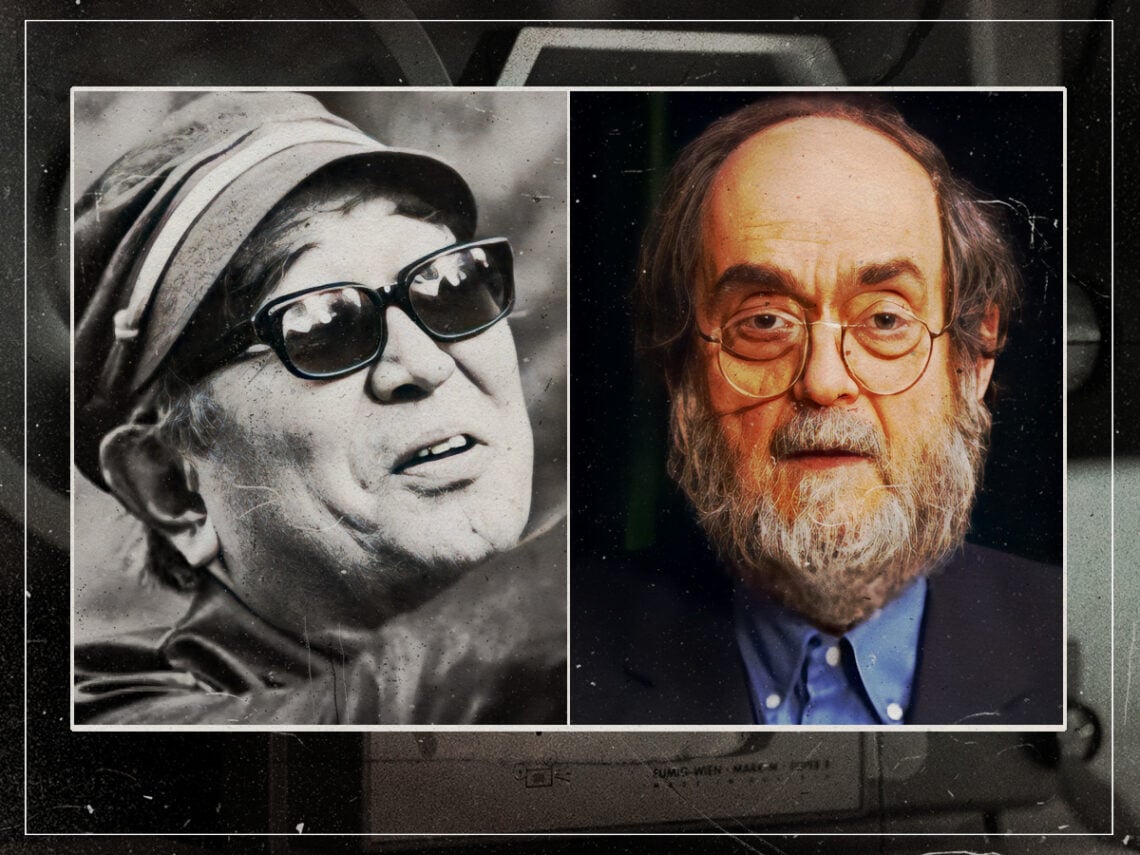
“A poignant tale”: Akira Kurosawa’s fan letter to Stanley Kubrick

A true titan of world cinema, the medium wouldn’t be what it is today if it wasn’t forever changed by the inimitable magic of Akira Kurosawa. Responsible for masterpieces such as Seven Samurai and Throne of Blood, Kurosawa didn’t just change the landscape of Japanese cinema but also inspired multiple generations of directors all around the globe.
Growing up during a time of rapid social and political changes in the country, Kurosawa’s visual style was inspired by many American pioneers, especially the works of John Ford. However, as he himself became one of the biggest names in the industry, the High and Low director kept a close eye on the cinematic developments in the US. In fact, it was the New Hollywood movement that revitalised Hollywood and produced many of Kurosawa’s favourites.
In an extensive list of his 100 favourite movies of all time, the Japanese filmmaker included many seminal works such as Arthur Penn’s Bonnie and Clyde as well as Francis Ford Coppola’s The Godfather II. However, one name manages to stand out even in that pantheon of cinematic giants. That is none other than Stanley Kubrick, whose mesmerisingly beautiful 1975 opus Barry Lyndon was included by Kurosawa in his selection of the greatest movies ever made.
According to Kubrick’s longtime assistant, Anthony Frewin, the 2001: A Space Odyssey director also held Kurosawa in particularly high regard. As mentioned in a BFI piece about Kubrick’s cinematic preferences, Frewin said: “Stanley thought Kurosawa was one of the great film directors and followed him closely. In fact, I cannot think of any other director he spoke so consistently and admiringly about.”
It is always great to hear about the mutual respect between one’s favourite directors, but the Japanese auteur took it one step further. Kurosawa often penned moving letters to his towering contemporaries, such as Ingmar Bergman, and he sent one to Kubrick as well. It was so moving that Kubrick couldn’t even formulate a proper reply, going over it again and again in his head because he didn’t know exactly how to continue the correspondence.
Frewin revealed: “Talking of Kurosawa, a poignant tale: Stanley received a fan letter from Kurosawa in the late 1990s and was so touched by it. It meant more to him than any Oscar would. He agonised over how to reply, wrote innumerable drafts but somehow couldn’t quite get the tenor and tone right.”
Unfortunately for Kubrick, he never got the chance to tell Kurosawa how much his works had deeply moved him, especially Rashomon and Seven Samurai. When he finally got the right words down and prepared to send a letter back to Kurosawa, the tragic news of the Japanese filmmaker’s demise sent cinephiles everywhere into mourning.
Kubrick was certainly no exception, with Frewin noting: “Weeks went by, and then months, still agonising. Then he decided enough was enough; the reply had to go, and before the letter was sent, Kurosawa died. Stanley was deeply upset.”
The legendary cinematic pioneer passed away in 1998, leaving behind a rich and unimaginably vibrant legacy that continues to nourish fans everywhere. His last feature, the 1993 comedy Madadayo (translated as “Not yet”), serves as a fitting farewell, revolving around the life of a beloved professor whose retirement announcement brings all his students together.
