


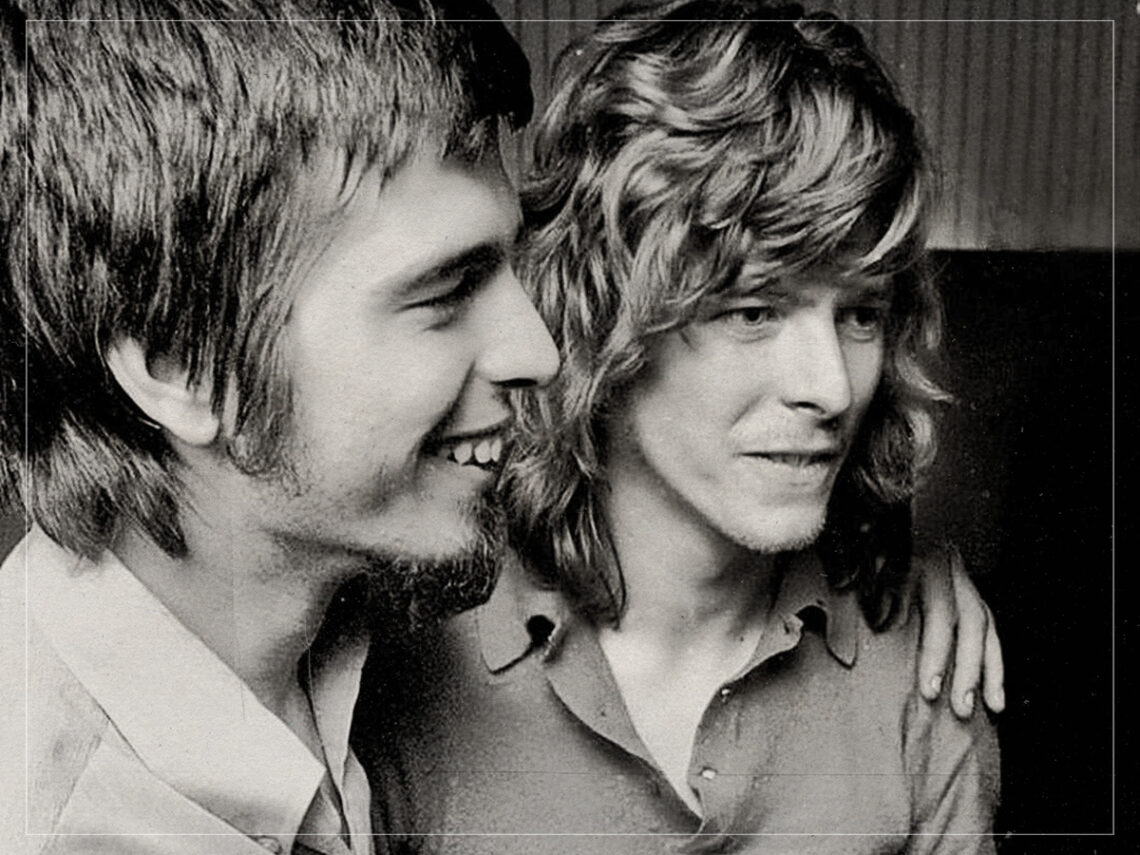
The life-changing advice a Buddhist monk gave David Bowie at the end of the 1960s

There are few artists as spiritually connected, ethereal and ultimately mysterious as David Bowie was.
The Starman made a career out of constantly evolving creatively, but he was also spiritually adventurous, too, once flirting with the idea of becoming a Buddhist monk, alongside a whole host of different spiritual endeavours.
The revelation came in a recently unearthed interview from 1970 as David Bowie got ready to explore his inner creativity and draw a persona, character and ultimately, his greatest invention from outer space. The interview took place for Jackie magazine and saw Bowie asked a series of normalised pop star questions, but he also shared a valuable piece of advice, too.
The interview offers a fascinating snapshot of Bowie before superstardom transformed him into one of music’s most enigmatic figures. Even at 23, his curiosity extended far beyond pop music, revealing a restless intellect already searching for meaning through philosophy, spirituality and art.
Bowie was only 23 when he spoke to Jackie magazine on May 10th, 1970. The singer had not yet triumphed with Hunky Dory, Ziggy Stardust was still a mere twinkle in his eye, and Bowie was far from the icon he is today. Instead, he was the next pop star trying to grab some column inches and add a few more fans to his growing fan club.
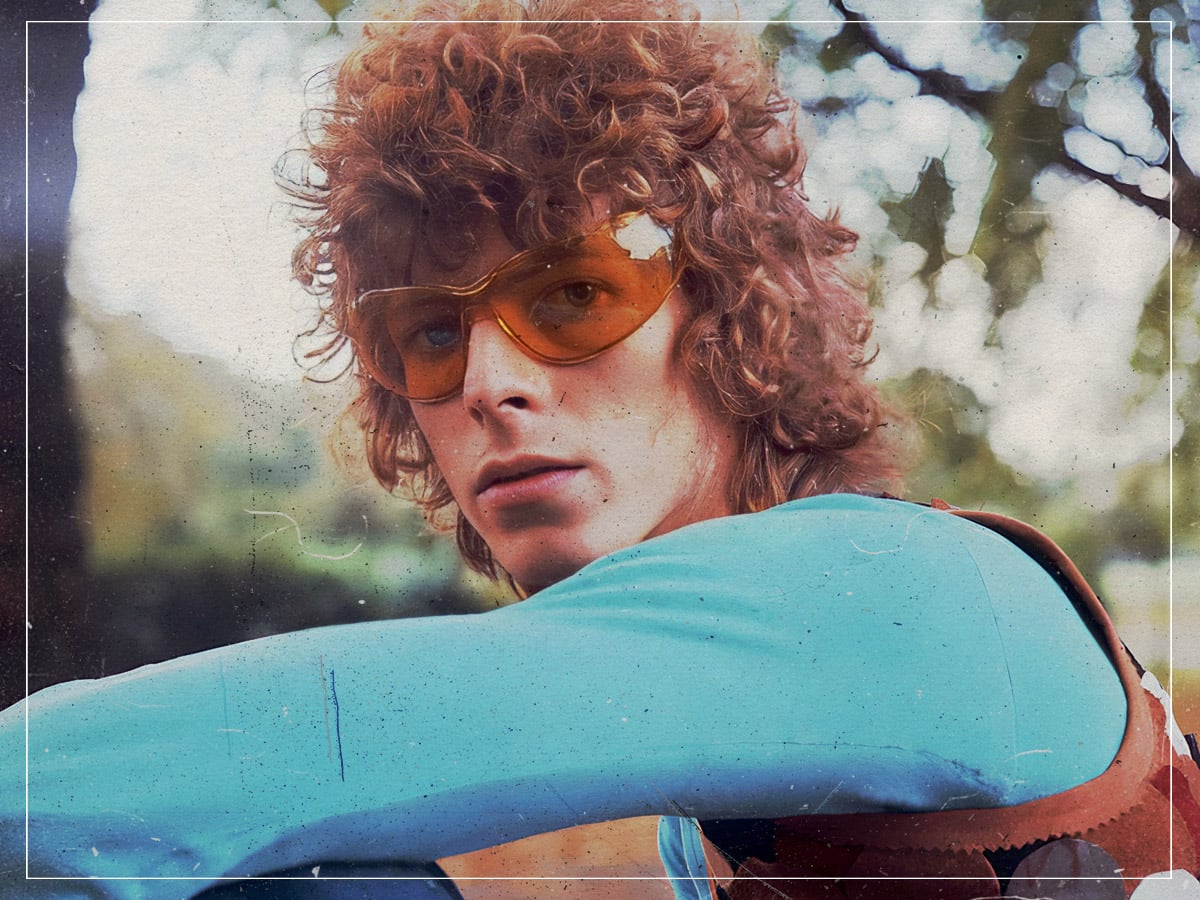
Bowie being Bowie, however, meant that although he was asked the usual pop star questions, like ‘who has influenced you the most?’ or ‘does he write his own material?’, to which he promptly replied: “I’ve always written my own songs.” What was his most embarrassing moment? “When I was singing with a group called The Buzz four or five years ago. I forgot the words to three songs in a row. That was dreadful.” He was also able to add a searing bout of intellectualism to each of his answers.
So when he was asked the fairly simple question of “what’s the best advice you’ve ever received?” His answer was naturally cultivated and cultured and opened up a view of Bowie as the mystical music man he would become. The reply revealed the very soul of Bowie, he answered: “To try to make each moment of one’s life one of the happiest, and if it’s not, try to find out why.”
If the answer sounds dripping with mysticism and spirituality, it’s because it came directly from a Buddhist monk. “I was told that by a Tibetan friend of mine, Chimi Youngdon Rimpoche [sic Chime Youngdon Rinpoche],” clarifies Bowie to his interviewer, unwilling to take any credit.
The singer then divulges why that advice is so important to him, “Because I’d reached a crucial point in my life. I was a terribly earnest Buddhist at that time, within a month of becoming a Buddhist monk. I had stayed in their monastery and was going through all their exams, and yet I had this feeling that it wasn’t right for me.”
The advice clearly put Bowie on a different path and saw him instead chartering a course for the top of the charts. But Buddhism was an attractive prospect to a young Bowie living in Bromley, “I was very interested in Tibet while I was still at school, and wrote a thesis on it. That made me interested in the country, and I started reading about its history and its religion.”
Although Bowie ultimately chose a different path, his fascination with Buddhism left a lasting imprint on his outlook. The themes of self-discovery, identity and transcendence that would become hallmarks of his music can all be traced, at least in part, to this formative period of spiritual exploration.
How did Bowie finally make the decision? Well, it may have been down to losing his hair, “I suddenly realised how close it all was: another month and my head would have been shaved – so I decided that as I wasn’t happy, I would get right away from it all. I vanished completely for a year. No one knew where I was.”
Bowie had instead pursued an artform which would imbue all his future work with a staggering theatricality. “Actually, I had joined the Lindsay Kemp Mime Company,” it was here he gained another life lesson, “I spent a year with them and learned from Lindsay that people are much more important to me than ideas.”
David Bowie may well have been a mystical man, he may well have seemed ethereal and otherworldly, but the truth is, like everybody else, he was always looking for answers to life’s big questions. He found his answer in music, and a lot of people found their own answers in him.
Looking back, Bowie’s near-miss with monastic life feels less like an abandoned chapter than an essential part of the journey that shaped him. Rather than finding enlightenment in a monastery, he channelled those same questions into his music, creating a body of work that continues to encourage listeners to search for meaning, embrace change and remain endlessly curious.
Read the full interview here.
