


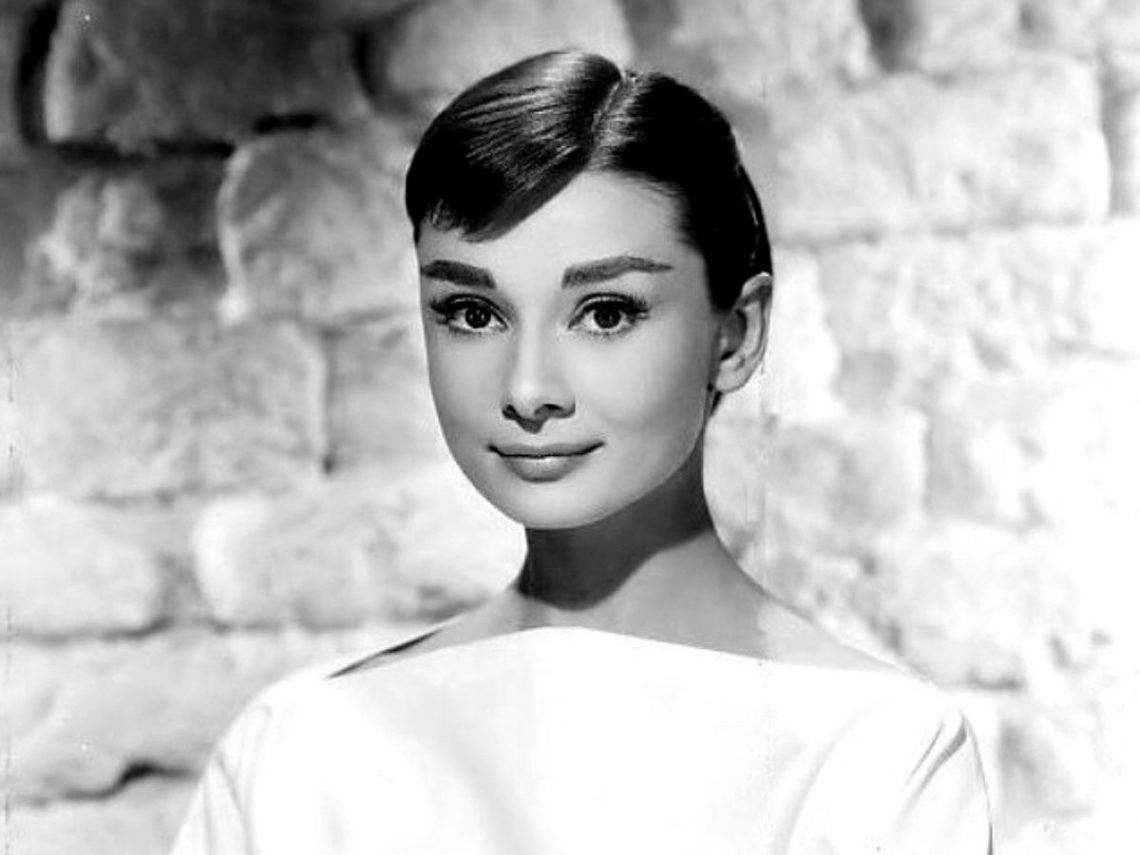
The actor who earned Audrey Hepburn’s undying gratitude: “One of the loveliest experiences of my life”

In retrospect, Audrey Hepburn seemed destined for stardom.
She had a face unlike any other Hollywood actor and an otherworldly charm that lit up the screen. More than three decades after her death, she remains one of the most recognisable and ubiquitous icons of the 20th century, with her photo adorning countless walls around the world. Breakfast at Tiffany’s might be her most famous film, but during her peak in Hollywood, Hepburn was much more than a one-hit wonder, with movies like Sabrina, Charade, and My Fair Lady dominating the box office.
Before she became a star, however, Hepburn’s success in the business was far from a sure thing. At the time, Hollywood was fawning over voluptuous sirens like Marilyn Monroe. Hepburn’s slender frame and European accent were hardly in vogue, and her chances at beating stars like Monroe for parts were non-existent.
All of that changed, however, when she made her Hollywood debut in William Wyler’s 1953 romance Roman Holiday. In the film, Hepburn plays the sheltered princess of a fictional European country who decides to escape her royal handlers while on a diplomatic trip to Italy. After falling asleep on a park bench, she is discovered by an American journalist, played by Gregory Peck. Concerned for her safety, he brings her back to his apartment, only realising her true identity the next morning. Recognising that he has a much-needed scoop on his hands, he takes her on a sightseeing tour of the city, only to find himself falling in love with her as the day progresses.
The film was a huge hit domestically and abroad, thanks in part to the romance between Princess Margaret and Peter Townsend, which was happening at the same time. It made Hepburn a star overnight, and when the Oscars rolled around, she took home the award for ‘Best Actress’.
In 1989, Hepburn stood on a different stage to present Peck with the American Film Institute’s ‘Life Achievement Award’ and took the opportunity to highlight just how pivotal he had been at that crucial moment in her career. At the time, she explained that she was just an unknown dancer in London who was one of hundreds of hopefuls to be tested for the role of Princess Ann. He, meanwhile, was one of cinema’s top box office draws.
“Not only did Greg agree to have me as his leading lady,” she said. “But then guided me for months with kindness and patience and humour through one of the loveliest experiences of my life. I have waited 37 years not only to honour him but to finally be able to say with all my heart and all my love, ‘Thank you, dear Greg.’”
It was an unusually generous move on Peck’s part to star opposite an unknown actor. Most stars demanded a star of near-equal status as a matter of self-respect. But the actor took his generosity even further. The studio had initially sweetened the deal by offering him sole billing, meaning that only his name would appear above the title of the movie. Partway through filming, however, Peck suggested to producers that they put Hepburn’s name next to his, a move that had almost no precedent. As soon as the film came out, his generosity looked more prescient than selfless.
