


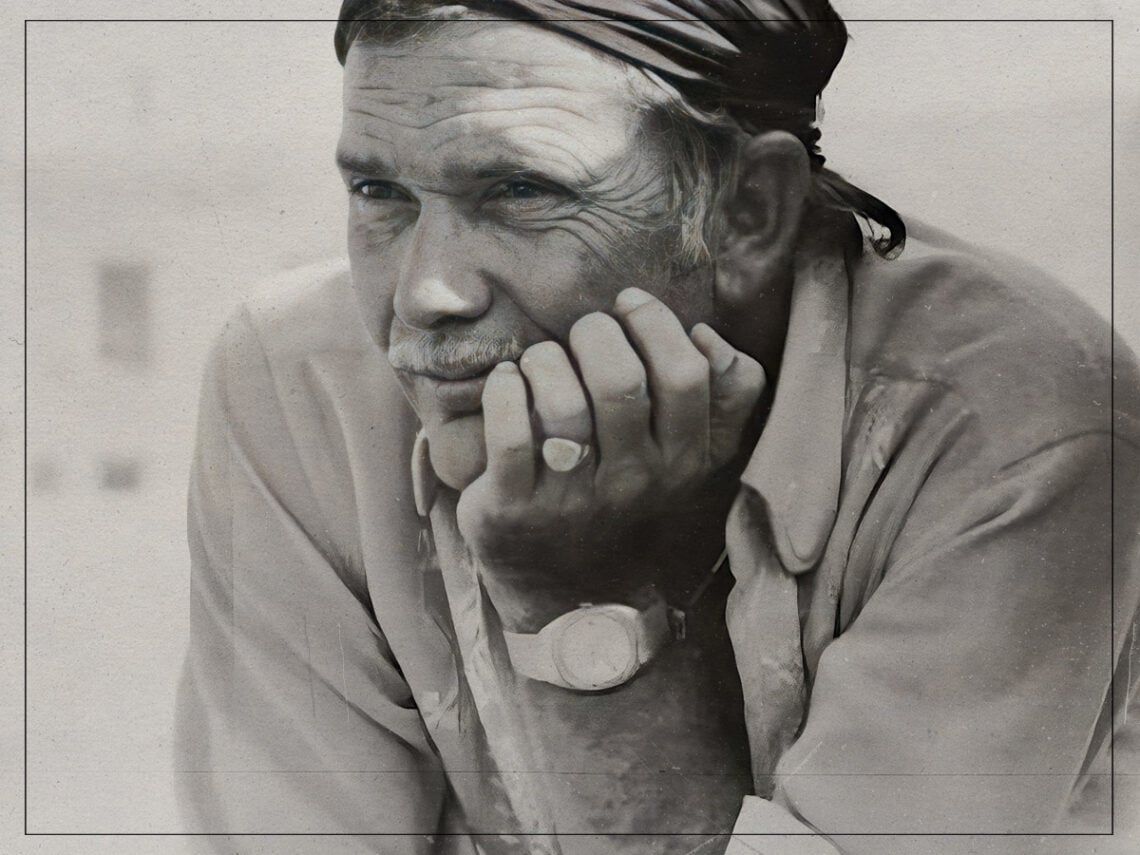
Sally Struthers on why impact of Sam Peckinpah: “A truly awesome figure”

The behaviour of actors and directors on the set of film productions during the 1970s has been endlessly discussed and documented. Another dramatic and slightly dangerous movie shoot with creative disputes and sometimes physical altercations? I’m feigning shock. The stories from this era are infamous for their conflict, from Faye Dunaway allegedly throwing a bucket of piss at Roman Polanski in Chinatown to the screaming matches between Dennis Hopper and Bob Rafelson on Easy Rider. There were few sets that weren’t disrupted by some kind of tension, and the filming of Sam Peckinpah’s 1972 film The Getaway was no exception.
After a vague idea for The Getaway was formed, there was much discussion about who would be an appropriate director. The studios were fond of the idea of Peter Bogdanovich directing after the success of The Last Picture Show, with several accolades under his belt and a gold star from the producers for its huge monetary success. However, Bogdanovich had his eye on another project that happened to clash with the filming schedule, so he went off to direct What’s Up Doc, and Sam Peckinpah was offered the project instead.
After recently working with Steve McQueen on Junior Bonner (which had flopped earlier that year), the winning combination of McQueen and Peckinpah seemed like a no-brainer. They had worked well together before, so it seemed like a safe bet to avoid all the nastiness that Hollywood was somewhat known for at the time. So they all set off to Texas with the so-called ‘Bloody Sam’ for another production.
However, when principal photography began, a few points of tension arose that altered the tentatively optimistic atmosphere of the project and created a general uneasiness on set. Following the film’s completion, Sally Struthers (who plays Fran Clinton) spoke publicly about Peckinpah’s directorial presence, saying: “Mr. Peckinpah is like… King Tut, you know? A truly awesome figure. He’s not all that big, really—he’s sort of slight physically. I don’t really know how to explain it, but he gives off such powerful vibes that you have to… well, fear and love him, I guess, just like little kids learn to fear and love God in Sunday school.”
The intimidating presence that Struthers describes no doubt comes from Peckinpah’s drinking habits, often leading to unpredictable and abrasive behaviour on set, with McQueen and Peckinpah getting into heated arguments that chipped away at the goodwill between them, with McQueen even throwing a champagne bottle at Peckinpah’s head during one particularly heated disagreement.
In addition to the creative tension between both men, the shoot also became known for the affair that began between Mcqueen and Ali McGraw, who was famously married to the head of Paramount Pictures at the time, Robert Evans. Many of the creatives involved feared that the scandal around this affair would ruin the film’s chances at the box office, combined with their pre-existing concern over McGraw’s performance, given that the majority of her experience came from modelling.
However, despite the creative and interpersonal challenges that occurred, the film was commercially quite popular (even though critics slammed Peckinpah’s ‘aimless’ direction and both lead performances). So, was it all worth it? Well, the scandal of the production has created a lasting legacy around the film, so much so that it later went on to be remade in 1994 with Alec Baldwin and Kim Basinger, so perhaps you could argue that it was. Somehow, Hollywood always manages to resurrect even the messiest of the shoots, and all that glitters is not necessarily gold. Sometimes, it’s just a bottle of champagne being thrown at your head.
