


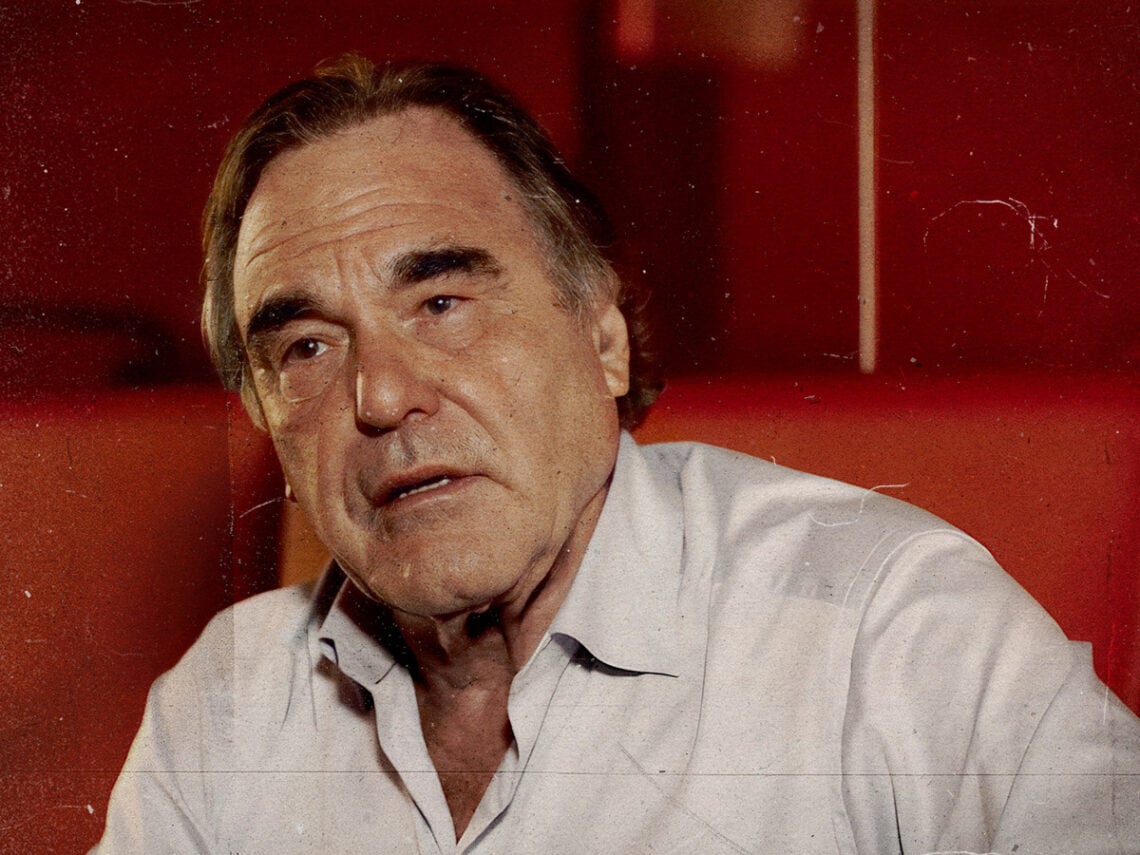
The actor Oliver Stone called a “pain in the ass”

If Oliver Stone doesn’t like something, then he’s more than happy to let the world know about it, with his reputation as one of the most outspoken and fiery filmmakers in the industry having been in place for decades.
Recent developments in cinema haven’t left him best pleased, as Stone became one of just many veteran directors to take aim at the Marvel Cinematic Universe, with John Wick also becoming a surprising target of his fury. Then again, he did offer an apology when his criticisms of Barbie resurfaced, so perhaps there’s a chance he’s starting to mellow with age.
With four Academy Award wins under his belt for ‘Best Adapted Screenplay’ and ‘Best Picture’ to go along with his pair of ‘Best Director’ trophies, he’s earned the right to share his unfiltered thoughts as the mastermind behind a string of classics as either a writer, director, or producer.
The peak of his career behind the camera inarguably came from the mid-1980s through the mid-1990s, where Stone was operating at the apex of his powers. Platoon, Born on the Fourth of July, Wall Street, JFK, Natural Born Killers, and Nixon all emerged during this period, but it’s one of his most overlooked features from the time that saw his feathers ruffled by a cast member.
1988’s Talk Radio flopped at the box office in spite of stellar reviews, with Eric Bogosian’s talk show host going national after his deliberately antagonistic ways yielded a surge in popularity. However, beyond the professional success, his personal life is coming apart at the scenes, with one unhinged caller pushing him to the brink.
The film arrived in a breakthrough year for Alec Baldwin, who plays Dan in Talk Radio. In what was just his second year on the big screen, Stone’s movie was one of just five credits alongside She’s Having a Baby, Beetlejuice, Married to the Mob, and Working Girl. It was clear he was a star on the rise, something that made Stone bristle.
Referring to Baldwin as “a pain in the ass back then” in an interview with Filmmaker Magazine, Stone knew it was “because he was already on his way to becoming a superstar”, but on the plus side, “he had a hilarious chemistry with Eric”. The feeling turned out to be mutual, although Baldwin was a lot more scathing when recalling his time on Talk Radio in his memoir.
Describing Stone as a “Machiavellian filmmaker who would throw his own mother down a flight of stairs if it would help him get his project financed, get the shot he wanted, or simply get his way”, Baldwin did at least make a point of clarifying that “he is certainly not the most unpleasant person I’ve worked with”, which is something.
