


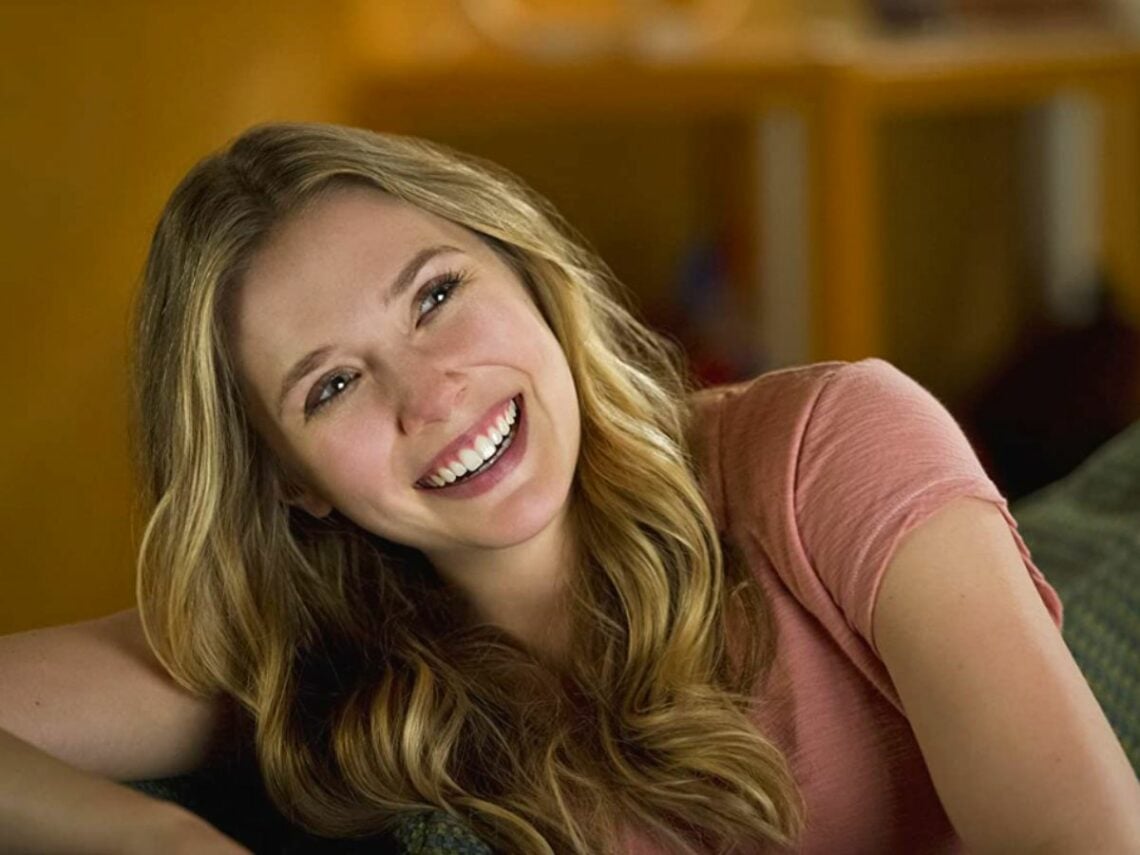
The actor who inspired Elizabeth Olsen’s career: “The kind of woman I wanted to be”

Two decades ago, the mere existence of a third Olsen sister would have been a revelation to audiences of a certain demographic, but Elizabeth Olsen has already outstripped the on-camera success of her older siblings to balance blockbuster franchise fare with a string of acclaimed and intimate performances.
While certain veterans lament the likes of Marvel cannibalising huge sections of the moviegoing audience and conditioning them to expect the biggest releases to offer little more than mindless action scenes and pixels crashing across the screen, landing a recurring role in a successful franchise can be a huge boon for an actor.
Olsen is one of the prime examples of how standing in front of a green screen and waving her hands around at some tennis balls on sticks can be a blessing for a career: she knows she’ll always have that sweet, sweet Marvel money to fall back on, and having as close to a guaranteed paycheque as any star can hope to find in the modern era opens the doors to take on more daring and challenging parts.
Not that she’s phoning it in when reprising her signature gig as Wanda Maximoff, though, after Olsen accomplished the rare feat of receiving major awards season recognition for a Marvel project after her leading turn in the streaming series WandaVision earned her ‘Best Actress’ nominations at both the Golden Globes and Primetime Emmys.
Of course, it was clear from the very beginning that Olsen was a massive talent after her feature debut saw her give a towering tour-de-force in Martha Marcy May Marlene, and she’s followed it up with a range of diverse turns on screens big and small that spans Hank Williams biopic I Saw the Light, cult black comedy Ingrid Goes West, neo-western Wind River, aching family drama His Three Daughters, and biographical crime story Love & Death.
Versatility is the name of the game, and Olsen’s refusal to let Hollywood stuff her into one particular box was born from her lifelong adoration of an icon who made a point of never bowing to the demands of others. Describing Diane Keaton as “the kind of woman I wanted to be” to The Guardian, Woody Allen’s former muse resonated with the star because she “hadn’t seen the woman I felt connected to in films.”
Olsen didn’t view herself as “the sexy one, I’m not the nerd, I don’t know where I fit,” and seeing Keaton strut her stuff illustrated that not having a place to call her own could be a benefit and not a hindrance. The legendary veteran was also Emma Stone’s idol when she was growing up, and the two-time Oscar winner hasn’t done too badly for herself by trying to follow Keaton’s playbook, so there are definitely plenty of worse places to draw inspiration.
