


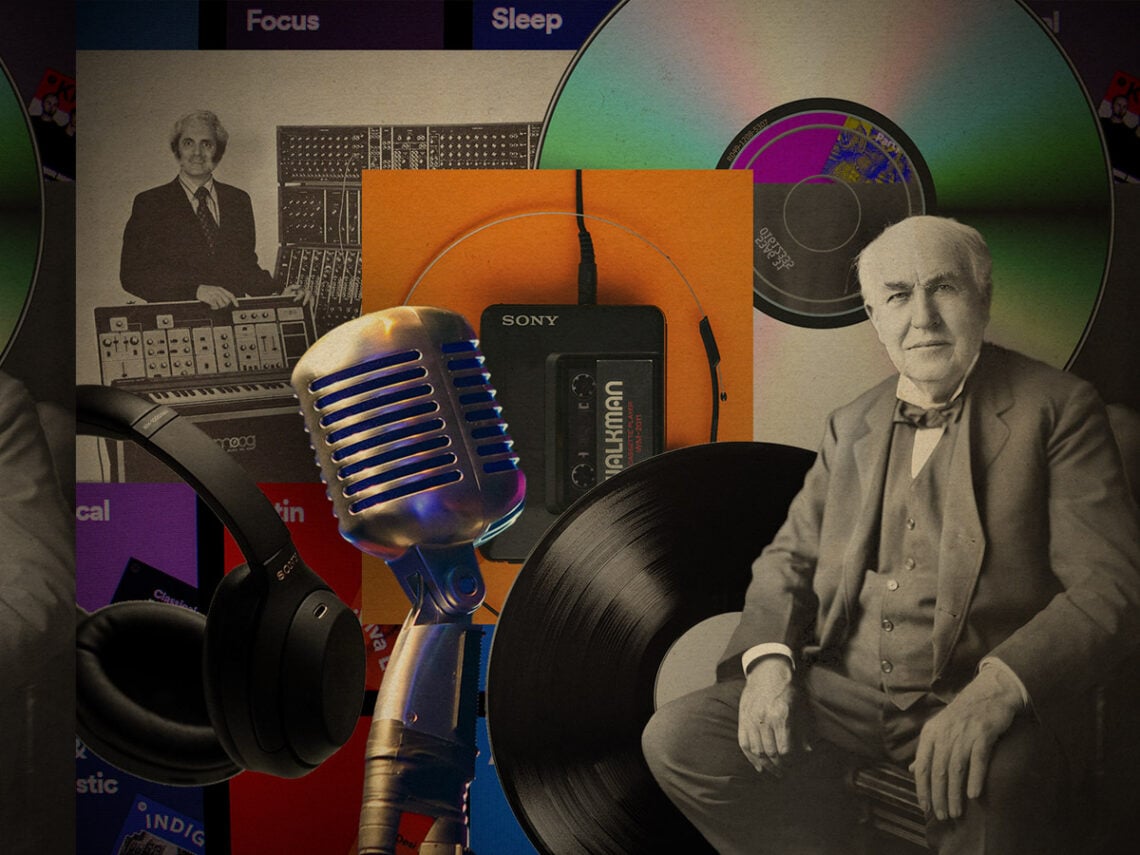
The art and science of music consumption: A timeline of tech advancements in music

Wired headphones are back in fashion, a step backwards as far as advancements in music technology are concerned. Where will it end?
Well, it probably won’t go back much further than that. Fair enough, it does look cooler when someone is using wired headphones compared to wireless, which gives people the look of undercover spies; however, how much are people actually willing to sacrifice when it comes to looking good over technological convenience?
These days, every kind of genre, the majority of bands, and every large moment in music history are all available in the palm of your hand. Unlock your phone, click on the streaming platform of your choice, and get to listening. It took a long time to get here, though, as the way that we consume music has gone from hardly at all to often to constantly.
Some argue this new age of convenience has lessened the art form, but the only way to truly have that opinion is to understand the ages that came before. So, let’s go back, way back, and look at the history of music consumption.
A timeline of tech advancements in music:
1877

The phonograph
In 1877, Thomas Edison invented the phonograph, indenting sound waves on tin-foil and engraving the sound waves onto a wax record with a stylus.
The first time anyone had achieved the recording and playback of music, the phonograph revolutionised the entire music industry, leading to other major developments in both audio tech and streaming.
1877

The microphone
In the 1870s, David Edward Hughes invented a carbon microphone, demonstrating his inventon in front of others and laying the groundwork for future inventions that disrupted the entire music industry.
1910
Headphones
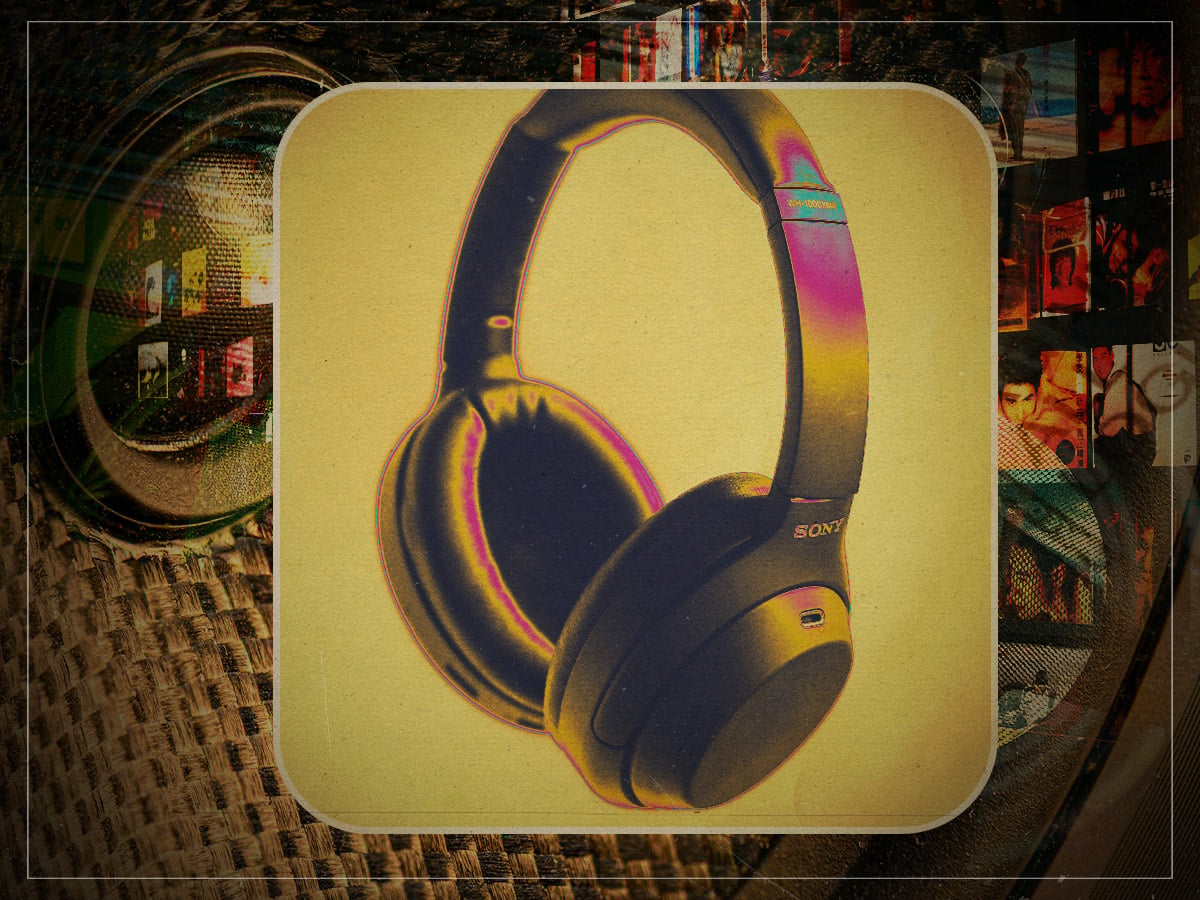
Although versions of headphones existed before, Nathaniel Baldwin invented the modern set in 1910 at his kitchen table, which were then given to the US navy.
In the decades that followed, many brands recognised the monetary value in headphones for music listening, designing sets that improved the quality of the sound and the overall experience of consuming music.
1940
The vocoder
In the 1930s, while working for Bell Labs, Homer Dudley invented the Dudley vocoder, effectively enginneering a way to use the human voice as an instrument long before the advent of any other such technologies.
A major step for electronic music, Dudley’s invention laid the groundwork for future advancements with modern synthesisers, helping to shape the sound of modern pop and electronic music.
1964

The Moog synthesizer
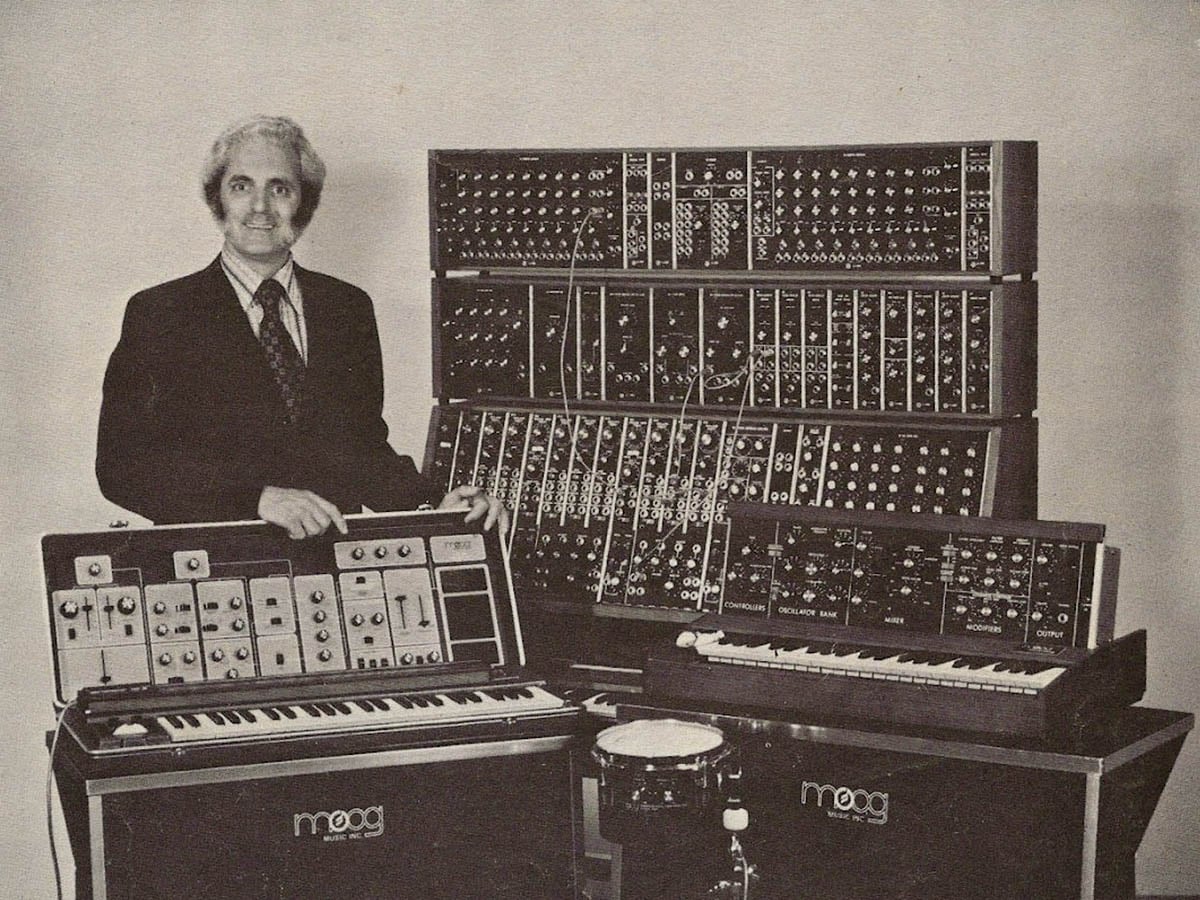
Developed by Robert Moog, the Moog synthesiser marked a shift in electronic music tech advancements, providing a new affordable standard that altered the entire landscape.
Many of the era’s defining bands, like The Beatles, incorporated the Moog into their experimental approach, recognising that this wasn’t just another tech fad, it was quite literally the future of music.
1979

The Walkman
In 1979, the Sony Walkman marked a major shift in how we consume music, shifting attitudes towards musical experiences from a bigger, more community-leaning experience to a more intimate and personalised one.
It also provided music lovers with the opportunity to enjoy music on-the-go, giving them something to use that wasn’t heavy, or bulky, or generally too impractical to carry anywhere they went.
1982
Sony CDP-101, the first commercial CD player
Most advancements in music have developed with similar goals in mind: to make music listening experiences better, clearer, and more efficient.
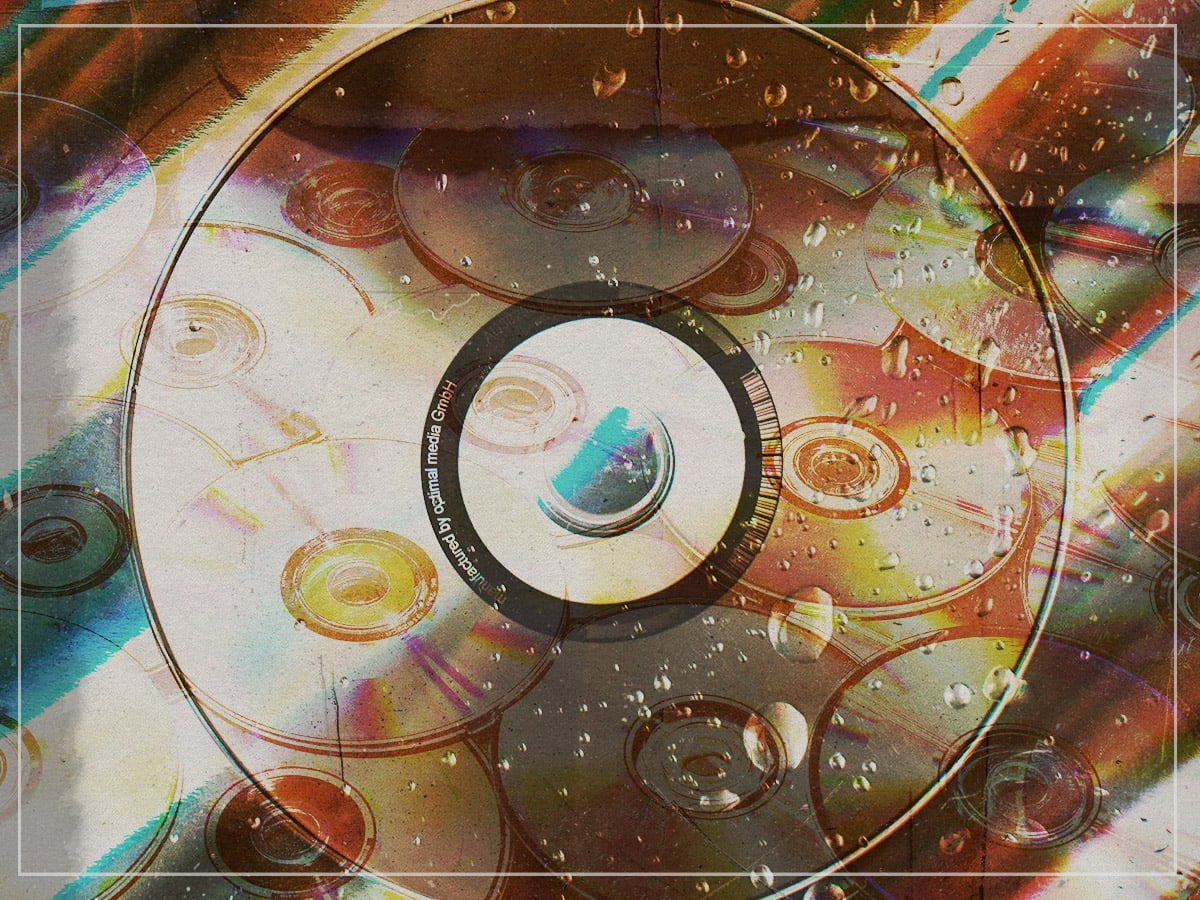
The 1982 Sony CD player was no different, not only giving listeners the opportunity to listen to their favourite music in a better and more meaningful way, but also giving them a format that would likely outlive their worn-out tapes and vinyl records.
1989
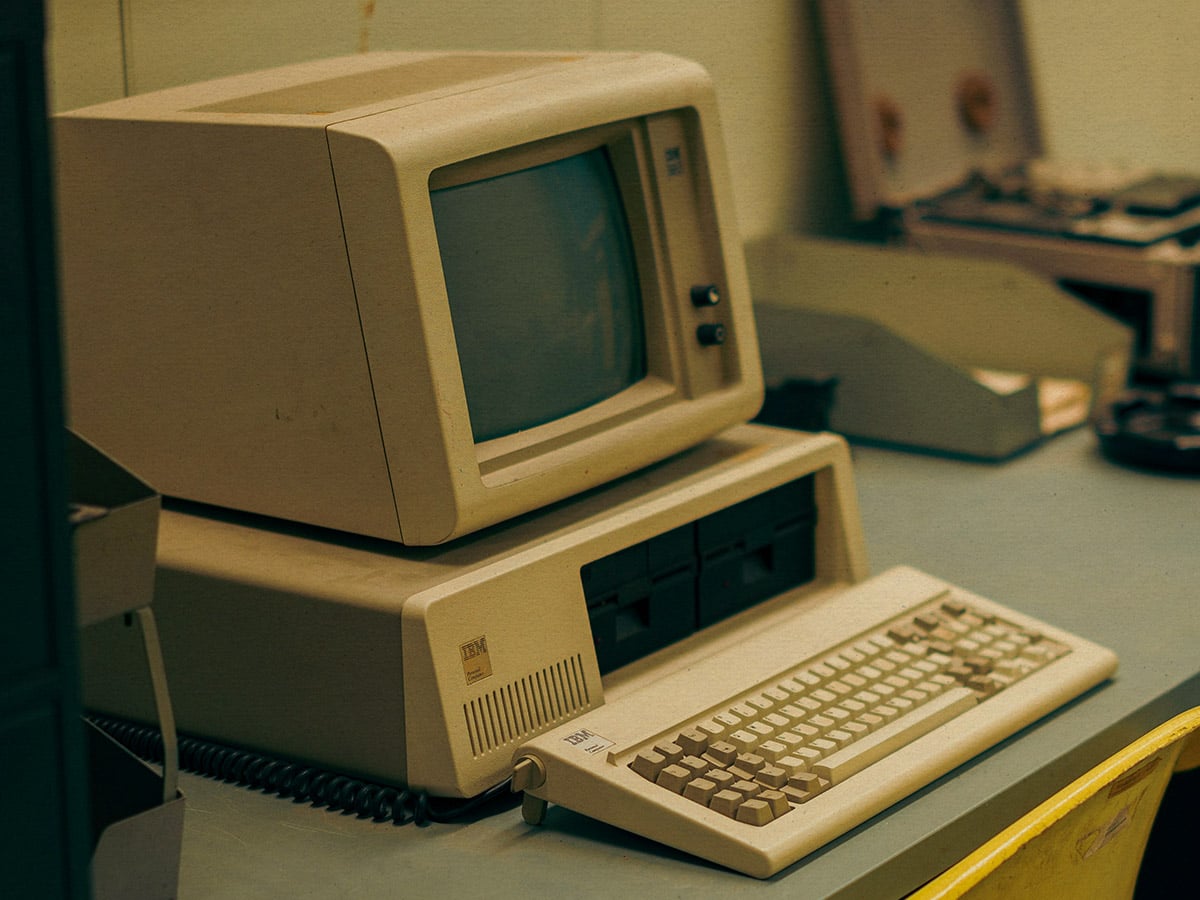
The World Wide Web
The launch of the World Wide Web was good and bad for a lot of reasons, but for music, it meant a whole world of new opportunities for sharing and discovering new material.
Not only this, but it also led to many of the same listening behaviours we have today, not just in terms of streaming but also in how modern musicians connect and engage with their audiences.
2001

iPod
Just like the launch of the Walkman, the arrival of the Apple iPod in 2001 provided new and practical ways to listen to music, giving music lovers a new and user-friendly alternative that made them feel like their music was truly theirs to own.
2008

Spotify
Before Spotify and other streaming services, listening to music was far less instantaneous, and often felt like an arduous process to build libraries or collections bit-by-bit to get them exactly how you wanted them.
While that’s similar in principle to how you use steaming services like Spotify, the accessibility factor means that music feels far easier to find and discover, addressing the demand for modern audiences to instantly listen to a seemingly endless catalogue of music from all eras and genres.
