


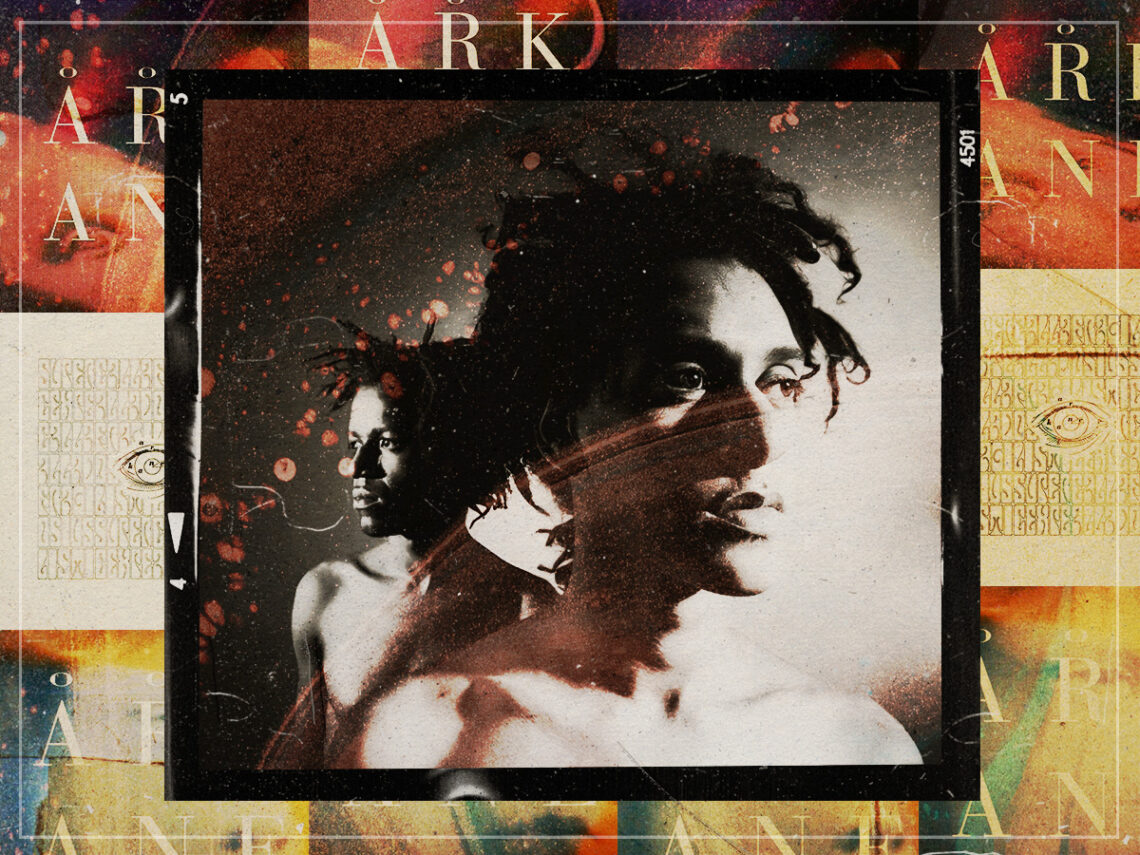
A.R. Kane: the forgotten band who invented dreampop

The last few decades of the 20th century brought with them a reinvigorated interest in guitar music. In the 1980s, new wave injected the genre with angularity and quirk, while post-punk pushed it further into arty territory. By the 1990s, alternative rock found its commercial peak as grunge and Britpop dominated the airwaves.
Though they emerged at the same time, primed for success amidst guitar enthusiasm, shoegaze and dreampop flew fairly under the radar in comparison. Rather than making it into the commercial realm alongside their peers, shoegaze was called ‘The Scene That Celebrates Itself’, reflecting its self-containment.
Since then, there has been a revived interest in both shoegaze and dream pop, with genre pioneers like My Bloody Valentine, Cocteau Twins and Mazzy Star gaining huge cult fan bases and re-releases. Their names may remain more unknown than the likes of Nirvana or Blur, but dreampop has secured a devoted cult following decades since its inception.
Still, one of the genre’s pioneering bands – and, in fact, the band who coined the term in the first place – remain lost to memory. In 1986, school friends Alex Ayuli and Rudy Tambala formed A.R. Kane, honing a sound that they would eventually call dream pop in the first-ever use of the term.
A.R. Kane initially took inspiration from their more well-known dreampop peers, the Scottish-born Cocteau Twins, after being taken by their ethereal soundscapes. “They had no drummer,” Tambala recalled to The Guardian, “They used tapes and technology, and Liz Fraser looked completely otherworldly with those big eyes. And the noise coming out of Robin [Guthrie]’s guitar! That was the ‘Fuck! We could do that! We could express ourselves like that!’ moment.”
The duo certainly did go on to express themselves like that, releasing their debut single ‘When You’re Sad’ in the same year. With distorted guitars and airy vocals, the track preempted the indie rock and shoegaze obsession that would follow. Eventually, the duo found themselves signed to 4AD, the future home of dream pop.
After releasing a couple of albums and an EP, A.R. Kane began to describe their music as dream pop, the first use of a term that would be adopted and beloved by fans, artists and journalists for decades to come. Speaking to Pitchfork, Tambala explained how the term stemmed not only from their sound but from the duo’s interest and ventures into lucid dreaming.
“We were really into dream mythology,” he explained, “I had a book about astral travelling. At the end, there was a guide to lucid dreaming. So we both used to practice it – go into a semi-hypnotic trance just before falling asleep, focusing on an object. Then what happens is, in the dream, you see that object. That keeps you awake inside your dream.”
The duo wrote their songs using this experience, turning ideas from lucid dreams into tangible melodies. Tambala recalled, “What would happen was that we’d hear music in our dreams and wake ourselves up to write down melodies, lyrics or even just the atmosphere that we wanted to capture. Our music was literally dream pop.”
A.R. Kane broke up in 1994, and the dream pop baton was passed onto a new generation of artists who forged their own atmospheric and entrancing soundscapes, including Slowdive, Julee Cruise and, more recently, the likes of Beach House and Hatchie. Unfortunately, the original pioneers would never gain a cult following quite like some of their peers, remaining even more obscure than the genre they started. Still, for those who have come to know and love dream pop, their music is well worth a listen.
