


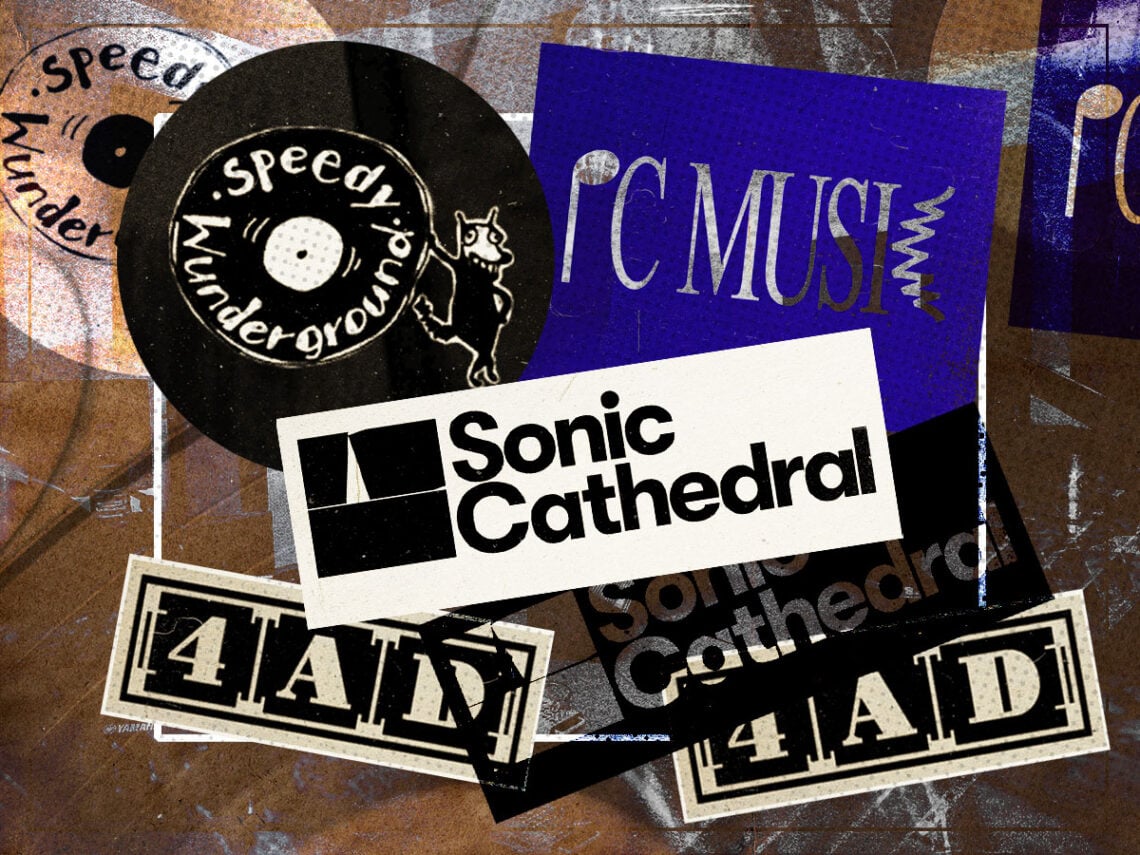
From Speedy Wunderground to PC Music: the record labels defining genre

Born out of the punk movement, the DIY ethic has dominated alternative music scenes since the 1970s. Half a century later, as technology has improved and music has moved away from physical distribution, the DIY nature of the industry has only increased. Accessibility to musicianship is at an all-time high – artists are free to record and mix at home, can easily put their music out on streaming services, and can utilise social media to gain traction around their music.
These changes have caused a declining need for record labels in their traditional sense. Where labels once provided help to artists in the production, distribution, and marketing of their work, artists now have the tools to take their music from recording to release alone. Consequently, record labels, particularly in underground and alternative scenes, have been forced to find new ground to cover to maintain their relevance in the music industry.
A number of labels seem to have pivoted to the role of tastemaker. Through a carefully selected roster of artists, releases and a polished, unique brand, a label can gain the trust of a devoted cult following and become the goal of upcoming bands. The most successful labels to pivot to this business model have curated their artists so intentionally that they have become synonymous with the genres they exist within.
Of course, record labels defining and popularising new genres isn’t an entirely new concept. In the 1980s, beloved label 4AD arrived on the scene and signed a number of artists operating under the new subgenre of dream pop. Cocteau Twins, Pale Saints, and supergroup This Mortal Coil were all released with 4AD, and the label became associated with the fuzzy sounds of dream pop and shoegaze.
More recently, the genre-defining capacities of labels have been amped up a little. Perhaps due to their need to stay relevant, labels seem to intentionally curate communities of artists, creatives, and fans around a specific genre.
The most prominent example in the UK alternative scene right now is Dan Carey’s Speedy Wunderground. After building up his reputation as a producer, working with the likes of Hot Chip, Franz Ferdinand, and Tame Impala, Carey founded Speedy Wunderground in 2013. At its core, the label is a singles club. Really, it’s a little more complex than that.
Each Speedy Wunderground single is recorded at Carey’s home studio in London. Recorded in the dark, with smoke, lasers, and an appearance of the Swarmatron, artists have just one day to finish the track. He allows artists no lunch breaks and stipulates that the track must be complete before midnight. Mixing takes place the following day, and the singles are then put out on 7″ vinyl as soon as possible, as well as on the Speedy Wunderground compilation at the end of the year. Emphasis is placed on pace. As their website states, “Speedy Wunderground records will not be slow”.
Carey has allowed only the most abrasive guitarists and talky vocalists into his unique recording process, collecting future post-punk stars in their infancy. The fourth Speedy Wunderground compilation alone featured three of the biggest names in the genre, with Black Midi, Squid, and Black Country, New Road. The label has become a defining element of the genre’s modern revival.
A decade on from the founding of Speedy Wunderground, a community has grown around the label and the genre, flocking to Brixton Windmill to see associated artists and lovingly dubbing older members of the fanbase “Radio 6 dads”. Budding post-punk bands are desperate to get into the studio with Carey, as a 7″ single release seems to guarantee them an audience of post-punk aficionados.
The rise of PC Music isn’t too dissimilar to Speedy, though the associated genre couldn’t be more different. Producer A.G. Cook set up PC Music in 2013 as a formal way into an A&R role. It acts not just as a label but as an art collective, facilitating collaboration between associated artists. The name of the label stands for Personal Computer Music, and Cook’s aim was to focus on just that. Using computers to make smaller artists sound huge, the label curated a new kind of exaggerated pop with synthetic textures and cyber-experimental soundscapes.
Like Speedy Wunderground, PC Music released compilations which showcased this new genre. The label built up the trust of a community, primarily online, through a series of releases with experimental pop artists, including Hannah Diamond, GFOTY, and Danny L Harle. It has also featured Carly Rae Jepsen, Caroline Polachek and Charli XCX on releases.
The futuristic sound of PC Music was accompanied by a very specific aesthetic, in line with its internet-core sound. Allowing artists just enough creative freedom while still curating a very specific brand characterised by the extreme, PC Music created a new sensory world of pop. This branding and sound defined the birth of hyper-pop, and the name PC Music has become synonymous with the genre.
Through their online appeal, specific aesthetic, and experimental pop sound, PC Music garnered a following just as devoted as the post-punk lovers surrounding Speedy Wunderground. Where Speedy Wunderground tailored their output to a post-punk audience of gig lovers and vinyl collectors, PC Music’s sound lent itself to an online audience. By tailoring their sound, roster, and surrounding aesthetic to a specific niche, both Speedy and PC Music have been able to define a genre and build a loyal audience around them. They’ve also resituated labels in the cultural landscape of the music industry.
A number of other labels are now looking to go in the same direction – London’s Sonic Cathedral, for example, seems to be looking to define modern shoegaze. They’ve created merchandise brazenly displaying the word “shoegazer” and adopted the tagline, “The label that celebrates itself”, a reference to shoegaze being dubbed “The scene that celebrates itself” in its heyday.
The connection between label and genre seems to be becoming more defined, particularly in hyper-specific subcultures of music. While huge labels with equally huge reputations don’t need to define their sound – Sony has everyone from The Chainsmokers to LCD Soundsystem on their roster – smaller labels seem to thrive from a roster with a specific sound. As indie labels look to redefine their role in the industry to retain their relevance to artists, the curation of genre seems to be a fitting one.
It’s one that can benefit upcoming artists, too. As labels now look to find their success through a trusting relationship with their audiences, lesser-known artists who work with them are guaranteed exposure to a cult following who are fans of the genre they operate within. In a world where labels define genre, everyone seems to benefit – the label and artists gain a loyal fanbase around their sound, and fans can trust in a label to deliver the music they’re looking for. The interplay between labels, their carefully curated artists, and their devoted audiences is defining exciting new subcultures and genres.
