


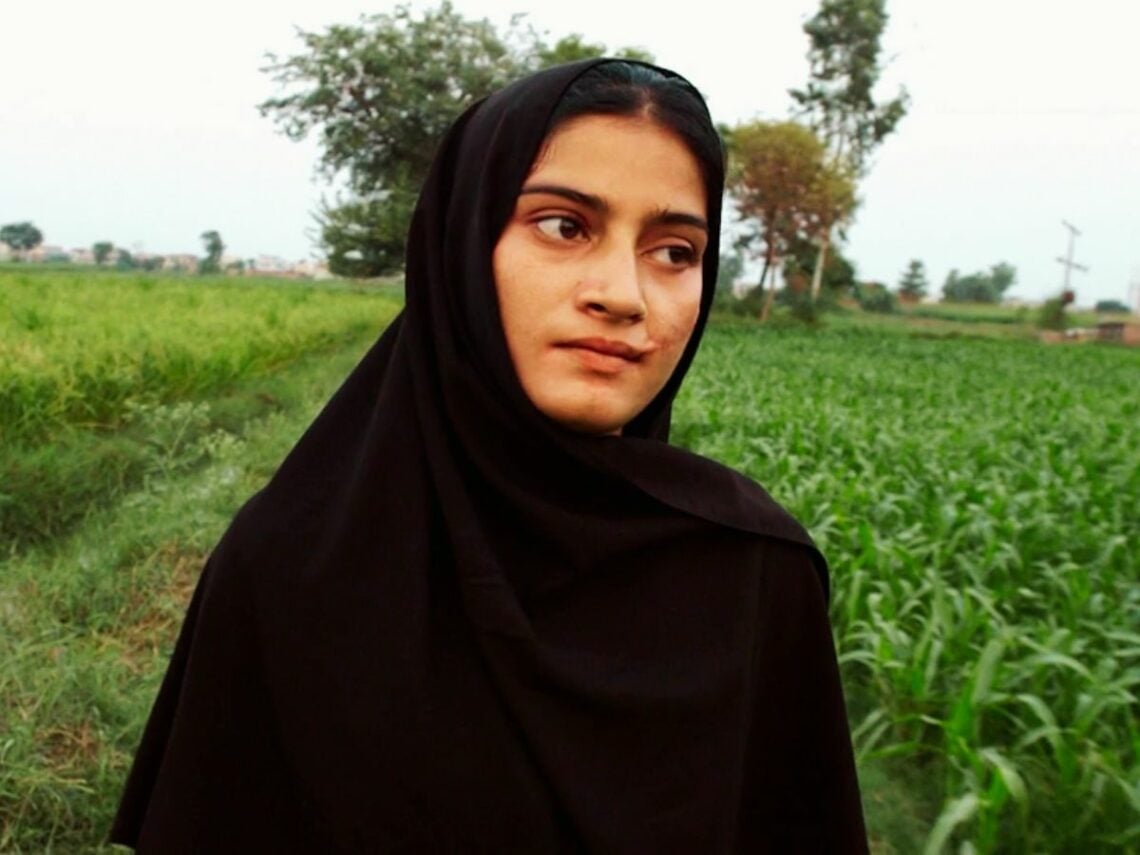
‘A Girl in the River’: The movie that changed Pakistan

It’s a cliché to say that cinema has the power to change the world, but the reason it’s become such a well-worn phrase is because films like Sharmeen Obaid-Chinoy’s A Girl in the River: The Price of Forgiveness exist to make it happen and influence lawmakers at the highest level.
The filmmaker won her second Academy Award in the ‘Best Documentary Short’ category for the 40-minute profile piece that premiered on HBO, and it ended up instigating similar change to her first winner, Saving Face, a haunting story centred on acid attacks made against women in Pakistan.
A Girl in the River follows Saba, a 19-year-old who survives an honour killing attempt made by her father and uncle after she defied their express wishes to elope with her husband. She was shot in the head, placed in a sack, and then dumped in the river, but miraculously managed to escape her near-fatal predicament and make her way to a local hospital, beginning a fight for justice that faced an uphill struggle to alter the traditional way of thinking in local society.
As Obaid-Chinoy explained to the International Documentary Association, her second Oscar-winning documentary reached all the way to the corridors of power, with the Pakistani prime minister vowing to make changes to the nation’s existing legislation as it pertained to honour killings, driven largely by the impact of A Girl in the River.
“Well, the prime minister made a very bold statement because there are people within his own party, and there are a lot of elements in Pakistan that wouldn’t want the laws changed,” she said. “And I hope to hold him to his statement because there is a bill in Parliament that takes away the right of forgiveness and that bill should be passed. And we are going to put as much pressure as we possibly can to ensure that that happens.”
The filmmaker wanted The Price of Forgiveness to be used “as an education tool, so that people can see what happens in an honour killing, and step back and see that this is something that should be treated as a crime.” While alterations were made to the long-standing laws, they still came under criticism among certain groups for not going far enough.
An amendment made in 2016 – just months after A Girl in the River released – redefined “murder committed in the name of honour” as a crime different to homicide and with harsher penalties as a result, including life imprisonment or death. However, rights campaigners and activists didn’t believe the stricter laws had made a noticeable dent in curbing the number of deaths.
Regardless, Obaid-Chinoy shared that when she told her subject the prime minister had made concerted efforts to rewrite the lawbook,” she said that if that happens, she will go to the prime minister’s house and thank him in person.”
