


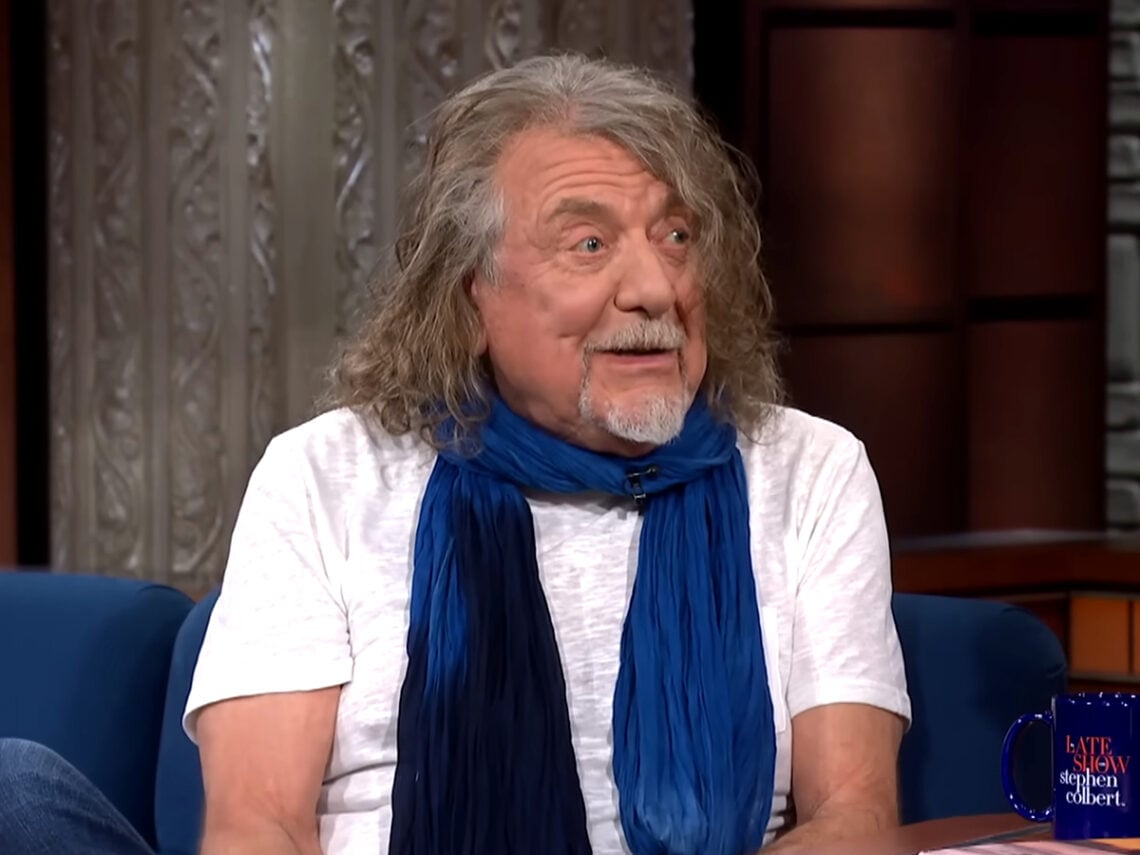
The 2007 album Robert Plant said was beyond belief: “It was like a fairytale”

Robert Plant didn’t see himself as a one-trick pony whenever he made one of his records.
There are bound to be some people who see him as one of the best frontmen of all time for the rest of his life, but the reason why he went in a thousand different directions after Led Zeppelin was that he wasn’t going to live his life as a ‘Golden God’. He wanted to prove that he could do a lot more things, but that didn’t mean that every single one of those experiments worked as well as his masterpieces.
Pictures at Eleven was already a decent start for someone who had been aching for anything vaguely related to Zeppelin, but the rest of the 1980s saw Plant trying out anything and everything that would work. He was never afraid of working in new styles, but when he started incorporating more electronic pieces into his music and started to sound closer to bands like Talking Heads, it’s not like fans were in love with what they were hearing.
Plant wasn’t about to apologise for following his muse, but there was always going to be a little bit of trepidation after getting back together with Jimmy Page. Page and Plant was a great way of reminding people of what made their partnership so special back in the day, but for someone who had tried to get out of the shadow of Led Zeppelin, having that collaboration be one of his most high-profile projects wasn’t a good sign.
He wanted to be known for how eclectic he could be, and if he wasn’t going to make it as a new wave artist, he could always go back to the acoustic foundation he started with. After all, Page and Plant’s Unledded was supposed to reinterpret some of their biggest songs as more stripped-down affairs, and once Plant found the right people to work on Raising Sand, he felt like he had finally found his way back to his roots.
The Honeydrippers may have been a case of him trying out some soul music, but Allison Krauss brought him back to the days of him performing with The Band of Joy. Even when working in Zeppelin, Plant was still a hippie at the best of times, and getting the chance to work with the true professionals like T Bone Burnett on some of these tracks was the perfect match for his voice.
He had spent years lost in the woods, but he felt that he had gone to heaven after hearing what his new backing band could do, saying, “There were people coming and going, and it was like a fairytale. There’s so much old royalty down there, and I was inspired beyond belief. I was also learning how to do more and more.”
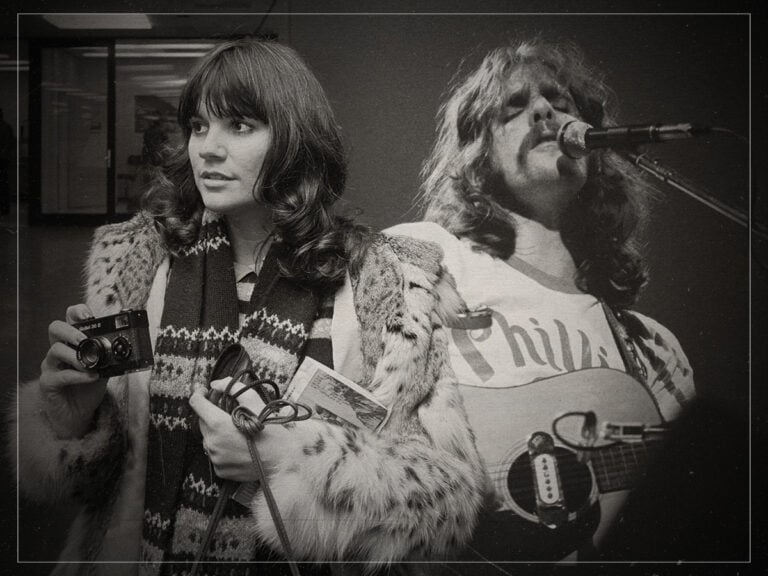
Adding, “I was singing with another voice for the first time, and I had to learn restraint and to sing in this more delicate idiom. I never had that landscape around me to get to sing like that before, and me and Alison Krauss went all around the world.”
Sure, he wasn’t going to be reaching for those same high notes that he did when singing tunes like ‘Friends’ or ‘Babe I’m Gonna Leave You’ back in the day, but this softer version of his voice actually suited him fine. He had earned the right to play around with his usual approach, and even when he reformed Zeppelin for their one show together in 2007, he definitely took a few cues from his new band to help flesh out his voice a bit more.
And while Plant has put the idea of any reunion to bed over the past few years, it’s alright to see him work in this format more these days. Having him belt out ‘Immigrant Song’ at this stage in his life just isn’t fair, and getting to hear him play a song like ‘Gone Gone Gone’ and maybe throw in ‘Gallows Pole’ once or twice during a show is a decent way of showing people the legacy that he has these days.

Never Miss A Beat
The Far Out Led Zeppelin Newsletter
All the latest stories about Led Zeppelin from the independent voice of culture.
Straight to your inbox.